Straddling both the modern and the traditional, Bangkok showcases the best of both worlds in sights, sounds, food, and experiences. On Khao San Road, famed for its cheap accommodation and night-time party atmosphere, you’ll see monks, backpackers and pub-goers walking, co-existing, and going about their business. From street vendors to indoor eateries, you’ll experience a cornucopia of tastes that make Thai food one of the most relished and celebrated in the world.
Whether it’s your first time to visit Bangkok or your ninth, there’s always something to discover and re-discover in the Big Mango. Here are some of the highly recommended neighborhoods to explore in Bangkok:
Ratanakosin
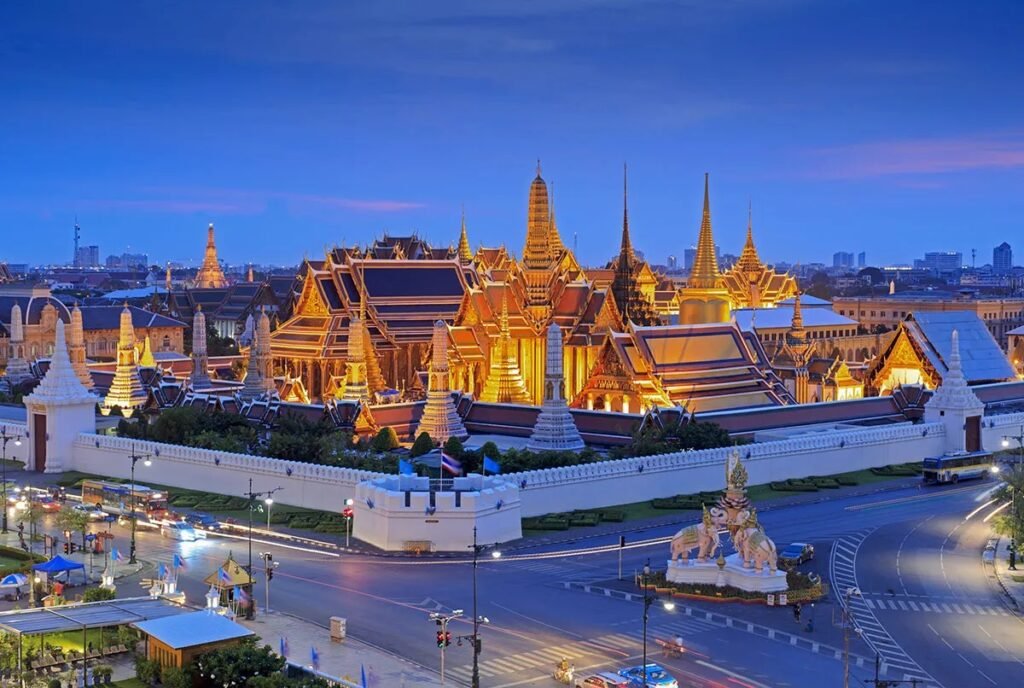
Ratanakosin is located between Phra Pinklo Bridge and Peace Bridge on the eastern side of the Chao Phraya River. The walled Royal City, where the Royal Palace and Wat Phra Kaeo are located, was established by King Rama I in 1782 and is the center of ancient Bangkok. With painted sculptures, gold-leafed structures and roofs, and fascinating, opulent interiors, more than a hundred temples, monks’ quarters, and ceremonial halls vie for your attention once you enter. Numerous Buddha statues silently observe the hordes of tourists, prayer flags flutter in the sporadic air, and orange-robed monks weave their way between temples.
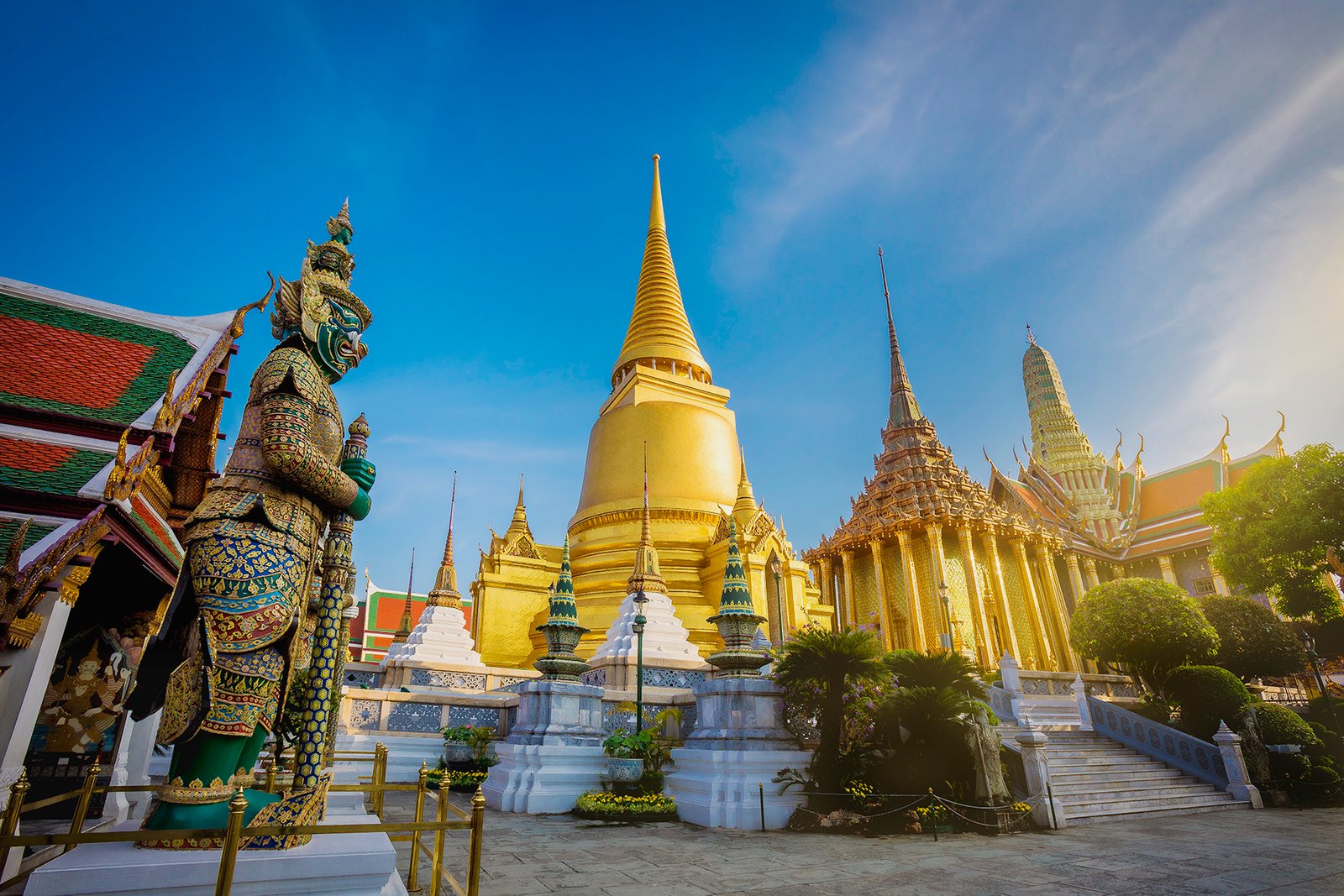
The majority of the Royal Palace remains off limits to the general public even though the monarch no longer dwells here. Only the inner palace courtyard and a few reception rooms are accessible. These latter ones are big, spacious chambers adorned with paintings, mosaics, and statues. The palace is magnificently lighted at night, with golden light emanating from its towers and roofs.
The name Wat Phra Kaeo translates to “Temple of the Emerald Buddha. The statue of the Buddha, which stands just a few feet tall and is dressed in seasonal ceremonial garments, perches far above worshipers. This temple is reputed to be Thailand’s holiest. The grounds are large, and almost all of the structures are accessible to tourists.
In the wats, shorts and open-toed footwear are not permitted, and shoes must be taken off before visiting temples. While some wats, such as the Temple of the Emerald Buddha, permit cameras, others do not. Never accept tuk-tuk drivers who claim that the Royal City or Wat Pho are closed. Untrustworthy drivers sometimes receive rewards for bringing their clients to expensive tourist traps instead.
Chinatown
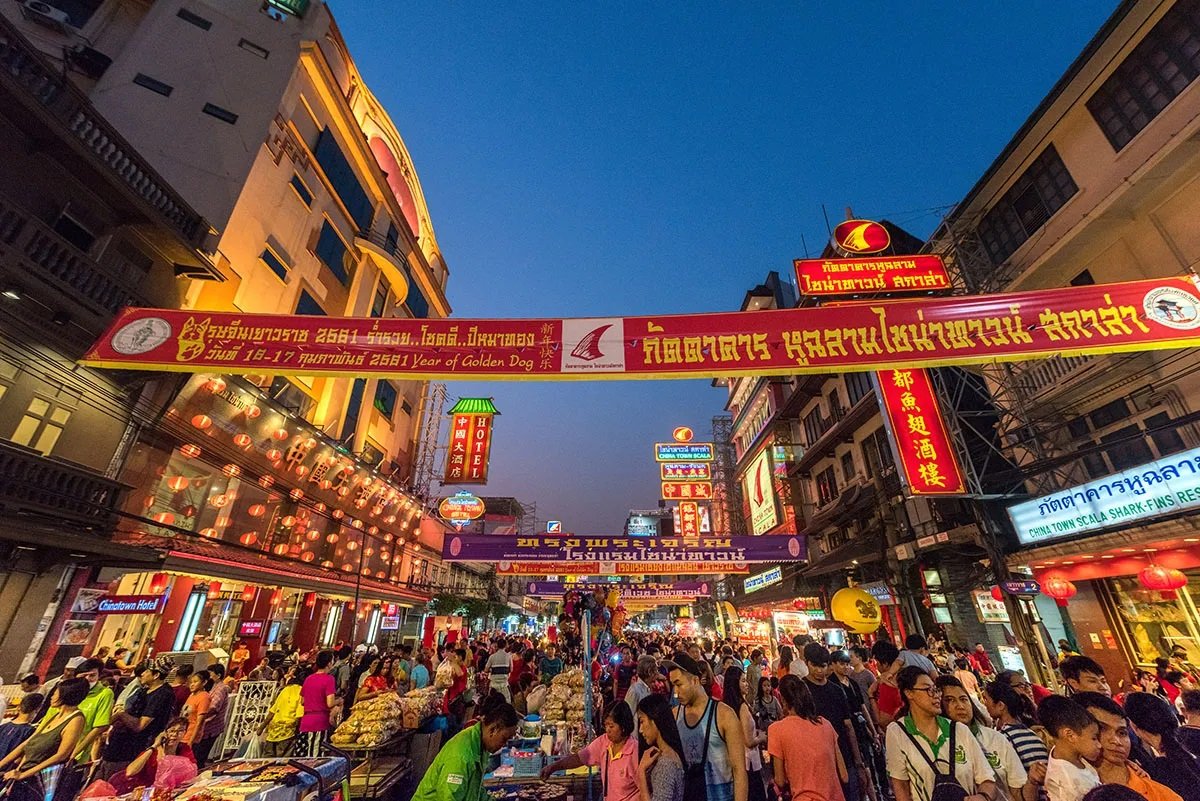
Sampeng Lane used to be a lane of vice with close proximity to opium dens, gambling dens, and brothels. It is currently one of Bangkok’s busiest pedestrian markets. The “thieves market” is nearby, where stolen items were once offered for sale from gloomy entranceways and alleyways. Most theft today takes the form of counterfeit CDs and DVDs. Assumably obtained lawfully, there are also merchants offering a range of commodities.
As part of his aim to modernize and Westernize Bangkok in the mid-1800s, King Mongkut constructed hundreds of timber shophouses with shops on the ground level and the families of shop owners living above. At the base of Ratchawong, Songwat Road has a few remaining instances of them.
After dusk, Chinatown is all about the food. Many young Thais go to Chinatown for late-night supper or snacks after the bars and clubs close. Up into the wee hours of the morning, chefs labor at breakneck pace, producing bowls of pho and tom yam soup, skewers of fried chicken and pig, and a variety of other unique foods. If you’re having trouble deciding what to eat, just check for the dishes with the longest wait times and get in line.
Patpong
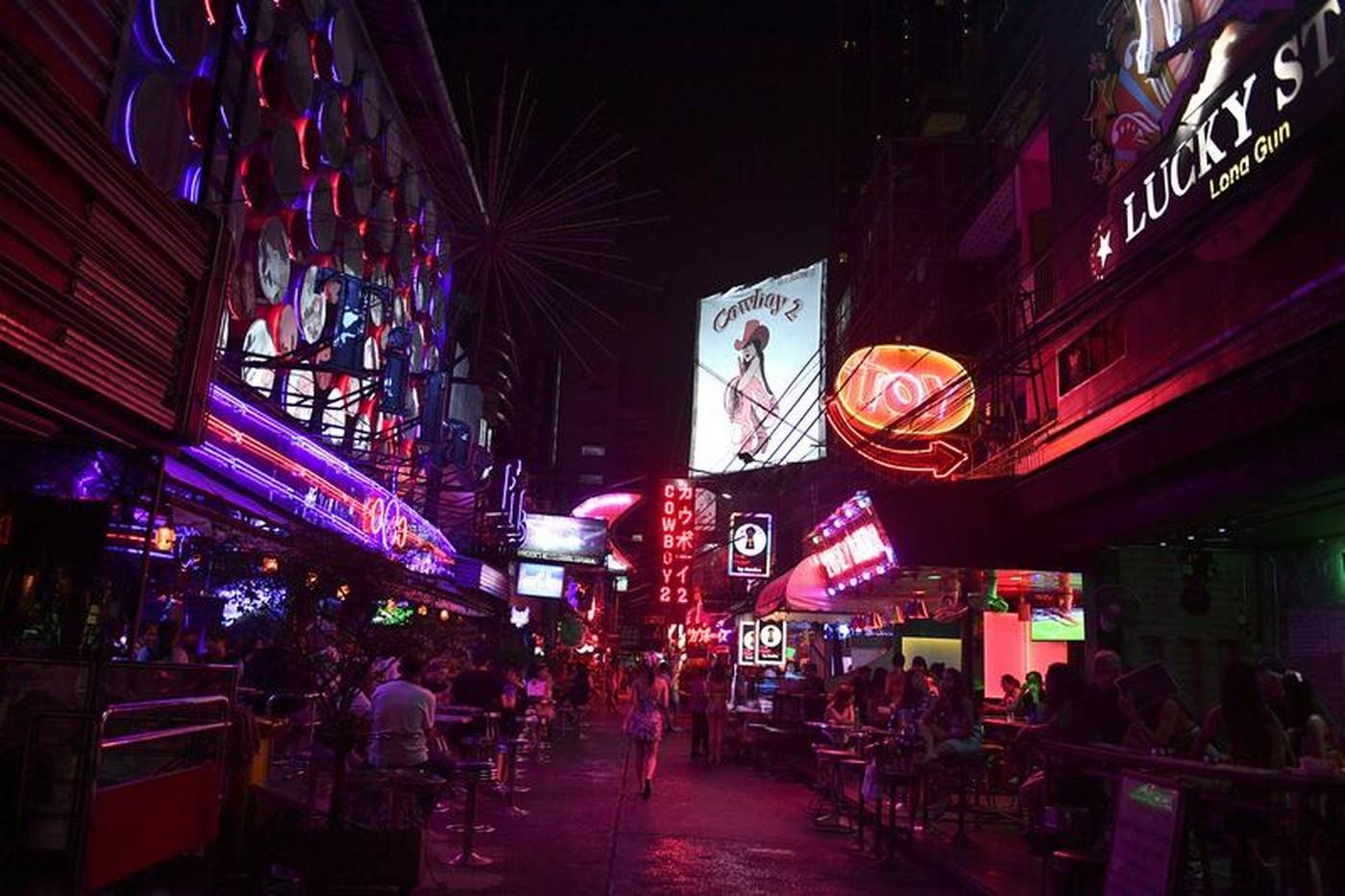
Patpong almost literally has two personalities. Right in the middle of the street is a street market that sells fake Rolex and Gucci accessories. But the notorious and storied center of Bangkok’s sex business is located on each side of the street market. Although there are several other red light districts in the city (the two biggest being Soi Cowboy and Nana Plaza), Patpong is the one that attracts the most tourists and is perhaps the second-best-known red light district in the world after Amsterdam’s. In the late 1960s and early 1970s, when GIs fighting in Vietnam started coming to Bangkok for “R&R” (rest and relaxation), which earned the neighborhood its salacious reputation. Even if it’s a little more restricted today, you won’t have ever seen anything like it.
Even if you have no interest in engaging in its vices, Patpong is worth a visit merely to see it in action. It has a more joyous than sly feel to it. Huge neon signs advertising clubs with provocative titles that are clear indications of what they do light up the roadway like Times Square. Numerous “go-go” bars are lined up on both sides of the streets, and bar ladies and touts do their best to get patrons in. The place has a carnival-like vibe, and the so-called sex performances have more freaky than sexual substance.
There are go-go bars that cater to homosexual males, and the straight female sex tourism business is also expanding in this area. Bangkok culture is open to gays, transvestites, and transsexuals, and some of the go-go clubs include katoey (“ladyboy”) transgender and transsexual dancers and staff.
Additionally, Patpong offers more typical taverns and eateries, some of which have live music. A excellent location to rest your feet and take in the parade of oddities going by are bars with sidewalk seating. The majority of the go-go dancers and bar ladies are from Northeast Thailand’s rural Isaan region, and many Patpong food vendors cater to their local tastes. If you’re feeling daring, try some papaya or meat salad, crispy frog, or a variety of spicy fried grasshoppers and insects.
Thonburi
Thonburi served as the nation’s capital from 1757—when the former city of Ayuthaya was overrun by the Burmese—until 1782, when King Rama I moved to the eastern bank of the Chao Phraya and began construction of his Royal City. Thonburi’s tranquil canals, waterside stilt houses, and little villages—all relics of a Bangkok that has otherwise vanished—are today’s main draws, in addition to the imposing Wat Arun.
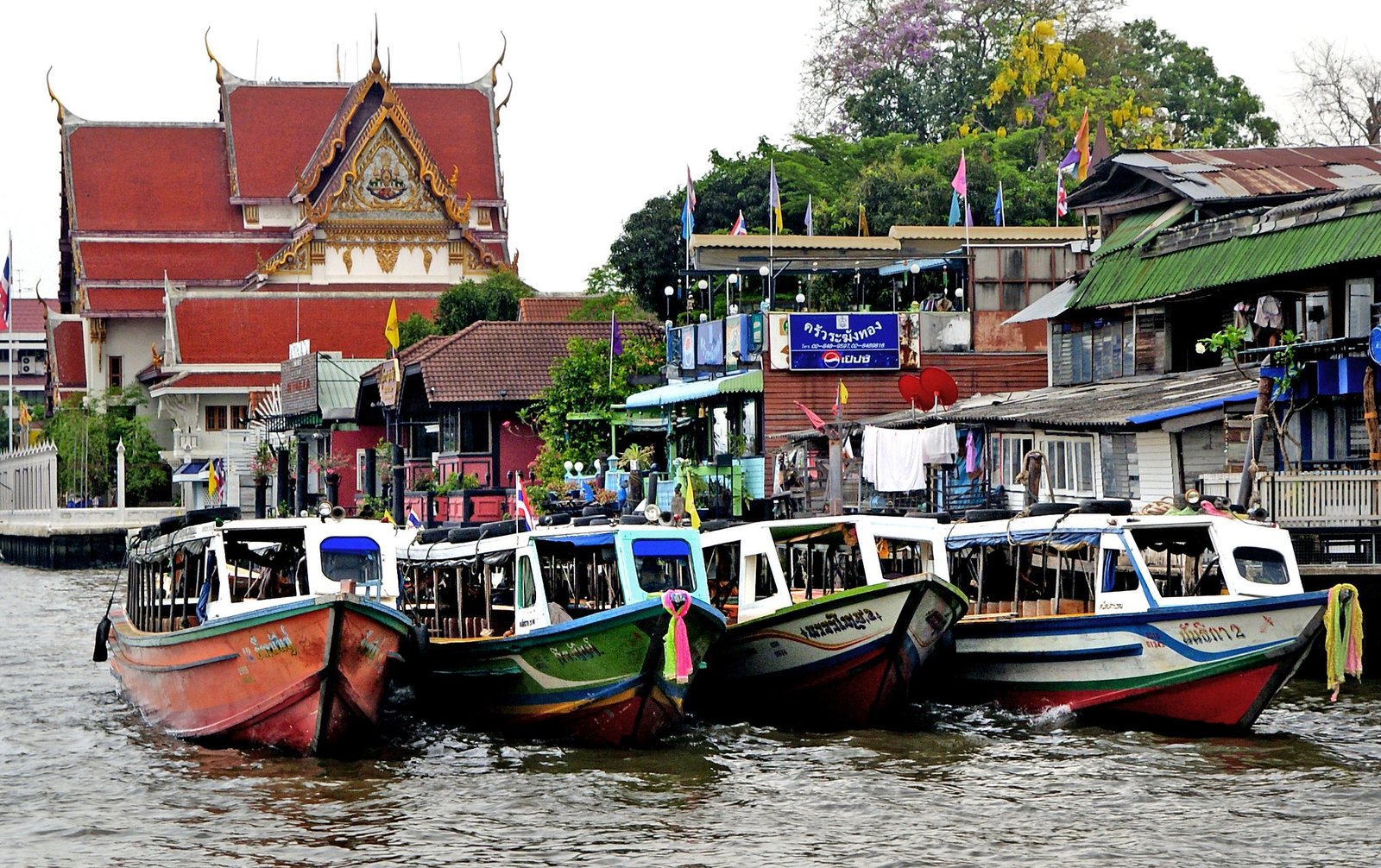
The quickest and easiest method to go to Thonburi, which is located directly across the river from the Royal City, is by boat. A majority of the piers are visited by the Chao Phraya River Express boats as they go up and down the river. Smaller than express boats, cross-river ferries often travel back and forth between two piers. Before boarding, a one-way ticket must be purchased at the dock for a few baht. If you’re not sure which is which, simply keep an eye out for a boat crossing the river directly.
An enduring image of Bangkok is the looming silhouette of Wat Arun against the setting sun. Its distinctive architectural design is also known as the Temple of Dawn and is quite similar to Khmer (Cambodian) temples. You may get a general picture of what the enormous Angkor Wat in Cambodia looked like 1,000 years ago by looking at Wat Arun. A tower in the center rises to a height of around 75 meters (250 ft). The topmost terrace may be reached by four narrow, steep stairs. If you look closely, you’ll notice that the tower’s walls are covered in numerous fragments of shattered Chinese crockery, which cause the tower to shimmer in the sunshine. Additional ornamental features include elaborate friezes and alcoves with statues of mythical creatures.
Thonburi has been partially spared from the expansion and development of the rest of Bangkok thanks to its brief glory as a capital city. Although it is gradually getting more populated and developed, there are still numerous areas where nothing has changed in terms of daily living over the previous 200 years. To get a sense of the old Bangkok, where stilt homes and little canalside villages still exist alongside skyscrapers and traffic, rent a long-tailed boat for a tour through Thonburi’s quaint and narrow canals.