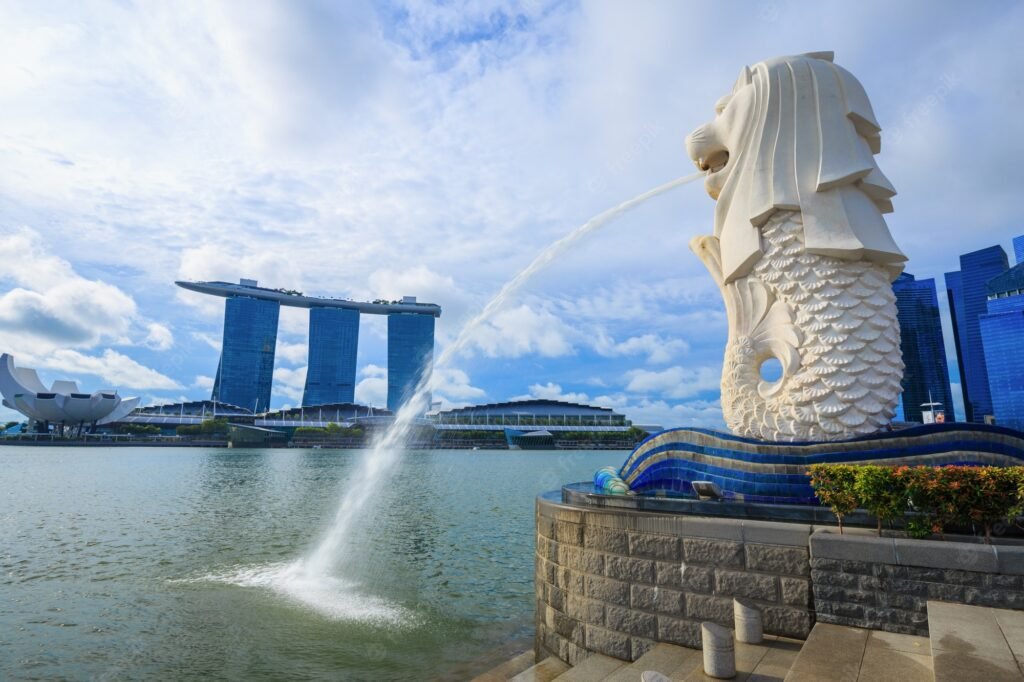
Singapore, one of the few city-states in the world, is an island, a city, and a country with five million people crammed onto a landmass of barely more than 700 square kilometers (275 square miles), or roughly half the size of Los Angeles. Singapore is an island, a city, and a country that represents one of the most densely packed nations on earth. Additionally, it is among the most ethnically and culturally varied Asian cities in existence due to its history as a colonial trade port. Within the constraints of one small island and its 63 neighboring islands, all of these elements work together to produce a number of little neighborhoods.
The city’s distinctive collection of neighborhoods, which range from the vibrant bazaars of Little India to the delicious eateries of Chinatown, have largely been influenced by Singapore’s diverse population of Chinese, Indians, indigenous Malays, and Eurasian groups, while the city’s history of trade and economic prowess has led to the rise of its central financial districts.
Central Business District
The Central Business District (CBD), which is situated in the southernmost point of Singapore, makes sense as the principal financial hub of the city. The many high-rise buildings that give Singapore its characteristic skyline are grouped together in this area and more than simply a homage to the city’s economic mobility, which has enabled it to become a global financial power.
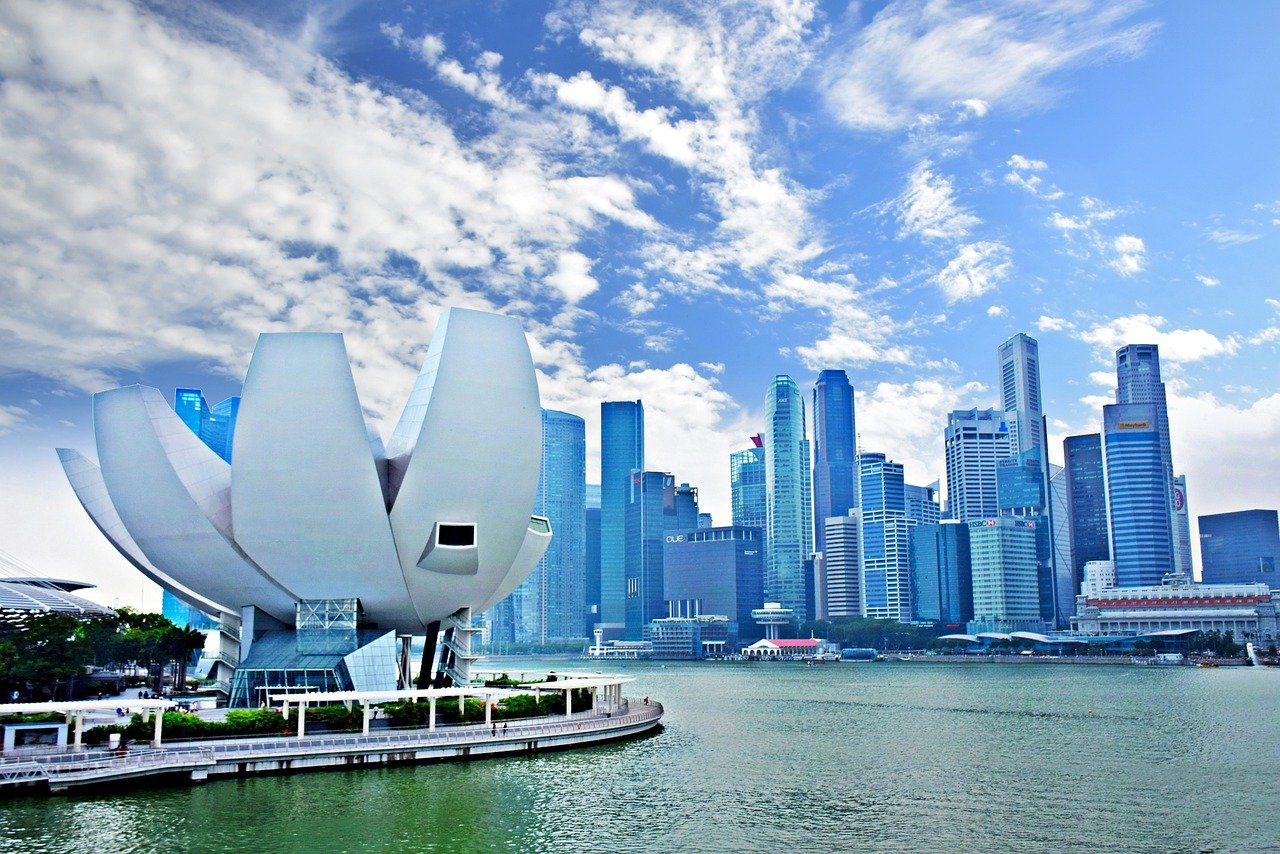
The CBD is filled with power suits and mobile gadgets nowadays, but it used to be Singapore’s real commercial hub, therefore there are also a number of historical sites to see. The well-known Raffles Hotel is the first and foremost; it is located only over the Singapore River. It is one of the first structures built in Singapore and is named for the city-founder. state’s It is a wonderful representation of Singapore’s colonial past. Another green hill nearby is Fort Canning Park, and to the north lies the National Museum of Singapore. To the east is the Singapore Art Museum.
The open plazas of the Esplanade, which are located south of the Raffles Hotel, offer a fantastic vantage point of the downtown skyscrapers as well as an opportunity to ride the towering Singapore Flyer, one of the largest Ferris wheels in the world. Back across the river, Marina City Park is a lovely open area where you can unwind and take in views of the city and the water.
Chinatown
The Chinese make up the majority of the population of Singapore, and many of them are descendants of early immigrants who came to work in the commercial port in the 1800s. Lunar New Year and other city-wide celebrations honor the city’s Chinese ancestry and culture. Chinatown, which is located directly north of the CBD, has events all year round.
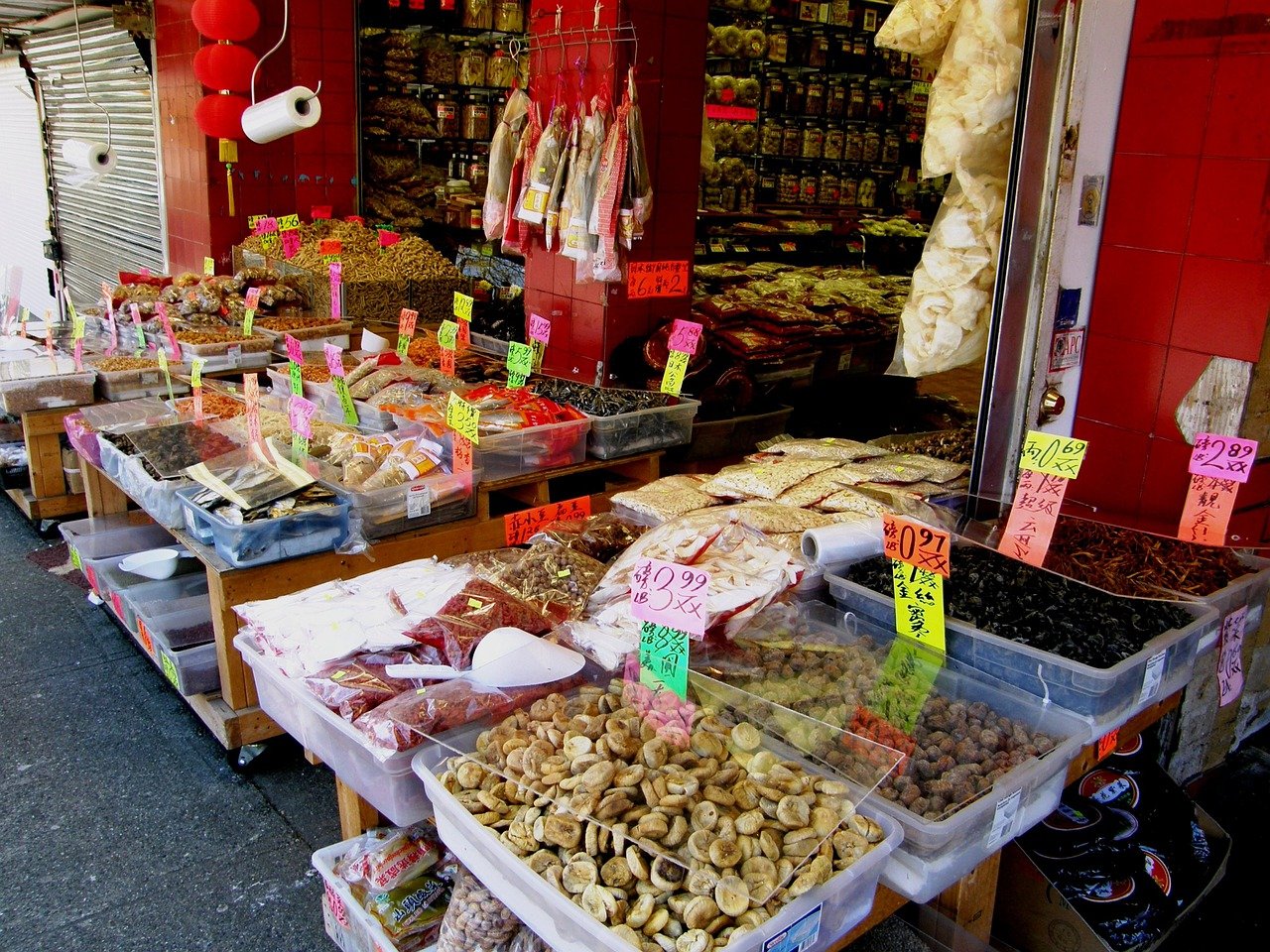
Chinatown is known for its assortment of little boutiques and eateries that serve great stir-fried food and sell antiques and trinkets. Visitors would do well to check out the Chinatown Food Street and the Chinatown Night Market for both, since Chinatown makes for a fantastic shopping and dining destination.
Little India
In the past, there were numerous Tamil residents in this concentrated district in Singapore, which is located to the east of the river and Chinatown. Little India got its moniker because of the abundance of Indian restaurants, stores, and temples that are still around today. Little India, like Chinatown, is an intriguing area of Singapore’s varied population, even if many members of the Tamil community no longer reside only here.
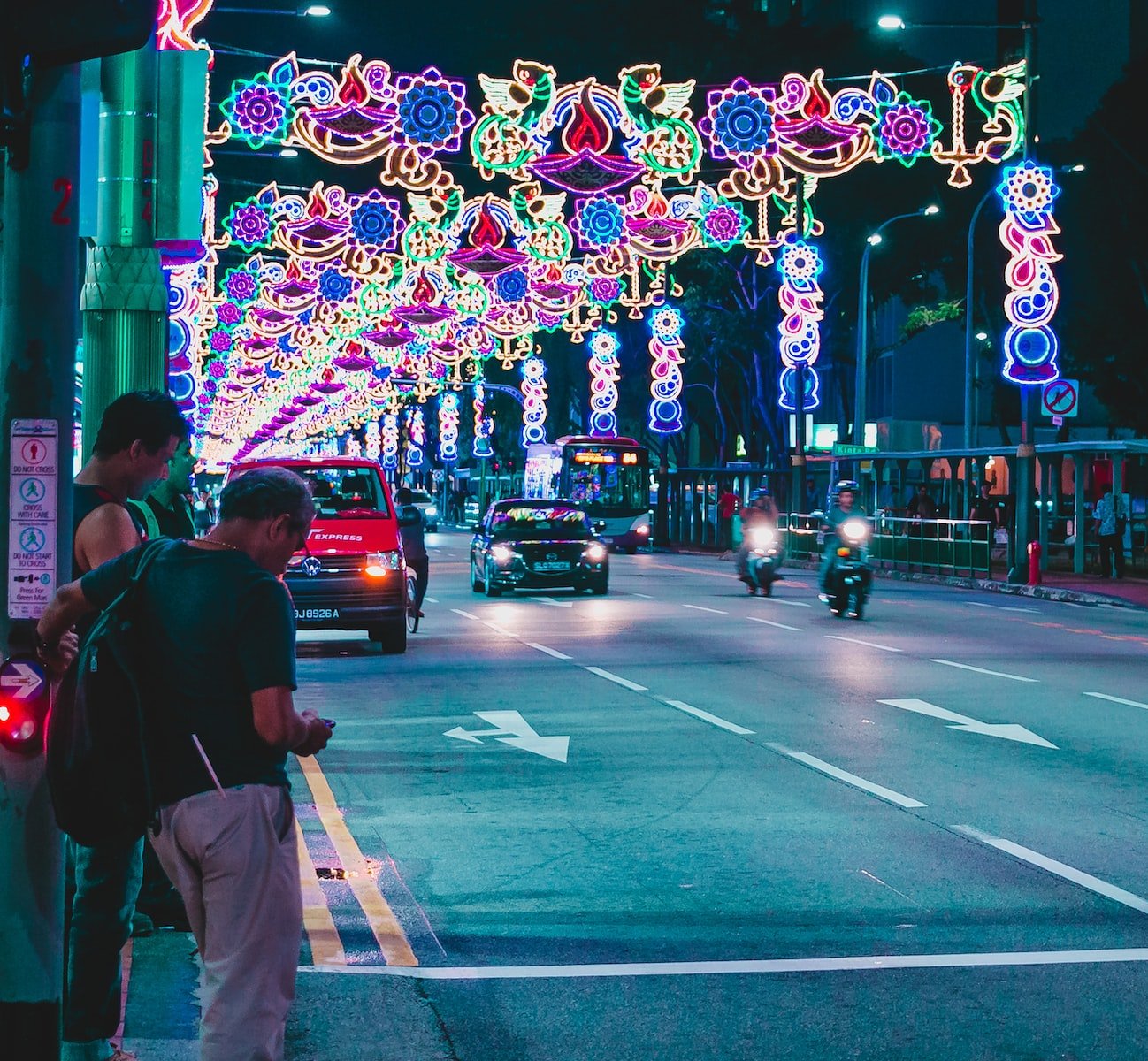
The two desirable activities in Little India are shopping and dining; there, a variety of tiny shops and eateries make it easy to locate a delicious, spicy curry or a pair of jeweled shoes. Numerous temples may be found nearby, including the Hindu Sri Veeramakaliamman Temple, which is devoted to the vengeful goddess Kali and is distinguished by colorful figures that line the exterior of the pyramid-shaped building.
East Coast
The calm East Coast of Singapore is mostly made up of residential areas, little towns, and lengths of peaceful beach that serve as a lovely getaway from the busy downtown area. The expansive area of Geylang Serai, a vibrant district where many of Singapore’s Malay and Muslim residents reside, stretches east of the river. The peaceful Changi Village, located farther east, was formerly considered a ghost town but has recently undergone redevelopment. It is home to a distinctive hawker center with several food booths and coffee shops.
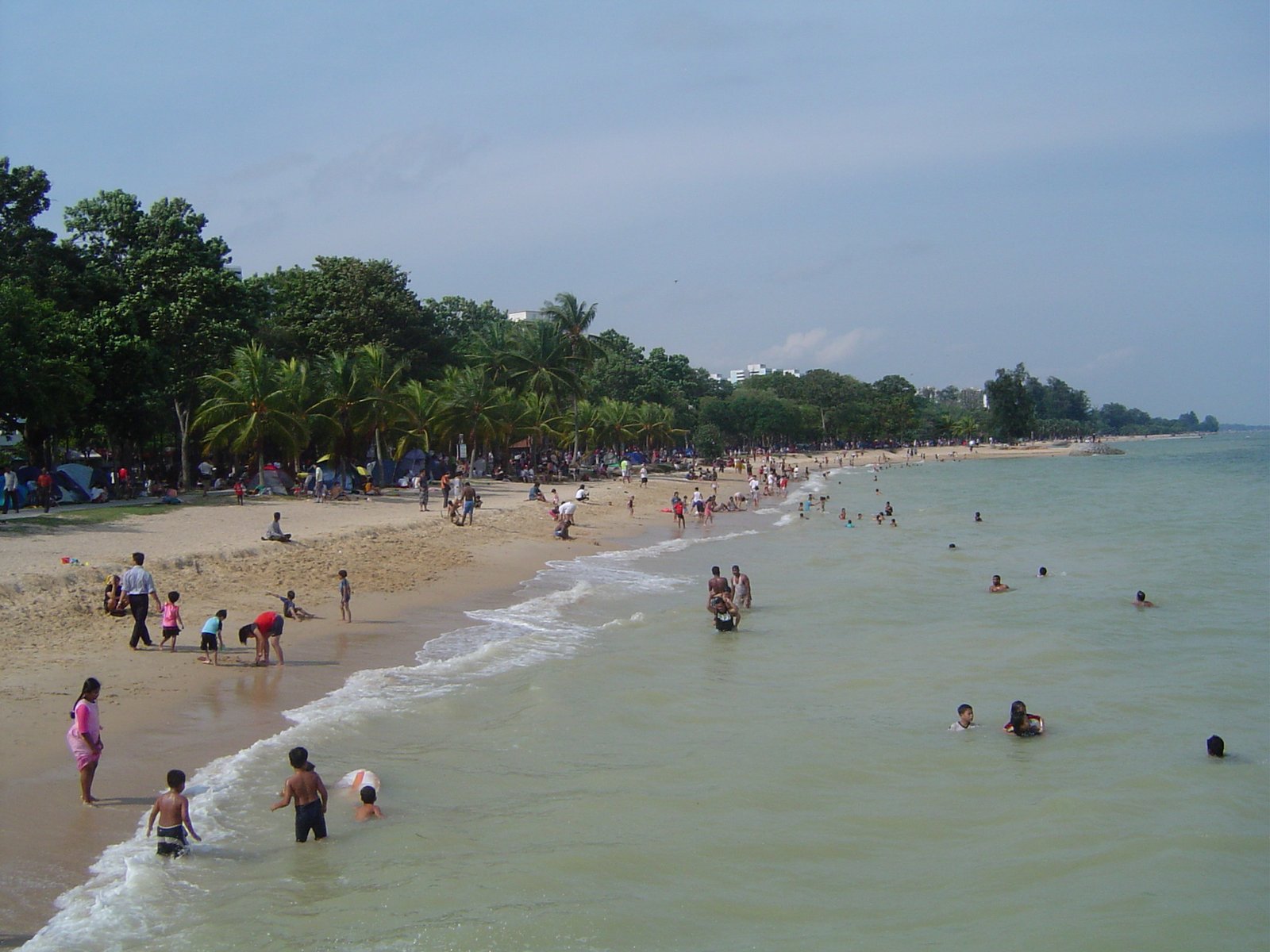
Through a few historical and cultural attractions, the East Coast is an excellent spot to get a feel for what Singaporeans are really like. On the lighter side, the Malay Hamlet is a recreation of a true Malay kampong that provides some insight into life in an early Singaporean village. The Changi Chapel and Museum is a testament to the darker past of Changi, which operated as a POW camp and jail during World War II.
Sentosa Island is too crowded to find the simplicity and serenity that the several beaches along the East Coast’s white sandy stretches like Changi Beach and Punggol provide.
Sentosa Island
Sentosa Island, a nearby islet that has been dubbed the “Disneyland of Singapore,” is home to a multitude of theme parks, water parks, and amusement beaches that are suitable for both family vacations and date nights for adults. Families may spend a day of educational amusement at the Butterfly Park and Insect Kingdom or the Underwater World and Dolphin Lagoon marine park in addition to the perennially popular Universal Studios Singapore theme park. Additionally, Sentosa Island is home to two golf courses and a number of resort hotels that are close to the greatest beaches on the island.
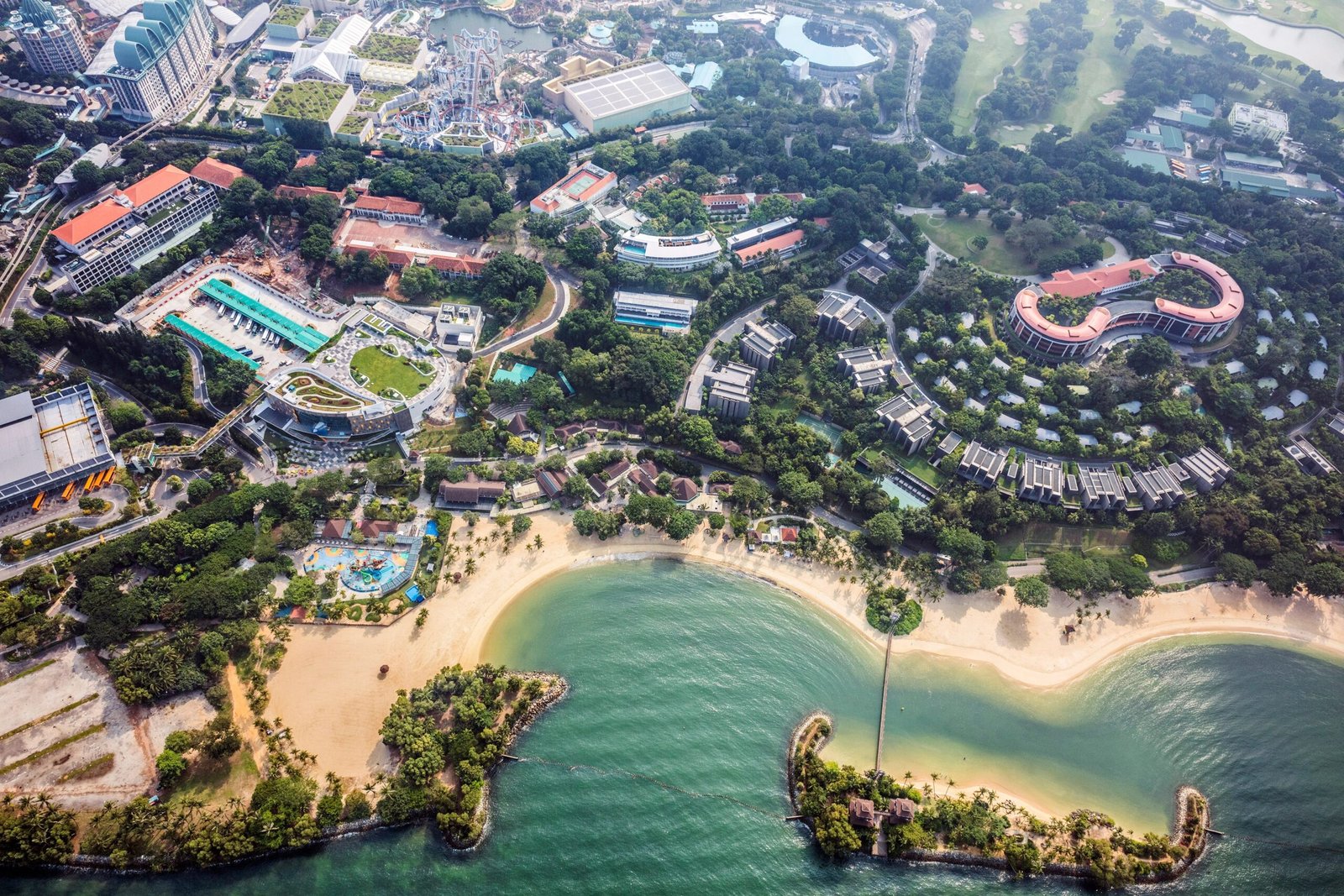
Other thrilling activities can be found all across Sentosa, including a self-steering luge ride, a sizable wave pool, and the MegaZip Adventure Park, which has outdoor pleasures including a zip line, ropes course, and climbing wall.
On Sentosa Island, which was utilized to ward off Japanese maritime attacks during World War II, history fans can also discover something of interest. On the western side of the island, Fort Siloso serves as a memorial to this purpose and is home to watchtowers, artillery batteries, and bunkers that are all accessible for investigation.
Orchard Road
Orchard Road, named after the fruit trees that originally lined it, and the streets that surround it make constitute the city’s fashion focal point if the CBD is Singapore’s financial district. Just northeast of the river, Orchard Road itself extends across Singapore in a long line and is home to a bevy of boutiques, department stores, and shopping centers that would keep any shopaholic occupied for many hours, if not days. The extensive improvements in 2009 that included the installation of gleaming new street lighting, pavement tiles, and enormous floral totem poles that create an upmarket ambiance throughout the whole area added to this commercial mood.
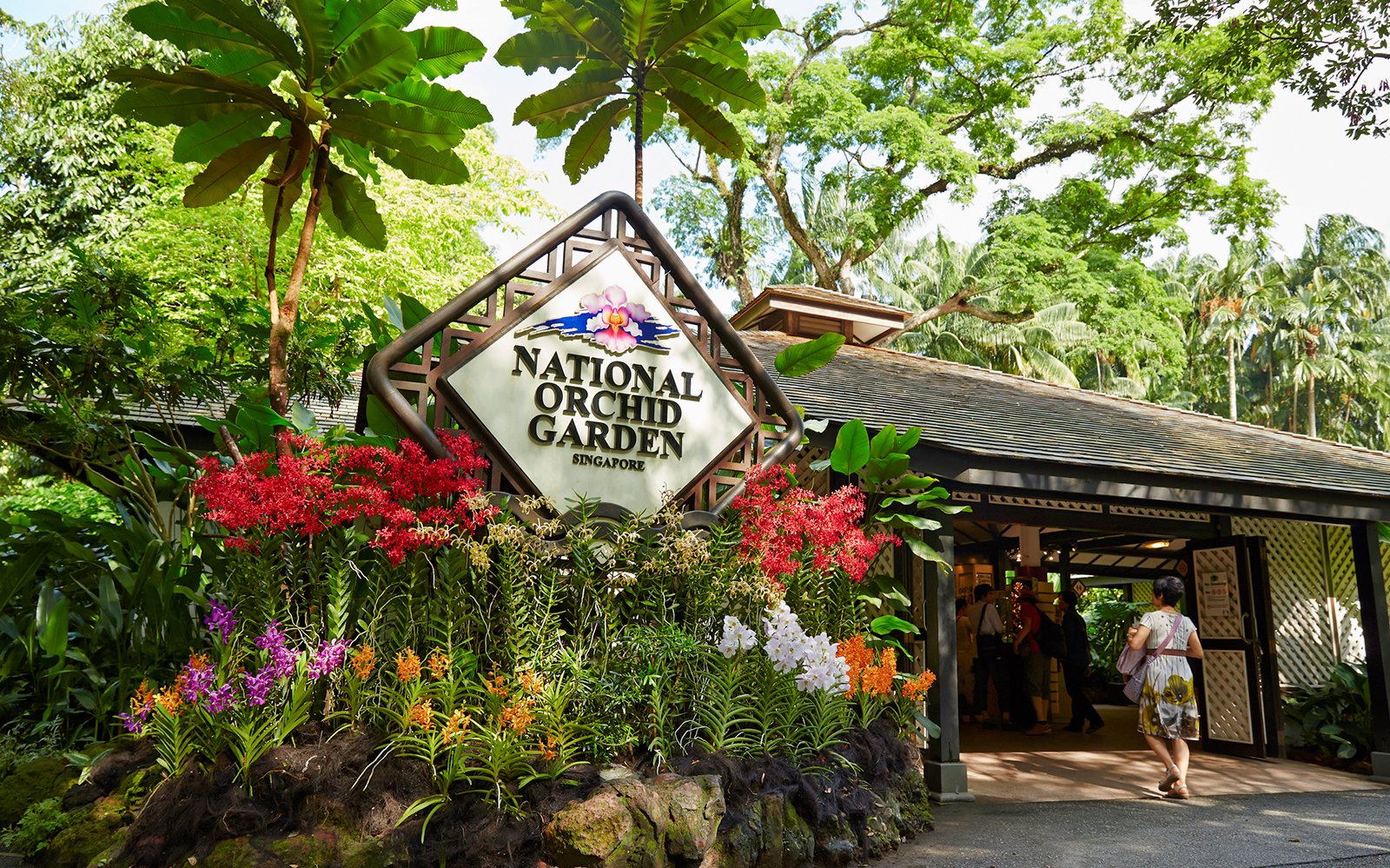
Singapore’s Botanical Garden, a homage to the area’s old lush ambiance, is conveniently located at the extreme northern end of Orchard Road. However, the road itself is more like a dazzling concrete jungle with massive shopping malls lining both sides. These include the opulent DFS Galleria, which is crammed with designer shops like Louis Vuitton, Prada, and Gucci, ION Orchard, and Ngee Ann City, which is the biggest mall in Singapore.
Orchard Road is the city’s physical center of entertainment and nightlife because to its abundance of foreign hotels, eateries, bars, and nightclubs that go beyond merely providing retail therapy.