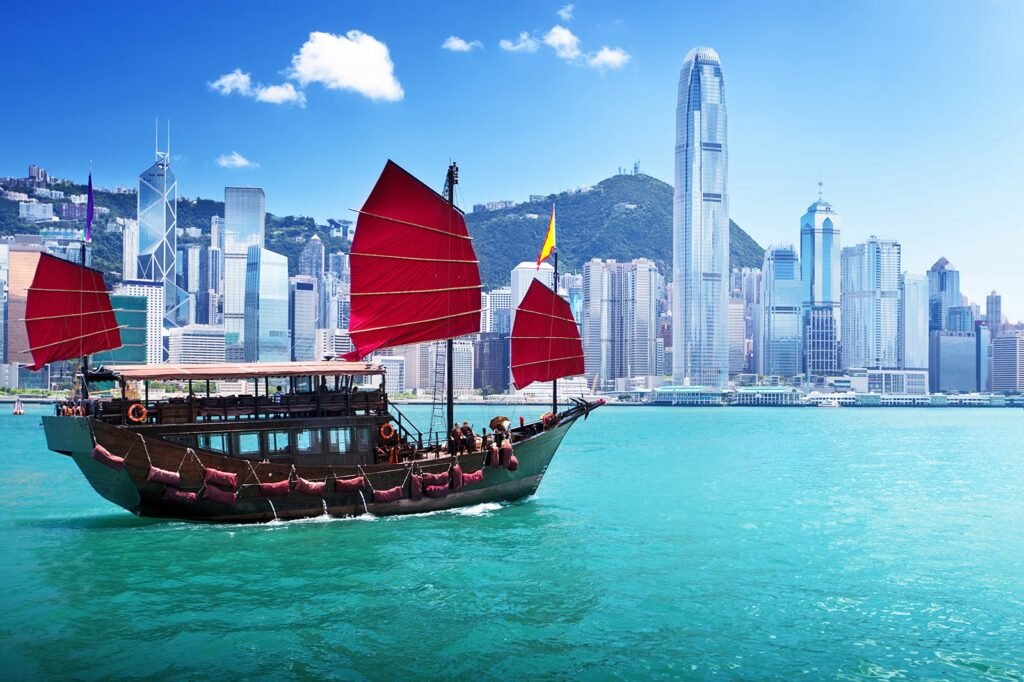
Hong Kong is remarkably modest in size for one of the most populated cities in the world. Hong Kong is a tiny, crowded area made up of a number of islands and a small portion of the southern Chinese Mainland. Major neighborhoods are located on the Kowloon Peninsula, which has a view of Hong Kong Island across the harbor, however the majority of the city is centered on Hong Kong Island itself.
Hong Kong has multiple little neighborhoods, each with a distinctly different personality and vibe, despite, or maybe because of, its congestion. In Hong Kong, it is really symbolically feasible to cross the world in the space of a few blocks by moving from an area with a strong Indian influence to one that is exclusively Chinese.
Both locals and visitors move between the communities using the Mass Transit Railway (MTR), one of the world’s cleanest and most effective subway systems. One line connects to the north and south Kowloon systems and goes east-west along the north of the island at Central and Admiralty stations. The most convenient modes of transportation are trams, taxis, buses, minibuses, and so on.
Kowloon and Tsim Sha Tsu
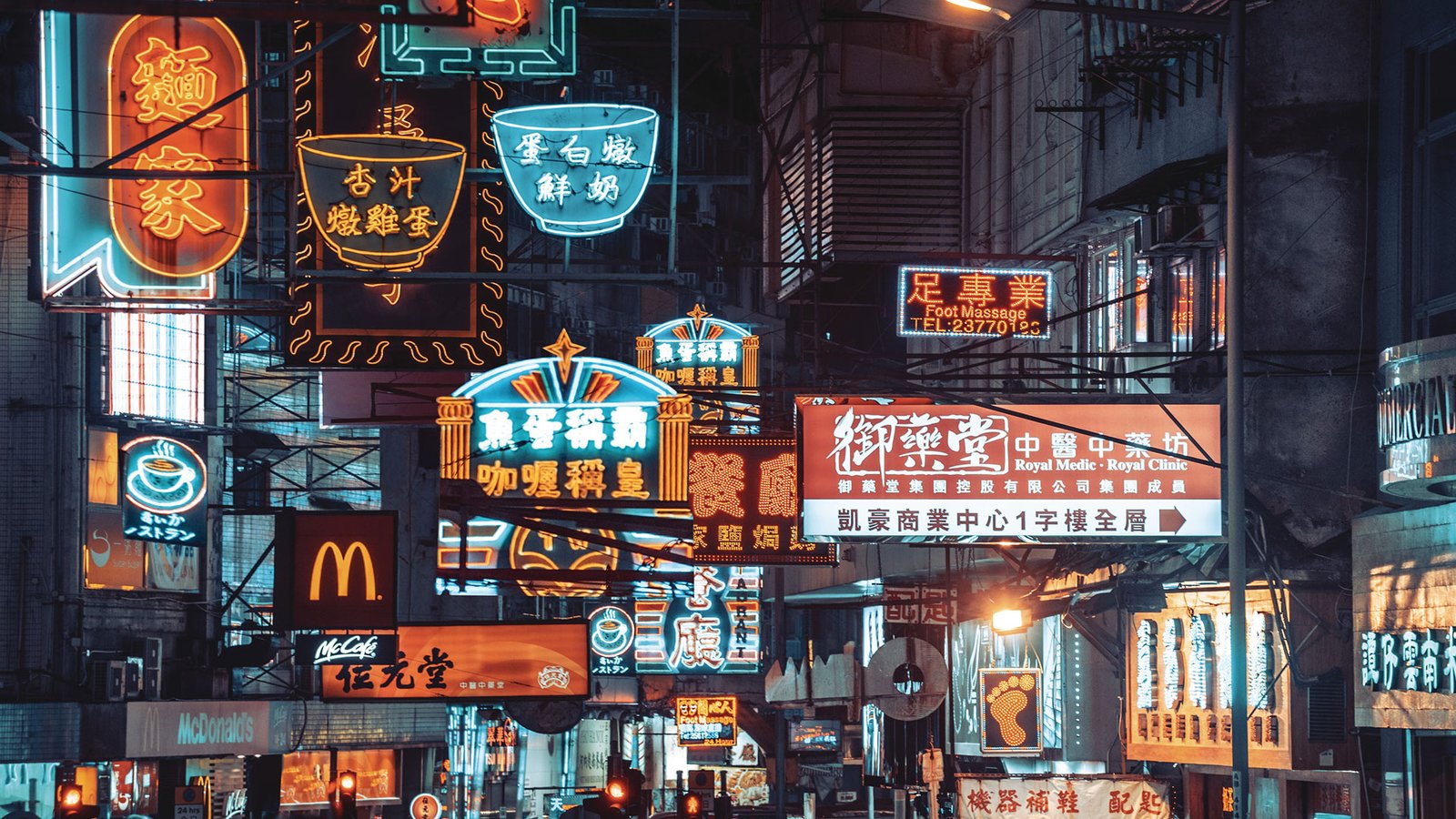
The whole peninsula that stretches from the mainland into the bay and connects Hong Kong with the New Territories and, at one point, China itself is referred to as Kowloon. Kowloon has traditionally been a bit of a rough-and-tumble neighborhood with a distinct concentration of Chinese people who congregate in a busy, fascinating network of marketplaces and streets.
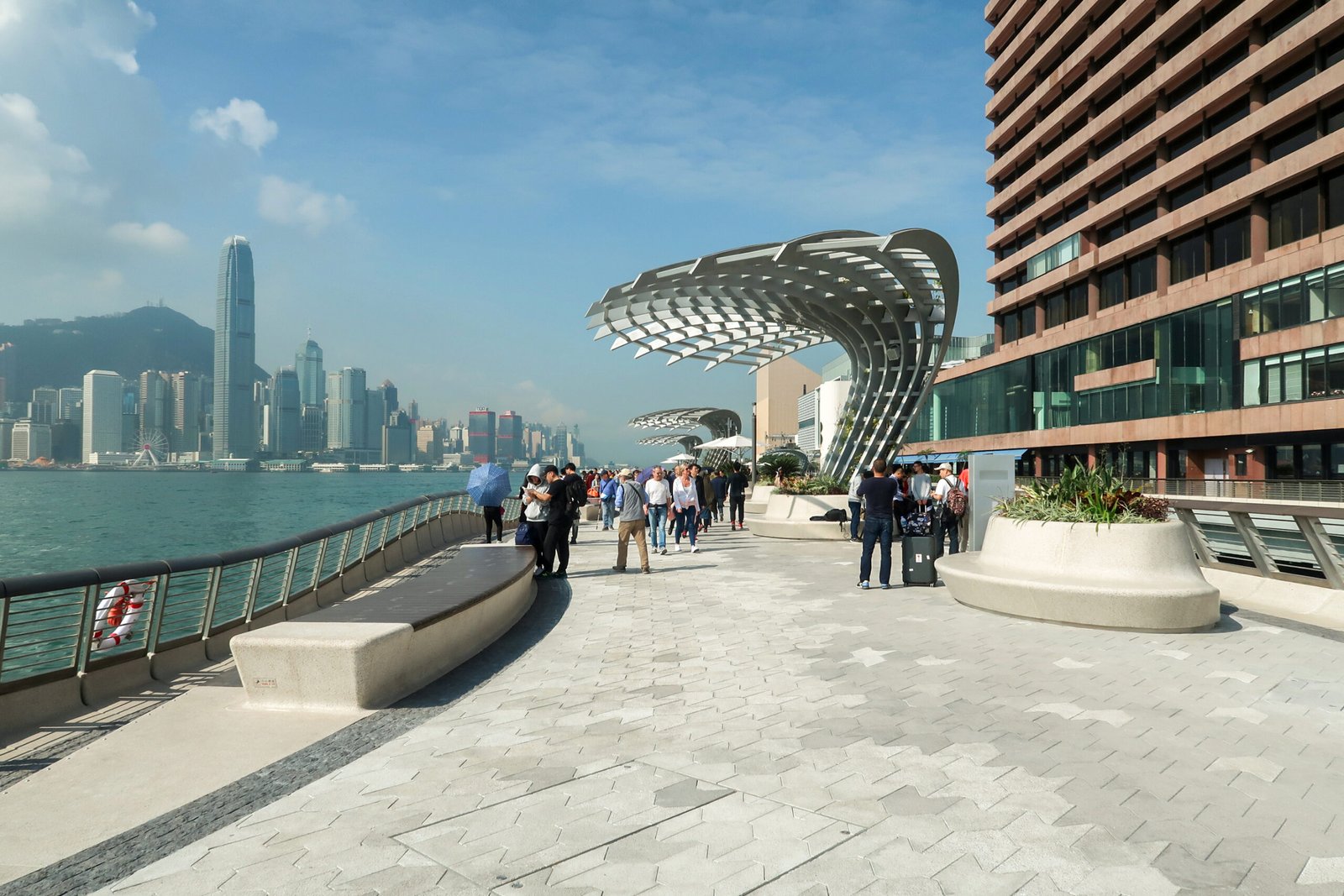
With a great number of hotels, eateries, and retail centers, the district of Tsim Sha Tsui at the tip of the Kowloon Peninsula is presently Hong Kong’s most popular tourist destination. One of Hong Kong’s busiest commercial districts and home to the majority of Indian and Middle Eastern people is Nathan Road, which is notorious for housing hostels, guesthouses, and brothels in a string of run-down high-rise structures.
Mong Kok
Even though Mong Kok is technically a part of Kowloon, it is a unique area that merits particular consideration. Mong Kok, which is brimming with physical and figurative Chinese flair, is the place to go if you’re looking for inexpensive clothes and meals. In Mong Kok, every street is a market with hundreds of merchants that specialize in particular goods. In Mong Kok, there are streets dedicated to tennis shoes, birds, flowers, old books, and gadgets. A few of the roads here also transform into actual markets, with sellers building up temporary stalls and offering a wide range of goods—primarily apparel and jewelry—at incredibly low costs. As a result, haggling is a way of life in Mong Kok.
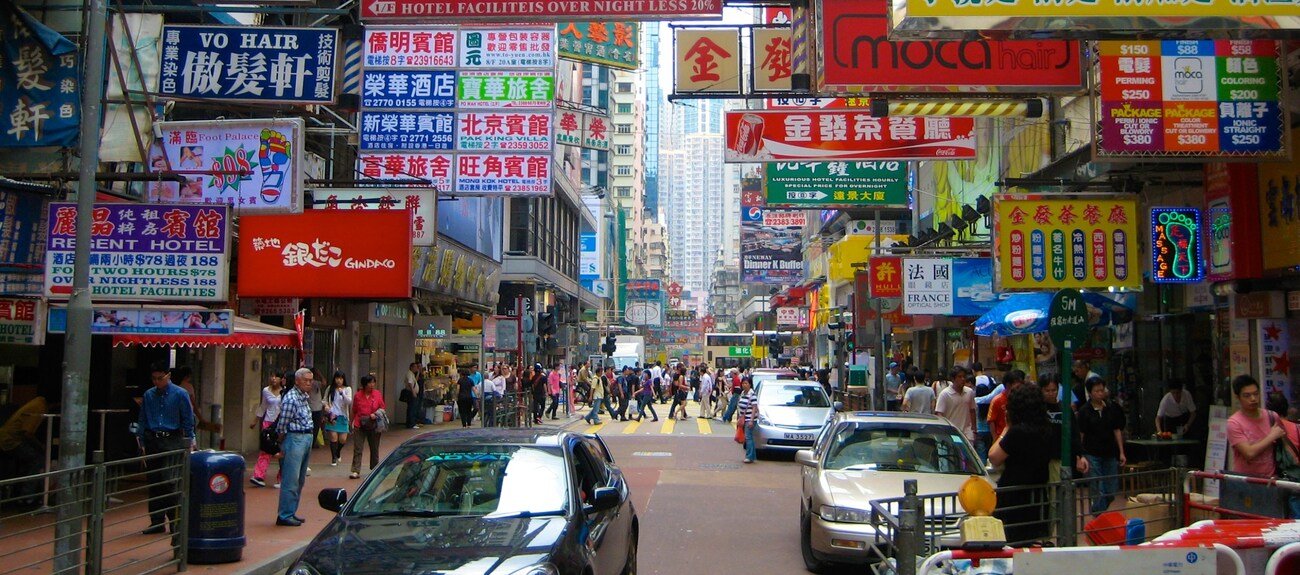
You could do worse than Mong Kok if you’re searching for inexpensive, delectable, and occasionally unique food. It is not unexpected that there are a ton of restaurants and sidewalk booths serving all kinds of bizarre and delectable dishes, from slurpy noodles to strange insects-on-a-stick, given the abundance of nearby merchants and retailers.
Causeway Bay
This vast area of highly developed land is located along the northeastern shore of Hong Kong Island, and if Hong Kong had a Fifth Avenue, it would be located here. Causeway Bay matches Fifth Avenue as one of the most expensive locations in the world thanks to having one of the highest concentrations of shops worldwide, including malls, boutiques, and stores.
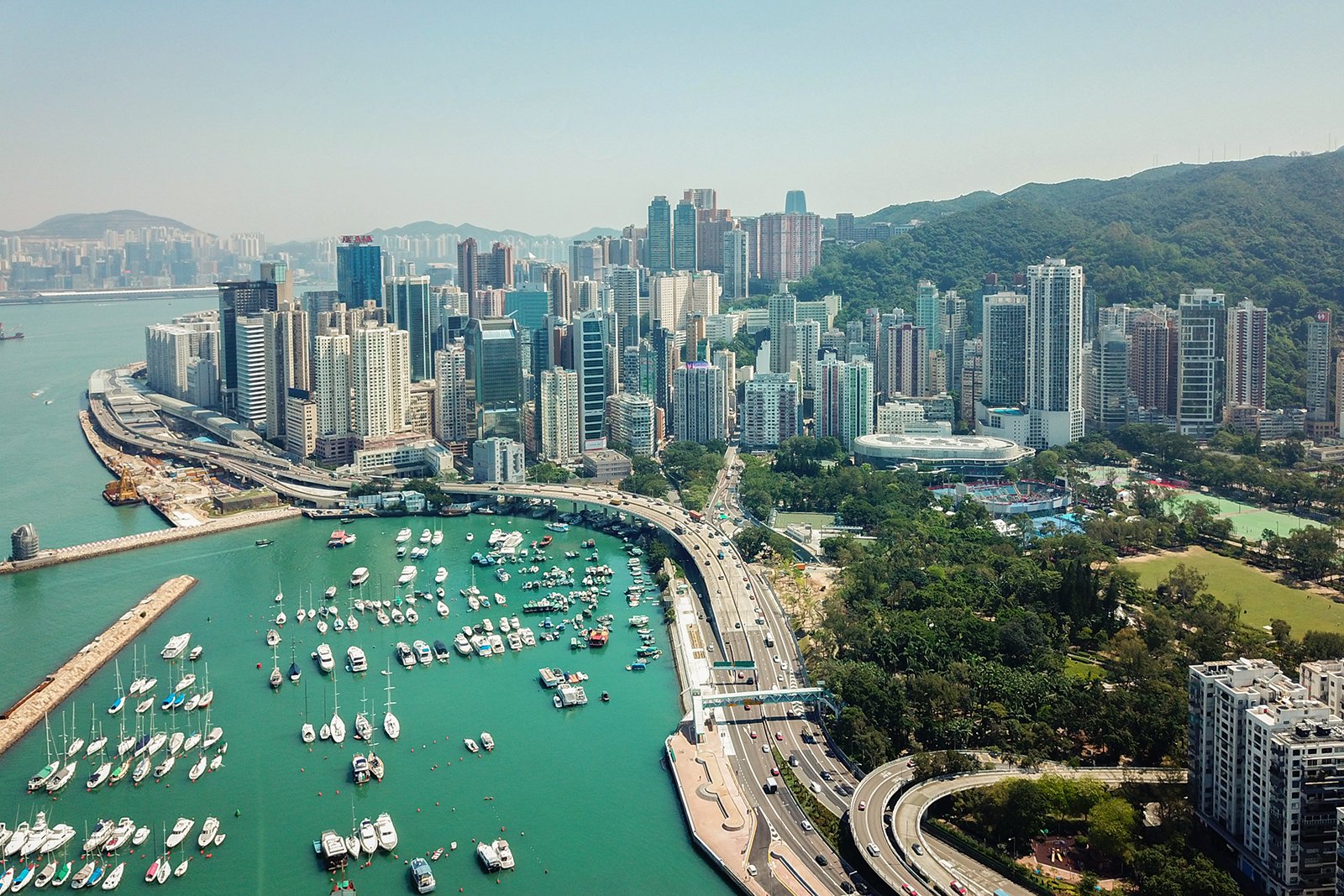
It’s difficult to believe that the lively streets in this area, which are today bursting at the seams with department stores and neon lights, were once completely submerged in water. The area that has been reclaimed is really a section of the bay that was filled with earth and designed in advance as a thriving metropolitan area. Two enormous department stores, Sogo, a 13-story Japanese retail complex, and Times Square, the first “vertical mall” in the world, serve as the area’s anchors.
Soho and the Mid-Levels
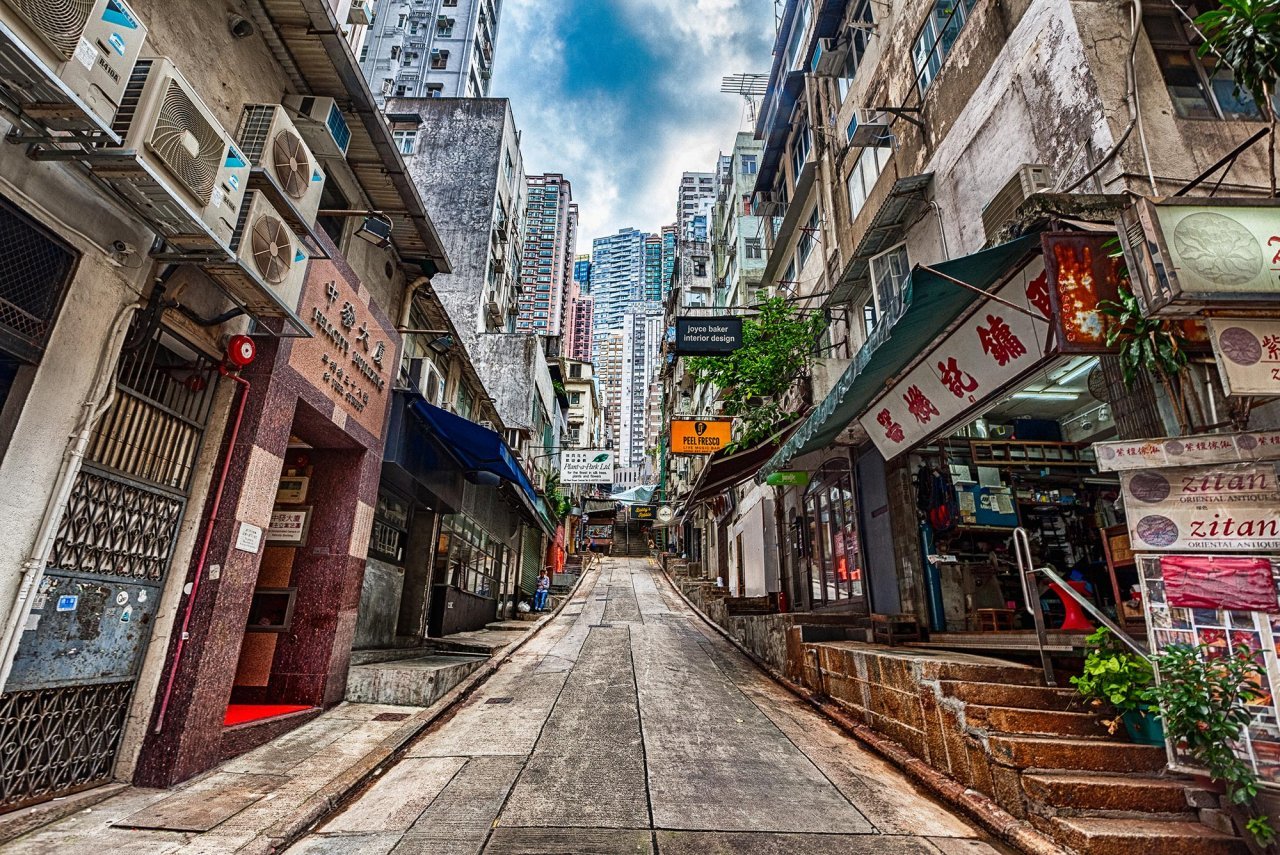
This beautiful district on Hong Kong Island lives up to its eponymous status as a bohemian and fashion hub in London and New York. The Hong Kong version descends from Victoria Peak in a network of little lanes that are overflowing with stylish shops, cafés, and boutiques. Name brands or chain businesses are not to be found here; instead, you will see a magnificent assortment of regional artists, designers, and fashionistas showcasing their outfits while dining at one of the many fantastic, locally owned establishments.
The Mid-Levels rise up Victoria Peak’s rocky slopes. These affluent residential areas produce a skyline full of opulent apartment buildings, many of which are occupied by wealthy Hong Kong traders and yuppie foreigners.
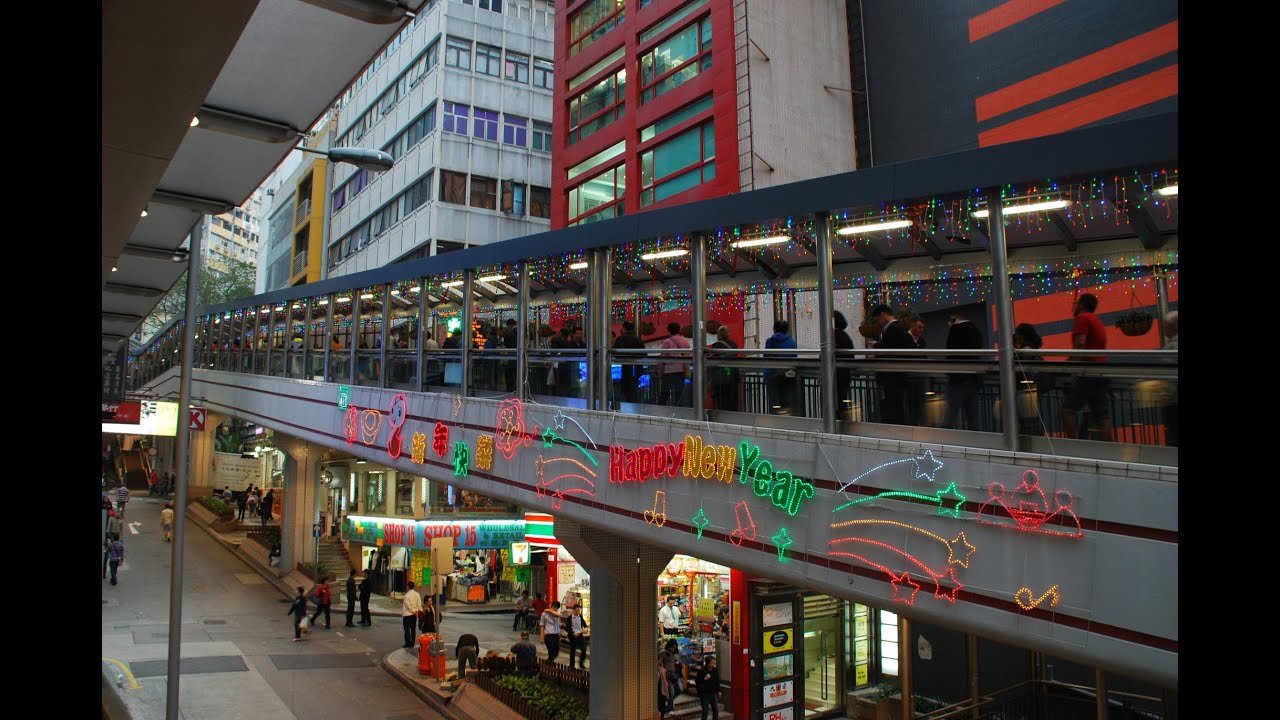
The Central Mid-Levels Escalator, which is considered to be the world’s longest and travels over and through the area’s narrow streets, is the best method to get to Soho and the Mid-Levels and drops down passengers at numerous locations for local access.
Central
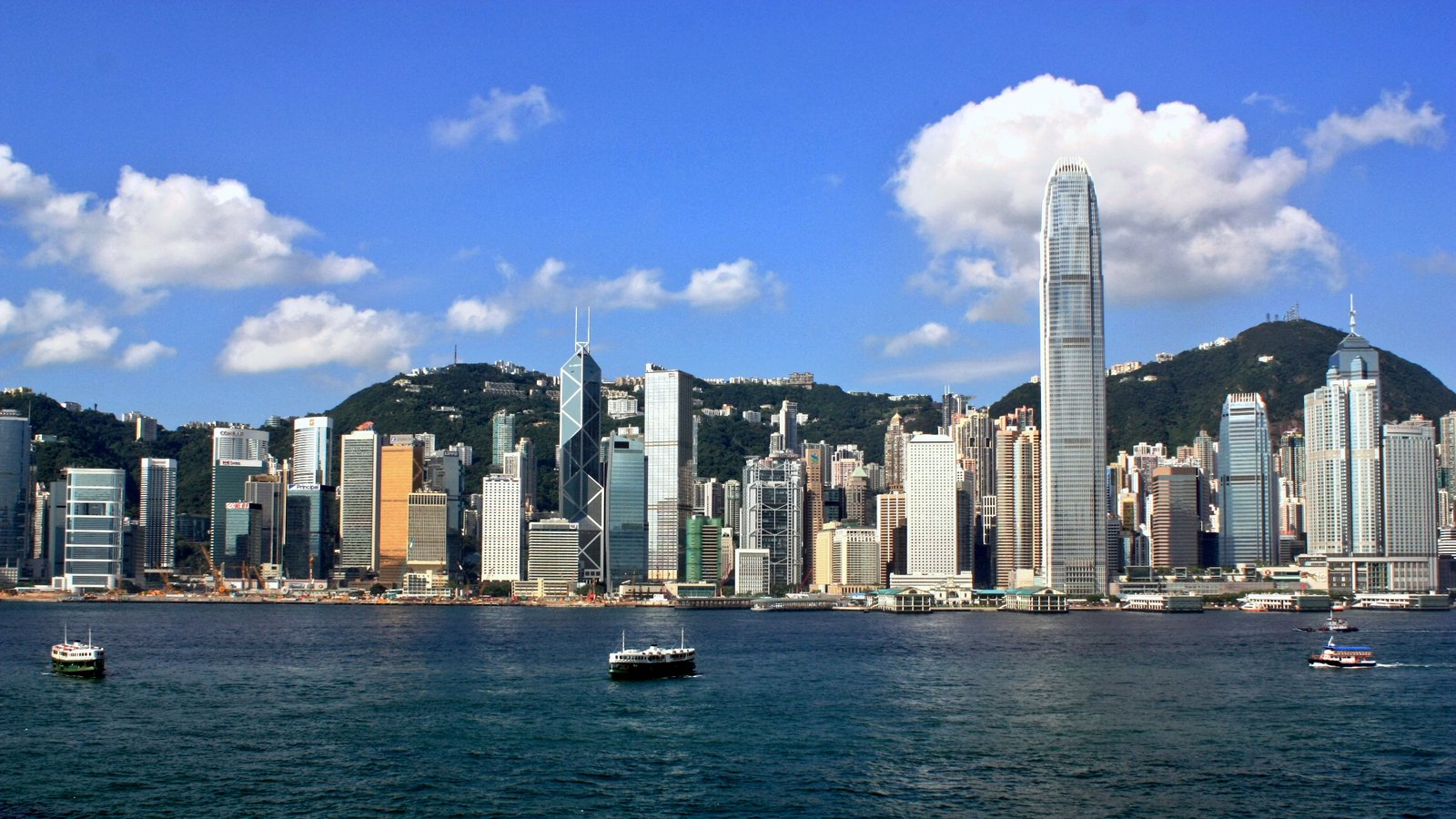
The center of the city’s political and economic activity is Central. Businesspeople throng along the streets and elevated walkways between office buildings at lunch, making the neighborhood a hive of activity. The older residential buildings and side lanes with cobblestone stairs are concealed under and behind glittering skyscrapers as you head south away from the boat station.
Lan Kwai Fong
The central L-shaped street that bends in a sharp downhill slope and lends Lan Kwai Fong its name is the area’s defining characteristic. This is where you should go to locate Hong Kong’s nightlife. The majority of the doorways and alleys on this street and those nearby, especially D’Aguilar and Wyndham, are occupied by a bar, restaurant, pub, or nightclub. These establishments come in a variety of sizes and forms, from low-key European-style pubs to raucous Chinese discos.
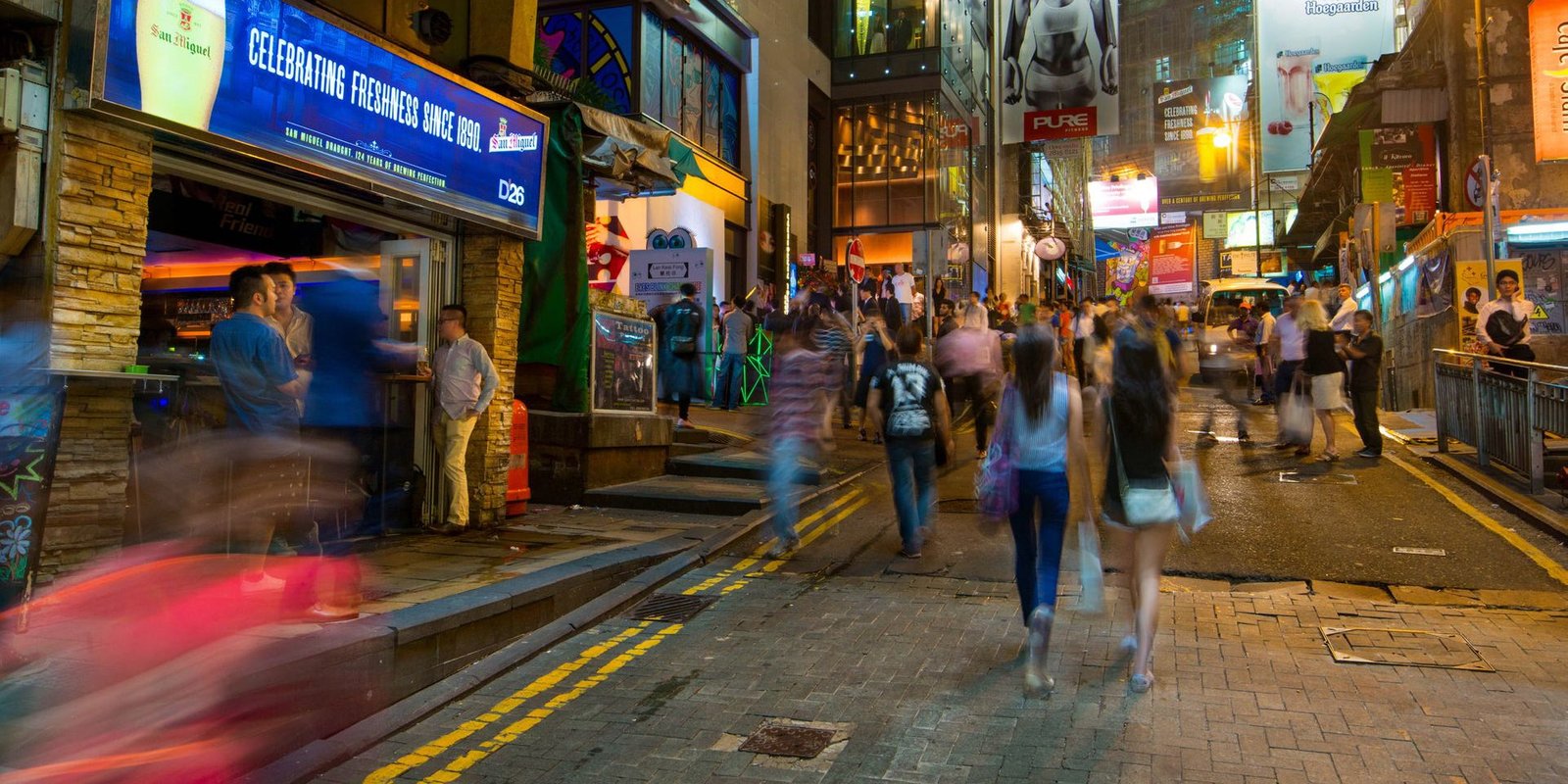
Anything goes in Lan Kwai Fong, which is a great thing. From stylish young Chinese to grungy backpackers and Western study abroad students, you will see all types of people here. Lan Kwai Fong does not have a mandatory dress code (although some of its establishments could), but you will undoubtedly find a location to suit your fancy, whatever that may be.
Western District
Given that Kowloon is home to the majority of the Chinese population in Hong Kong, it might be challenging for modern tourists to explore the Chinese features of the island. But the Western District, which is located immediately to the west of Central, is a genuine playground of Chinese treats. Here, the winding, tiny alleyways form a maze of businesses and establishments selling anything from herbs to old furniture. The Western District has a history of being a cultural bastion, as evidenced by the location of Man Mo Temple, which is the oldest temple in Hong Kong.
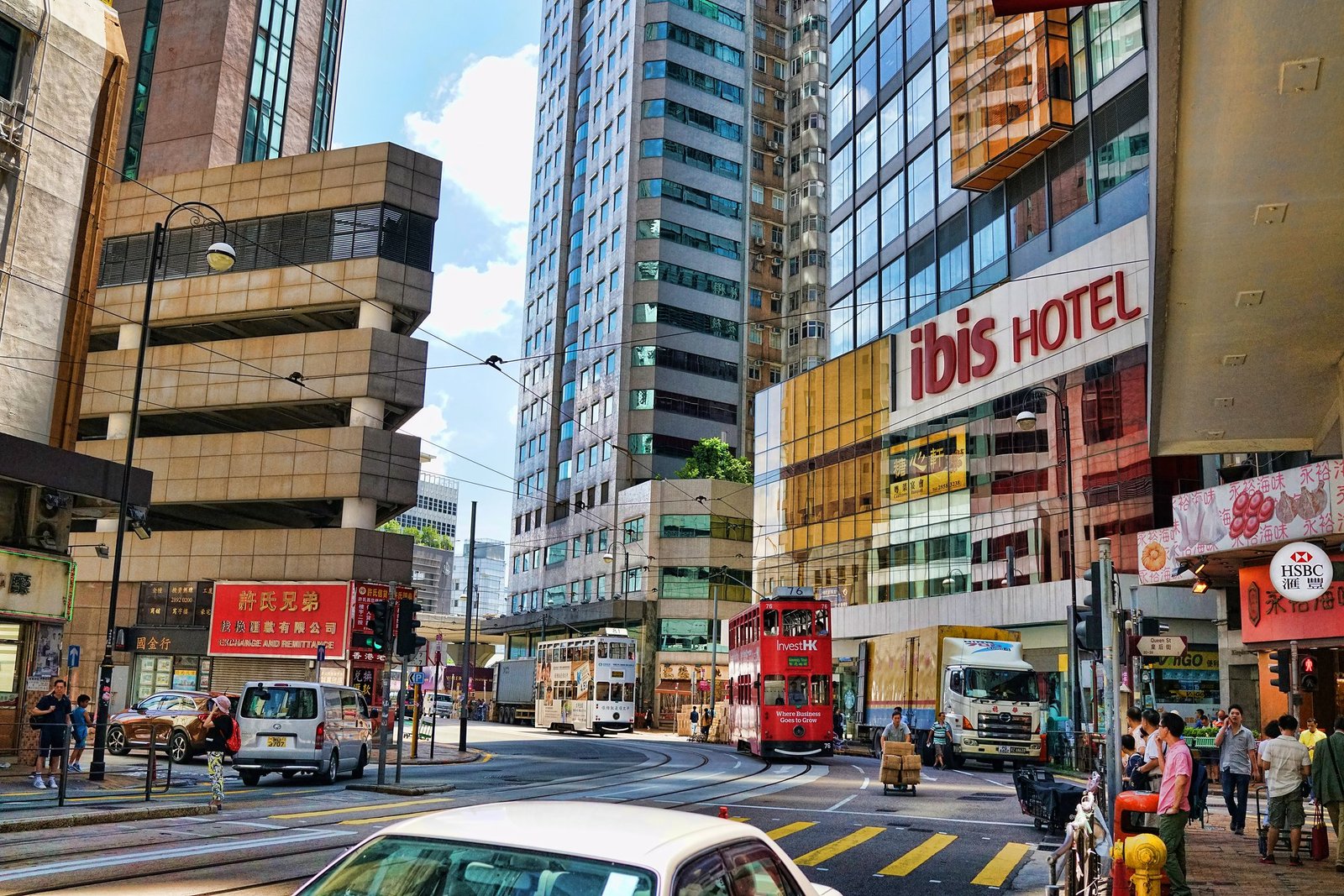
Start your shopping expedition on Hollywood Road, where there are the most knickknack stores and sellers, if you’re looking for Chinese things. You’ll pass by a lot of stores with unusual and exotic items hanging in their windows and vendors yelling at you with a low price offer while the aroma of ginseng fills the air. The Western District’s atmosphere and the sense of antiquity it radiates make a trip here worthwhile even if you aren’t looking for anything in particular.
Stanley and Aberdeen
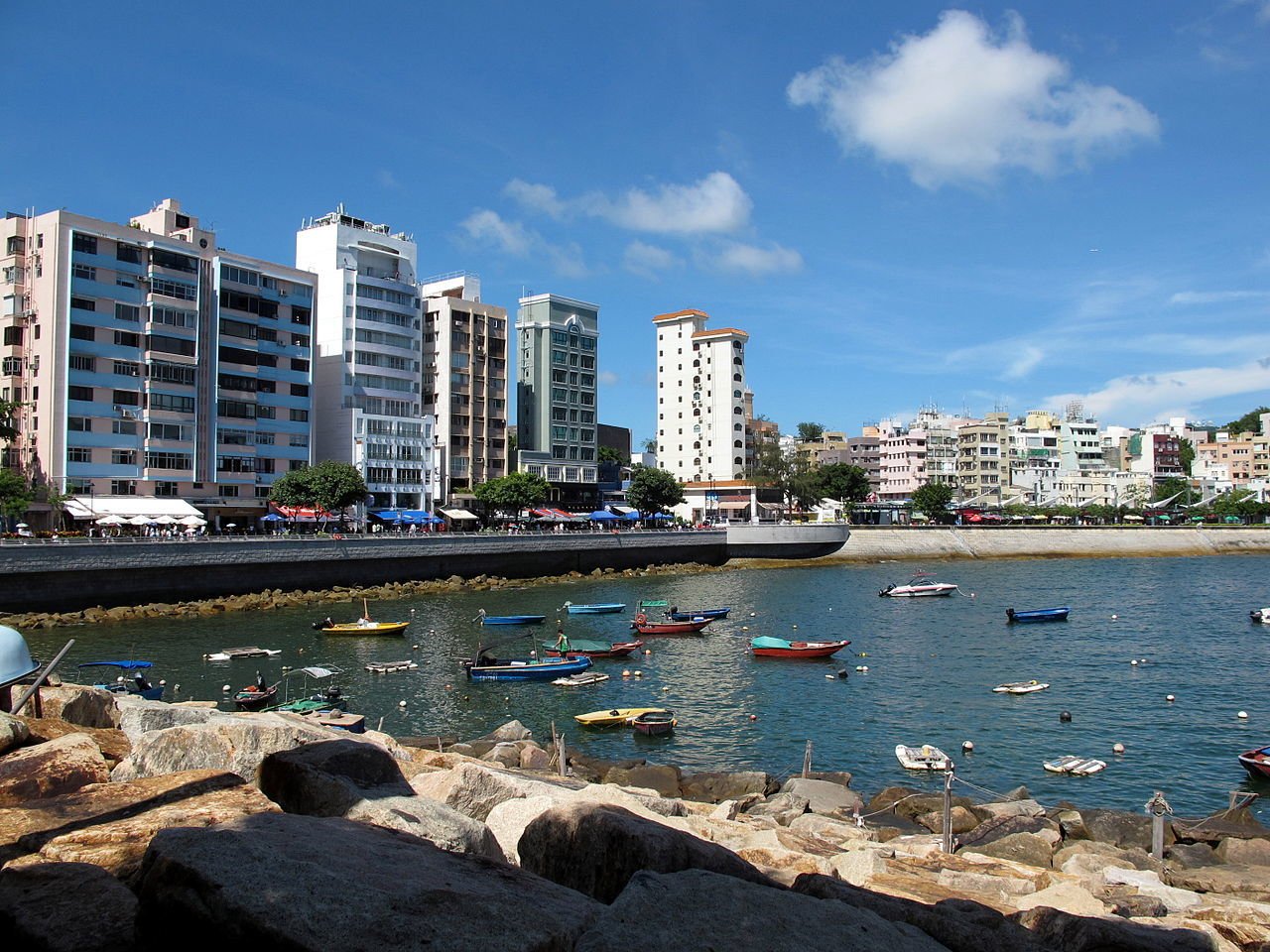
Both Stanley and Aberdeen, which are located on the southern tip of Hong Kong Island, were originally tranquil fishing communities, but as of the turn of the century, they were among the city’s most rapidly developing and popular neighborhoods. Both provide the pleasures of a coastal town that are now hard to obtain on the rest of Hong Kong Island or in Kowloon, despite the fact that each has its own completely unique personality. Sandy beaches extend from promenades where people are out enjoying the fresh air and visitors are enjoying views of the South China Sea. Each town’s center plaza comes alive with activity.
Many residents visit the Stanley Market in quest of silks, inexpensive apparel and knockoff products, and extremely low pricing because it might be difficult to locate really reduced items on Hong Kong Island these days. The fabrics you select here can generally be made into personalized apparel by a tailor, and if you’re looking for a new purse or pair of shoes, there are plenty of options.
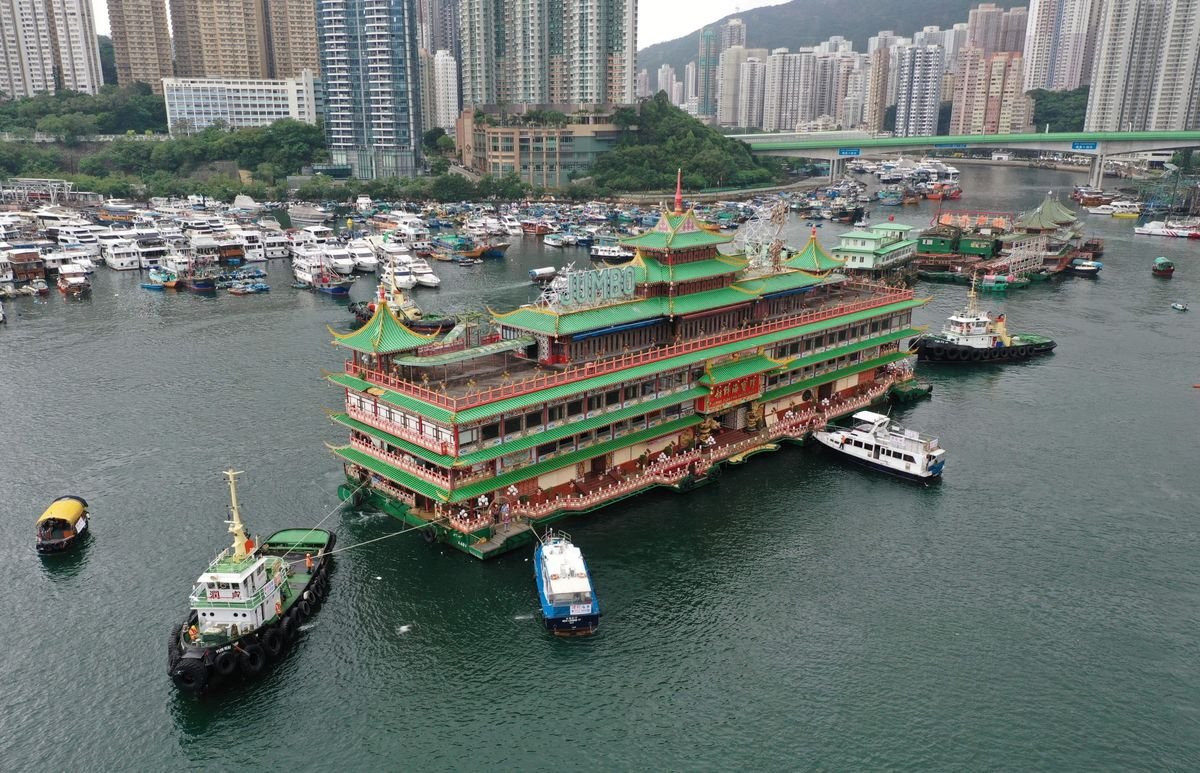
For its part, Aberdeen is a boater’s heaven. Here, it is not uncommon to see sampans and junks drifting around the bay, and the hamlet itself is now home to a large number of luxury residences and high-rise apartment complexes. Tourists love the Jumbo Floating Restaurant, a massive seafood establishment on a boat, and all ages love Ocean Park and Water World, two amusement parks with a maritime theme.