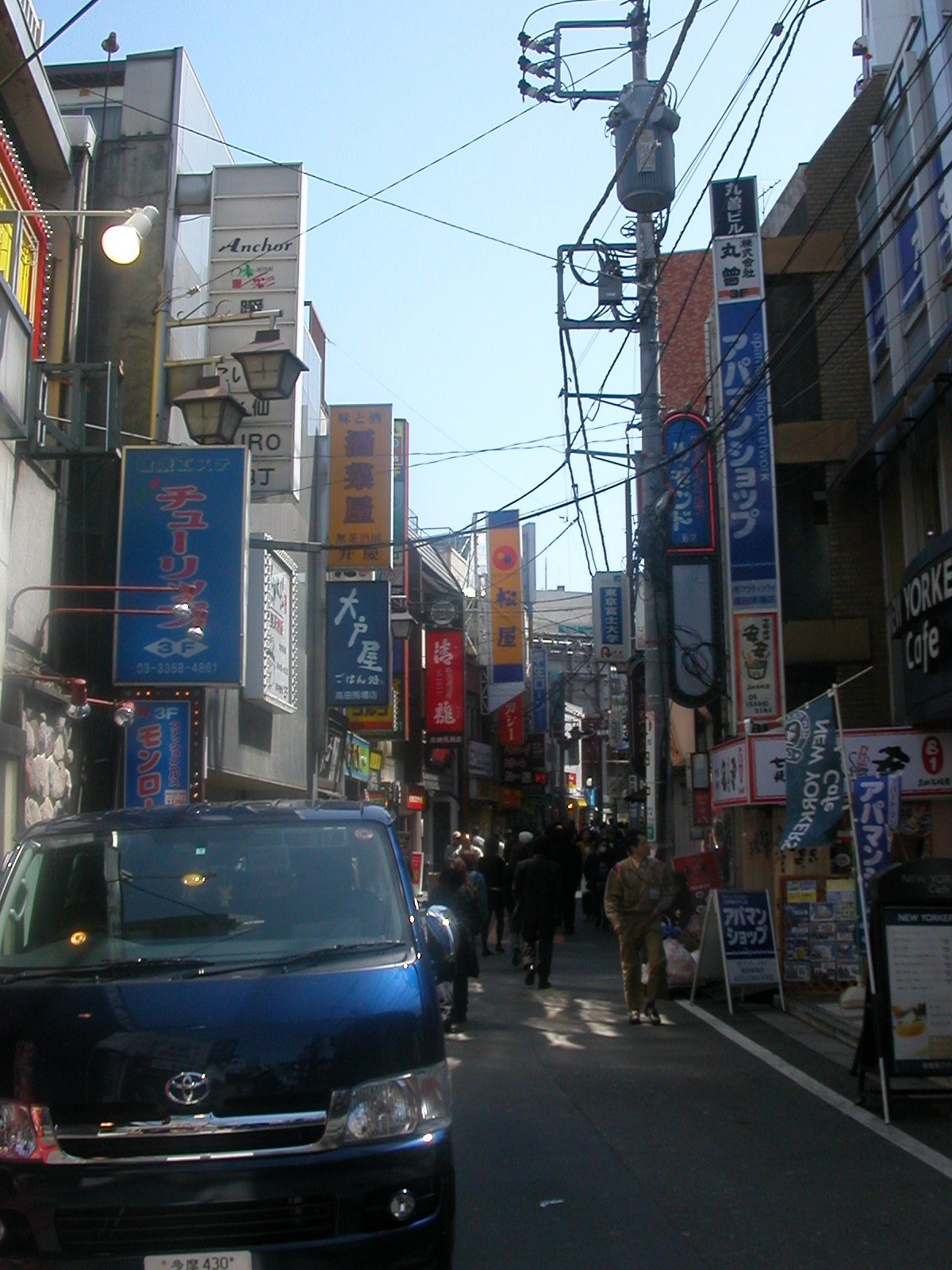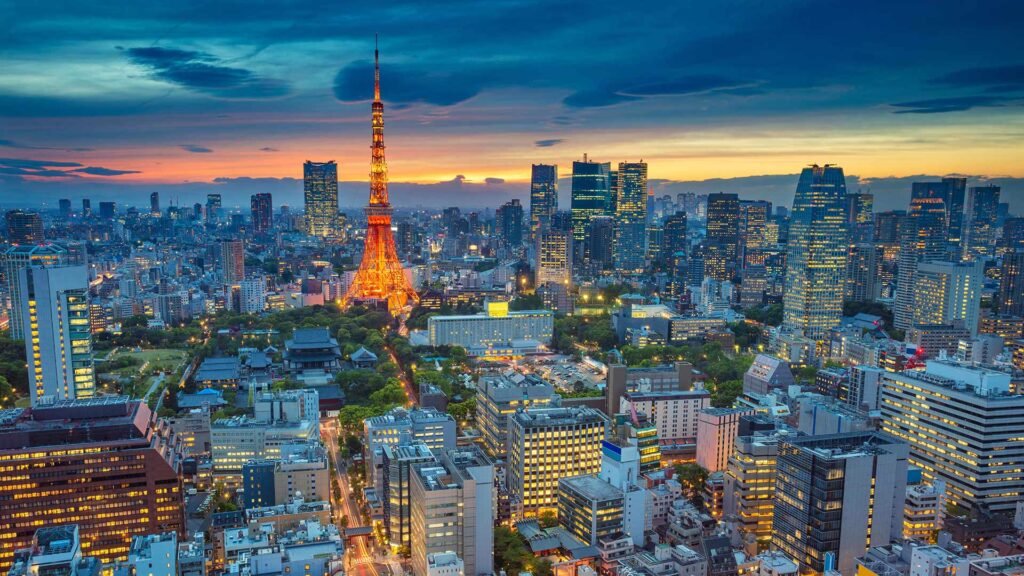
With a total size of more than 2,000 square kilometers (840 square miles), Tokyo is one of the greatest metropolises in Asia. Including the built-up areas of the greater Tokyo region (8,677 square kilometers/3,550 square miles), it is the second-largest urban zone in the world. The important historical and architectural attractions are located in Chiyoda, the most central municipality, which is actually a cluster of tiny cities separated into 23 “special wards” and 39 municipalities.
Fortunately, Tokyo boasts one of the cleanest and most effective public transportation systems in the world, making it simpler to get around. All of the following neighborhoods are easily accessible by the 13 subway lines, many streetcars, buses, and—at a higher cost—taxi service.
Among the attractions that draw tourists to Tokyo are Marunouchi, the grand Imperial Palace, the historic heart of the old city of Edo, the Akihabara high-tech district, Ginza, the cultural and spiritual centers of Asakusa and Ueno, Rygoku, the sumo wrestling capital of the world, Harajuku and Shibuya, and the Shitamachi and Yamamote districts’ historical wonders.
Marunouchi
The most preeminent city in medieval Japan was Edo, which was built primarily during the late 16th and early 17th centuries by the shogun Tokugawa Ieyasu. A former inlet of Edo Bay, Marunouchi is now the ancient city’s cultural, political, and administrative hub.
Although it has changed into a neighborhood of international banks and iconic modern buildings–such the Tokyo International Forum on 5-1 Marunouchi 3-cone–the presence of the magnificent Imperial Palace preserves the past. The current hall, which serves as the Emperor’s official residence, was only built in 1968; the original keep was destroyed during World War II, but the palace’s enormous moat and sturdy ramparts, which were constructed in the late 15th century, still stand today, acting as the district’s unofficial boundaries.

Well-kept gardens spread out all around, providing a quiet oasis between the palace’s historical past and the rest of Tokyo’s bright, computerized modernity. The Diet Building and the Marunouchi Building, two awe-inspiring government structures, define the political control room of Japan to the west of this location. Tokyo Station, an intercity hub that is constantly busy, is close by on the Shinkansen, and its redbrick exterior is curiously attractive for such a practical utility.
Akihabara
Immediately to the north of Marunouchi is a particularly unique area of the city. Most cities have sections that are known for their nightlife, commerce, history, or culture, but few can claim districts that are focused on electronics and information technology. Akihabara resembles the scene of a cyberpunk book with its unending computer showrooms, videogame arcades, Internet cafés, and geek fashion stores; it is more of the future than the present.
In recent years, as competition from retail centers in other parts of the city has risen, Akihabara’s economy has slightly turned away from hardware and toward software, such as anime movies, video games, and manga comic books. The area has therefore become somewhat of a pilgrimage location for Westerners enamored with such Japanese subcultures. You’ll even find businesses specialized to selling anime-influenced pornography. Despite what it may seem now, Akihabara has a rich history and was important during the Edo era as a bustling residential area serving the city’s large population of craftsmen and builders.
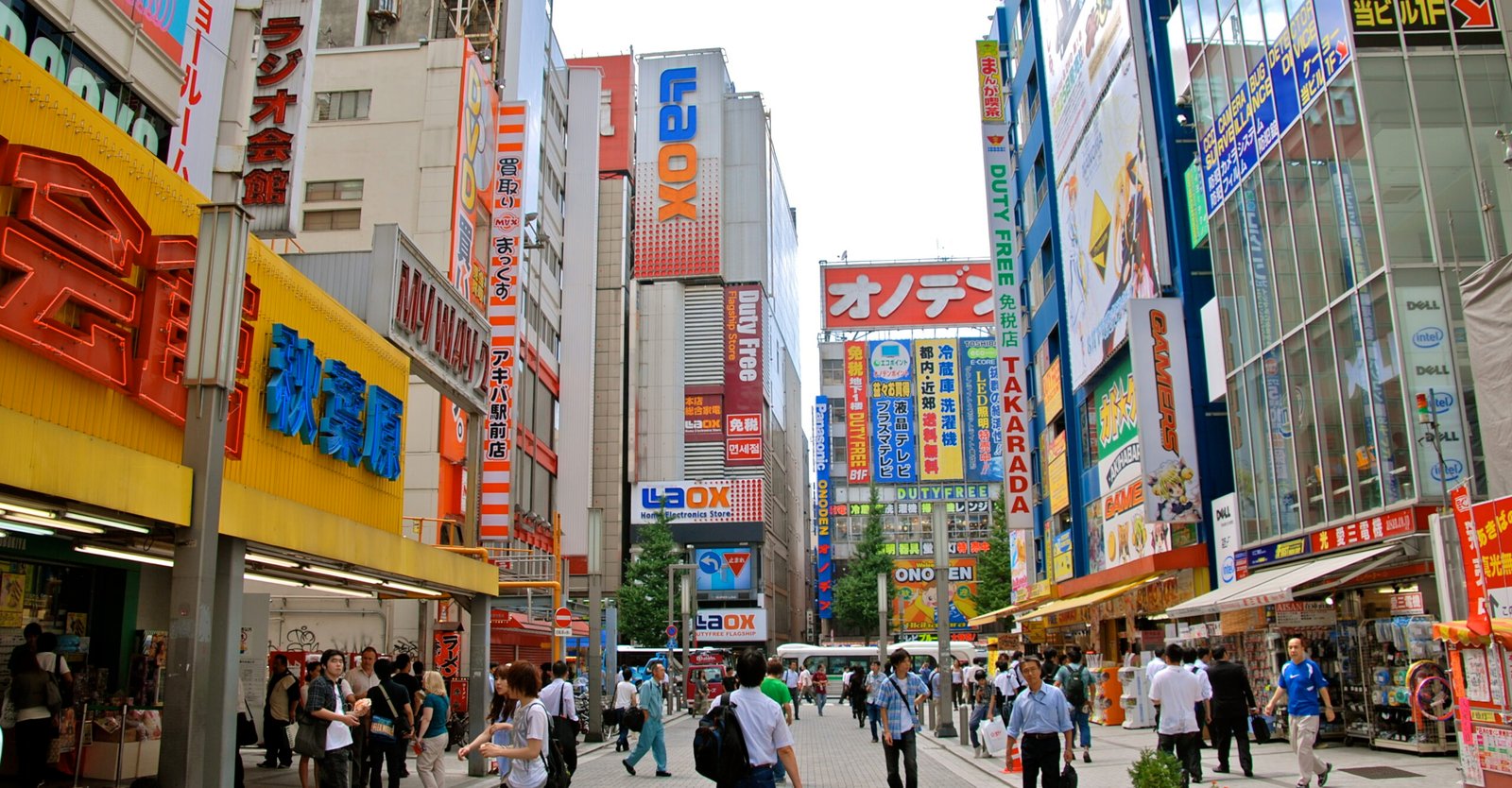
Akihabara Electric Village, which is so large that it almost counts as a neighborhood in and of itself, is a collection of various shops and showrooms where, at any given time, you can watch demonstrations of the newest gadgets, robots fights, and teenagers playing violent games on enormous HD screens. This is a favorite shopping location because to the significant discounts on laptops, MP3 players, and cameras that are available.
One kilometer to the east, in the Kanda district, is thought to be the tranquil antidote to Akihabara’s technological mayhem. Students from the adjacent Meiji and Nihon universities are virtually the majority there, yet this doesn’t lead to excessive noise, drinking, or inappropriate conduct. Instead, Kanda is a green, subduedly academic city with several bookstores and libraries along its boulevards.
Ginza
The most exclusive location for luxury shopping in Tokyo extends east from the city center. To keep up with the Joneses, well-to-do ladies in this area dash from store to store while shopping for jewelry, fashionable clothing and shoes, opulent home goods, and a variety of other bourgeois status symbols. On Sundays, Ginza is reduced to a pedestrian-only area, which appears to inspire local small-business owners to populate the winding side streets and provide an alternative to the international corporations that are so pervasive in this area.
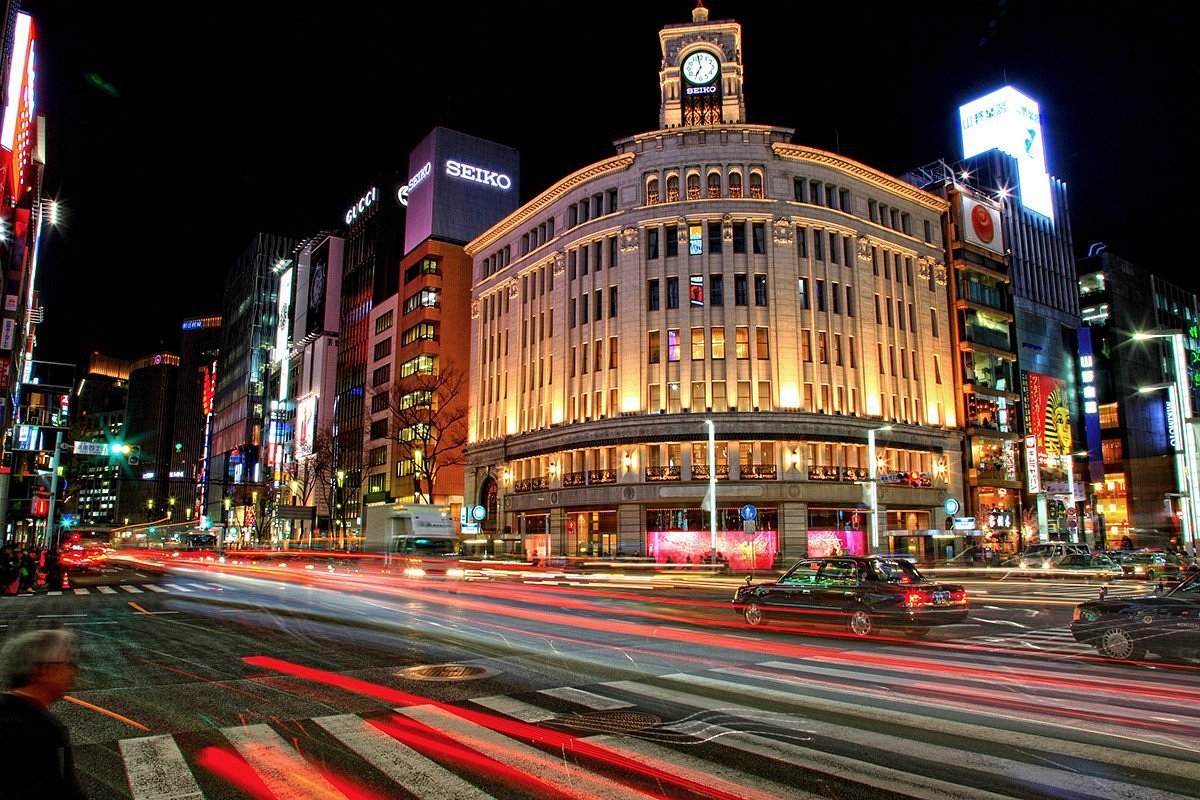
Contrary to popular belief, Ginza’s massive malls and multi-story department stores aren’t only about shopping; several of them also have galleries with exhibits by upcoming Japanese and foreign artists as well as free-admission exhibitions for traditional crafts. Due to its process of Westernization in the 1930s, Ginza is architecturally distinct from the rest of Tokyo. While you can find typical Japanese sloped-roof homes and skyscrapers elsewhere in the city, here sidewalk cafés, gas-powered streetlights, and wide thoroughfares will remind you of London or even Paris. The Kabuki Theater at 4-12-5 Ginza is the area’s most famous tourist attraction, and its pre-war East-meets-West façade blends in beautifully with the surrounding buildings.
Asakusa and Ueno
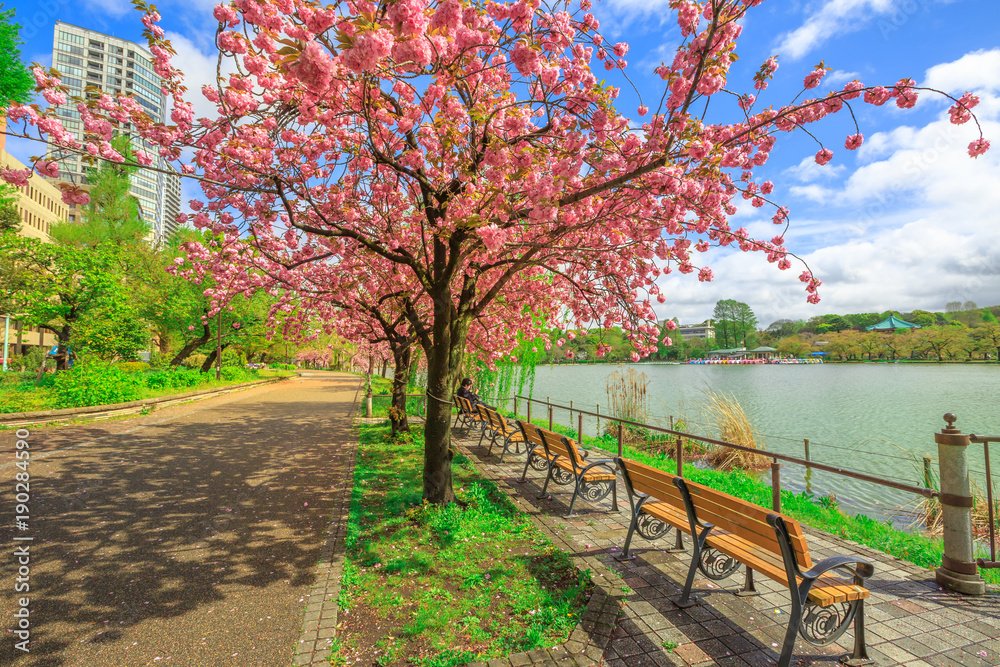
Further north from Akihabara lies Ueno, a neighborhood that is currently as laid-back as it was brutal in the past. On the hill there, the shogun’s followers ruthlessly massacred hundreds of anti-imperial rebels in 1868. The area was transformed into Ueno Park as a quiet oasis of greenery in remembrance of the departed, and it still makes for a pleasant promenade today.
The Tokyo National Museum on Ueno Ken is without a doubt the city’s top museum, and Ueno and its neighbor Asakusa combined have the most museums and galleries of any district in Tokyo. The spectacular imperial-style building includes pottery, weapons, tools, and calligraphic artwork from several Asian countries.
The National Science Museum, which has a 1:1 scale replica of a blue whale to attract more people, as well as the Tokyo Museum of Western Art, the Tokyo Metropolitan Museum of Art, and other cultural institutions make Ueno Ken possibly Tokyo’s most culturally diverse street. Tokyo University, one of the best in the nation, is a bit to the north of here, but unlike Kanda, there isn’t much of a noticeable or even noisy student scene here.
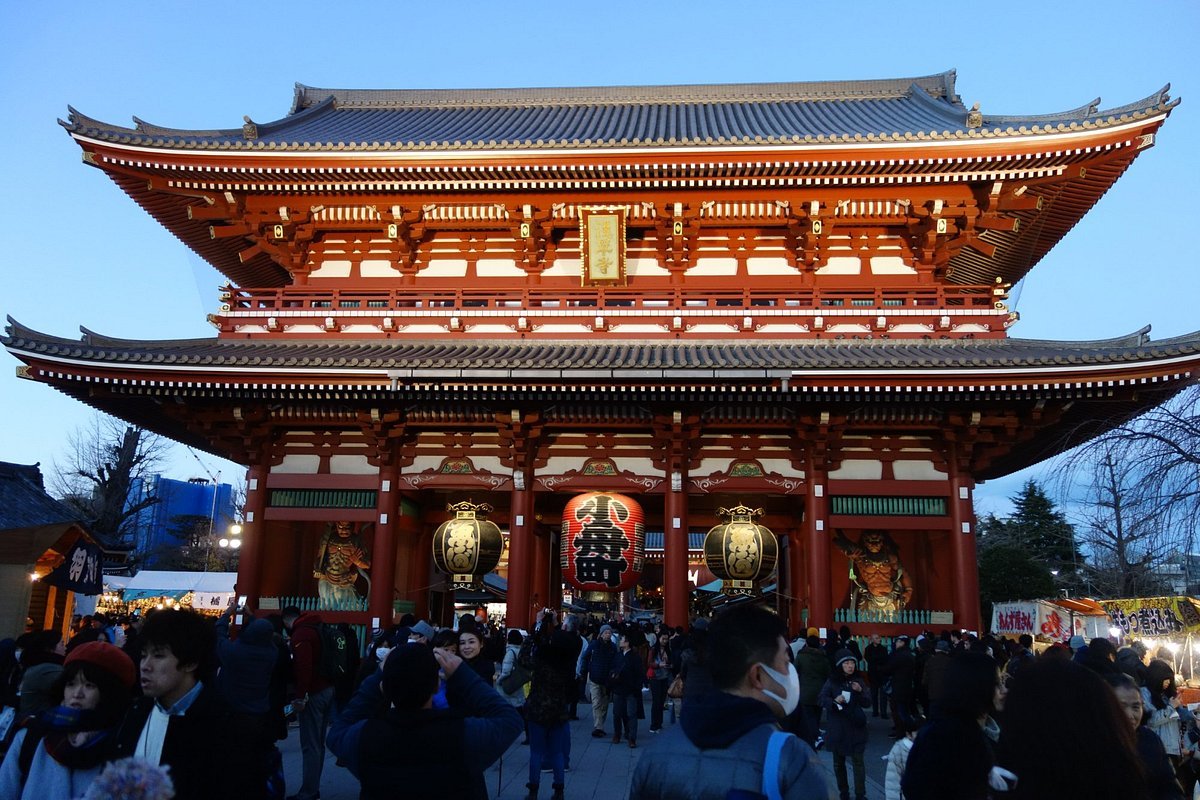
The streets of Asakusa are frequently transformed into vivid feasts of color during the several Shinto Buddhist festivities that are held there frequently. Tokyo’s oldest temple, Sens-ji, was built around 645 CE. Landmarks in the area include the imposing Thunder Gate and veranda-lined pagoda. On Taito-ku, the smaller Asakusa Shrine is situated.
Ryōgoku
Another distinctly Tokyo area is located across the Sumida River. The six epic tournaments staged in the century-old Kokugikan Stadium are the pinnacle of Japan’s sumo wrestling culture. Sumos exercise in partially open-air stables in the early morning, and afterwards, they are fed in specialist restaurants with high-calorie, high-cholesterol meals. The Sumo Photographic Gallery and the Sumo Museum on Yokoami Sumida Yu provide more information on the sport than is probably necessary.
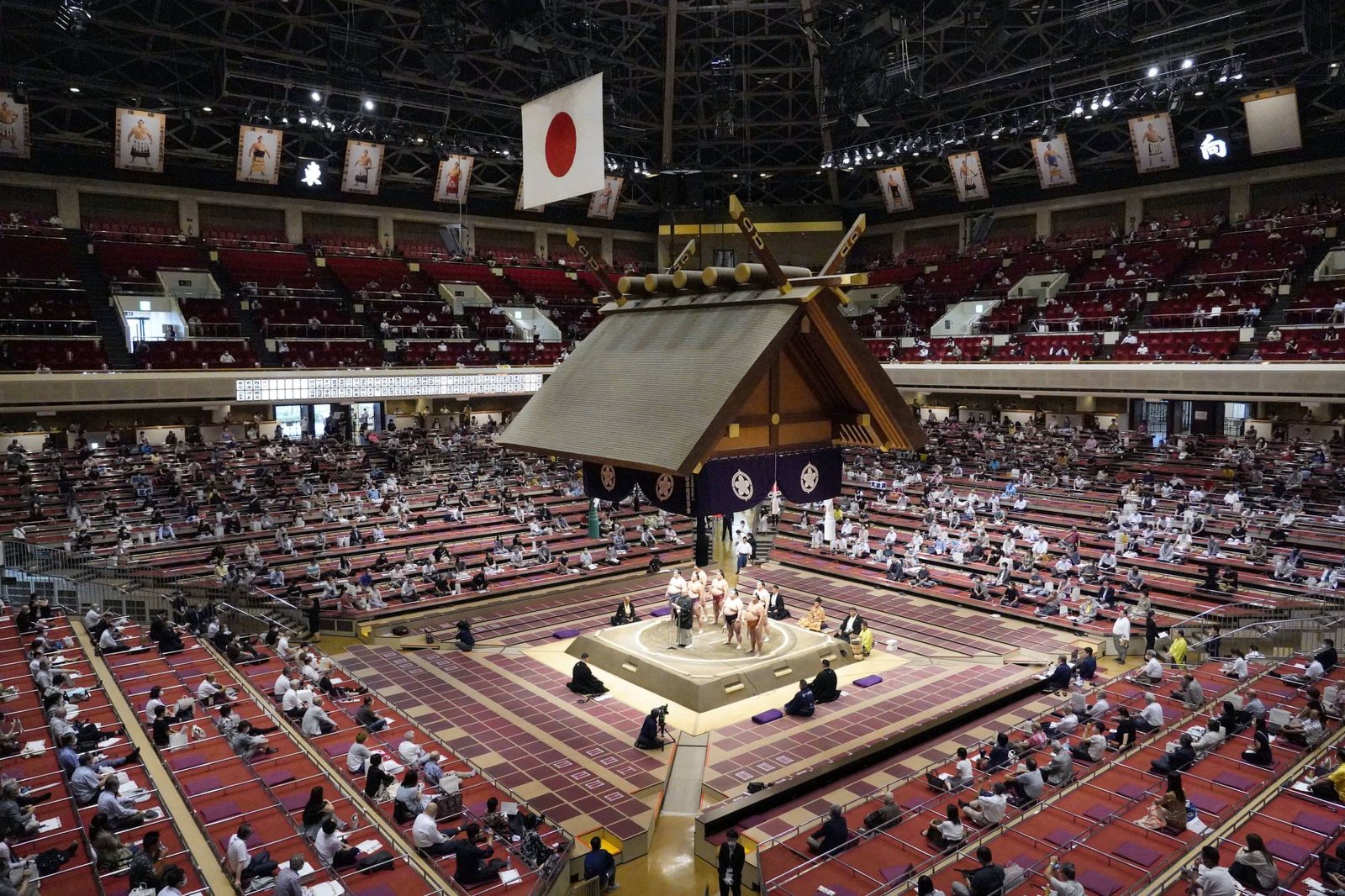
Aside from its emphasis toward sumo, Rygoku is a suburban residential area that rose to prominence in 1659 with the building of the Rygoku Bridge, which connected it to ancient Edo and opened up new trade opportunities. A group of ronin warriors murdered the strong feudal lord Kira Yoshinaka in his house in 1703, and it became one of the most infamous killings in Tokyo history. The little Rygoku Park is home to remnants of that house that still exist today.
Harajuku and Shibuya
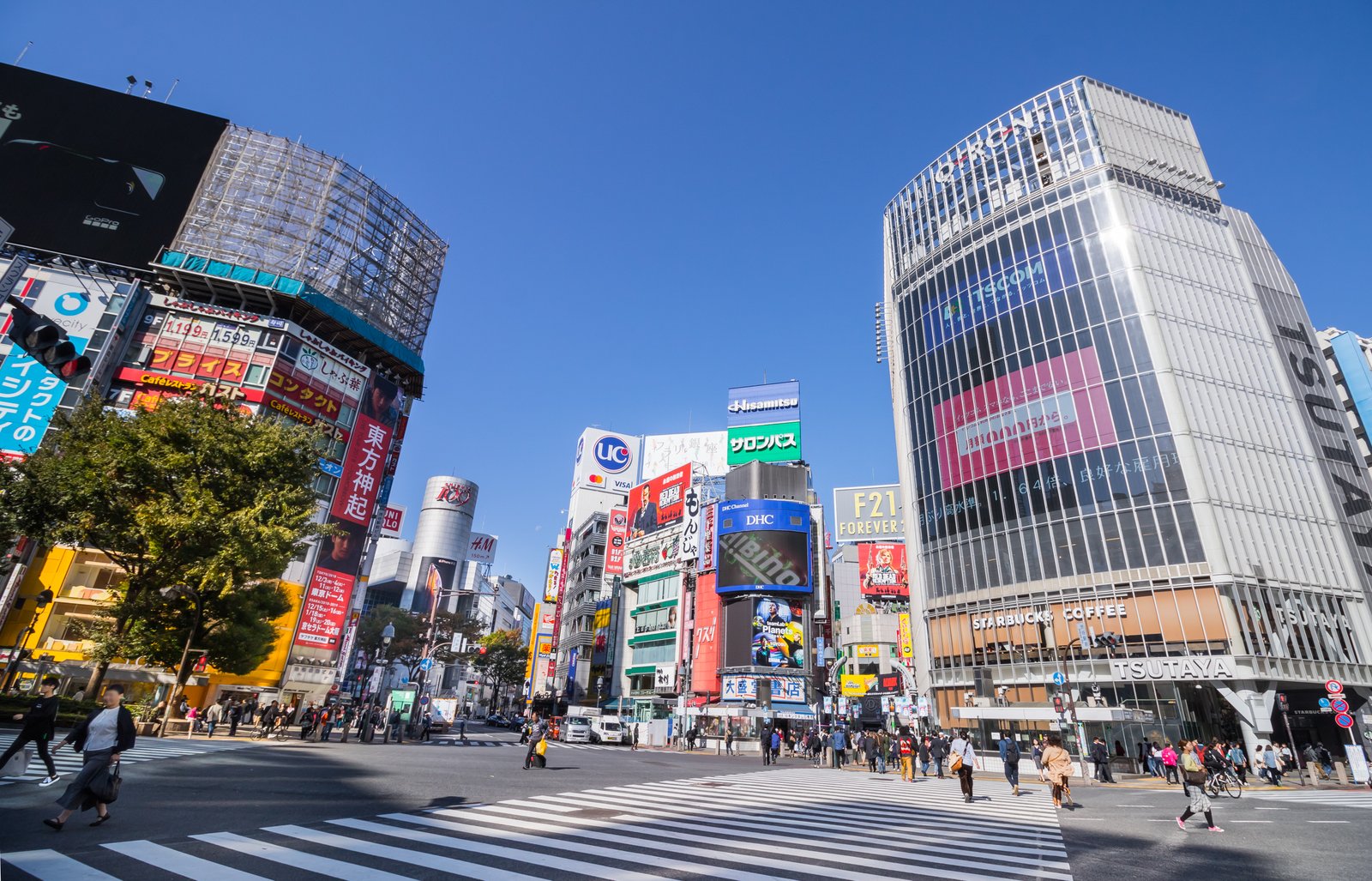
The hip, youthful neighborhoods of Harajuku and Shibuya are only a few miles southwest of the Imperial Palace. The Dogenzaka Road is home to some of the city’s top nightclubs and live music venues. There are intentionally over-the-top and subterranean businesses everywhere, and tube-shaped, gaudily-decorated shopping centers like Tokyo Loft and Face offer everything from obscure Korean DVDs to geeky gadgets to Halloween makeup and sunglasses.
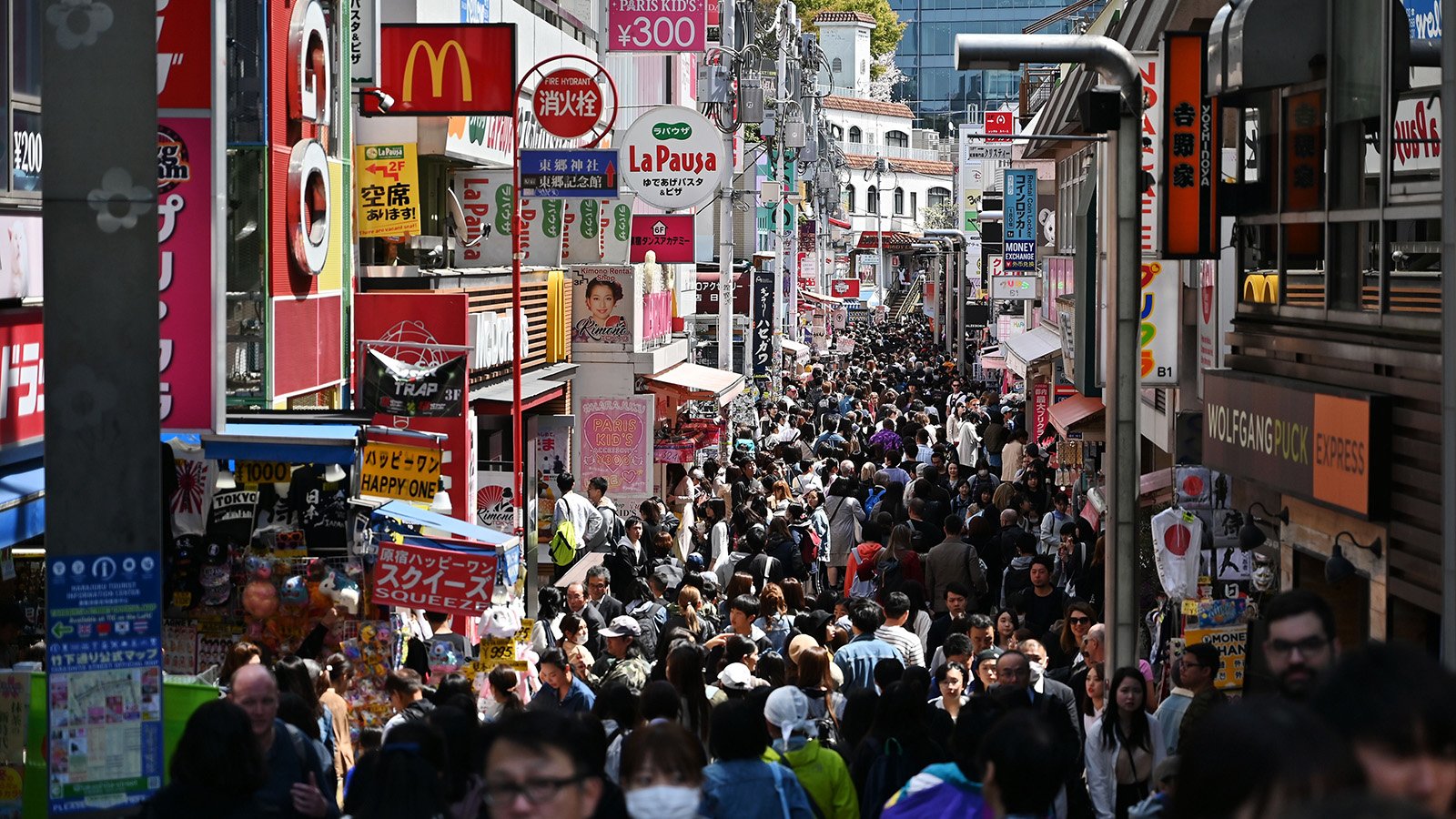
It may be oppressively crowded here because it’s the area of town where everyone wants to hang out, especially on the weekends. To put it mildly, even Shibuya’s most famous monument is peculiar: when you hear about Hachiko’s Statue, you might assume it represents a human, but in reality, Hachiko was a dog that belonged to renowned Tokyoite Professor Ueno. According to legend, Hachiko was so devoted to his master that he continued to wait for him long after his death.
Harajuku turns up the bizarre ambiance a couple notches more. You may often observe young Tokyo residents playing live role-playing games while clad in the costumes of well-known manga characters; occasionally, they even pretend to engage in combat with one another. Another young tradition occurs every Sunday at Yoyogi-koen Park: fictitious heavy metal enthusiasts blast loud music from portable stereos, turning this typically tranquil setting into an unplanned rock concert.
The park’s vegetation is so dense that it resembles a forest. The largest of its type in Tokyo, it enables tourists to take a rare step outside, especially in the spring when stunning cherry blossoms are in full bloom. Himalayan cedars, konara oaks, and sawar cypresses all contribute to the environment’s fairytale-like beauty.
Shitamachi and Yamamote
Shitamachi and Yamamote, two historically significant neighborhoods, are located outside Asakusa and Ueno, in the hilly hinterland. Their beginnings may be traced to the shoguns’ caste-based partition of Edo. The affluent traders and political elite resided in Yamamote, while the less fortunate artisans and farmers were restricted to Shitamachi. Obviously, a lot has happened in the past 400 years, since both neighborhoods today showcase the finest of Tokyo’s feudal legacy by way of countless old houses, auditoriums, and temples.