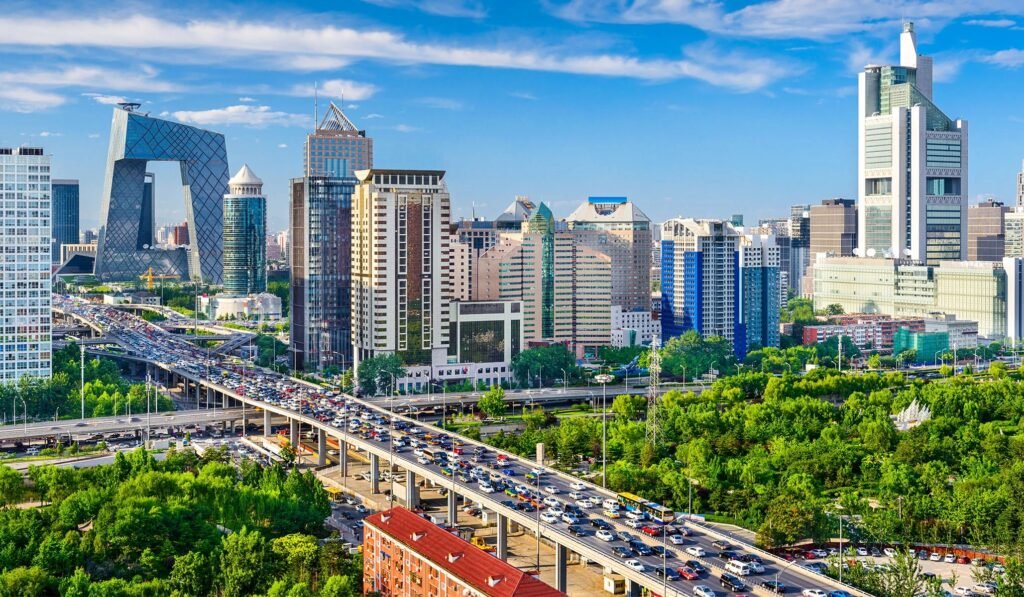
The oldest districts of Beijing are still home to thousands of hútòngs, narrow streets or alleys where houses are purposely built to form squares or rectangles in order to create a type of traditional courtyard. Hútòngs were the city’s capillaries and were essential to its day-to-day operations. They served as the primary channels for the dissemination of information, the exchange of goods, and the habitation of the vast majority of people. Hútòngs are distinguished by their gray shingled roofs and winding streets.
Historic District
Since most of the skyline in this historic neighborhood is made up of large attractions, neither its residential nor business density is particularly high. The picturesque Dà Zhà Lán (Dazhalan Alley), a former slum that has undergone major renovation and is now a vibrant commercial district full of trinkets and kitsch, is located just south of Tiananmen Square.
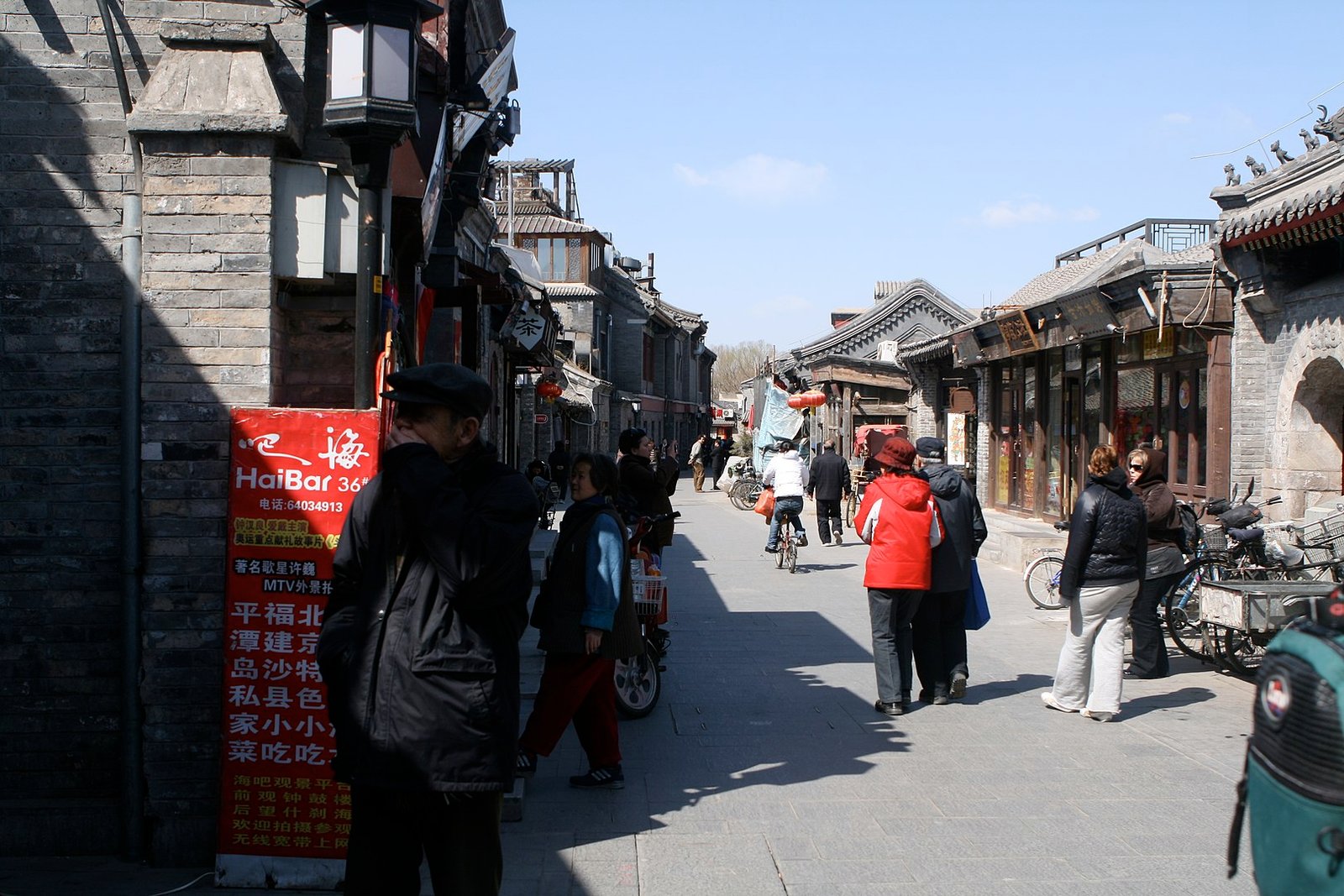
Every traveler should begin their first journey to Beijing in this central Historic District. It’s a great starting point for getting a sense of the immense scope and depth of the city’s ancient and modern architecture, history, and culture. It is a fascinating examination of Beijing’s contrasts: old against new, rich versus poor, large against small, and natural versus manmade.
Wángfǔjǐng
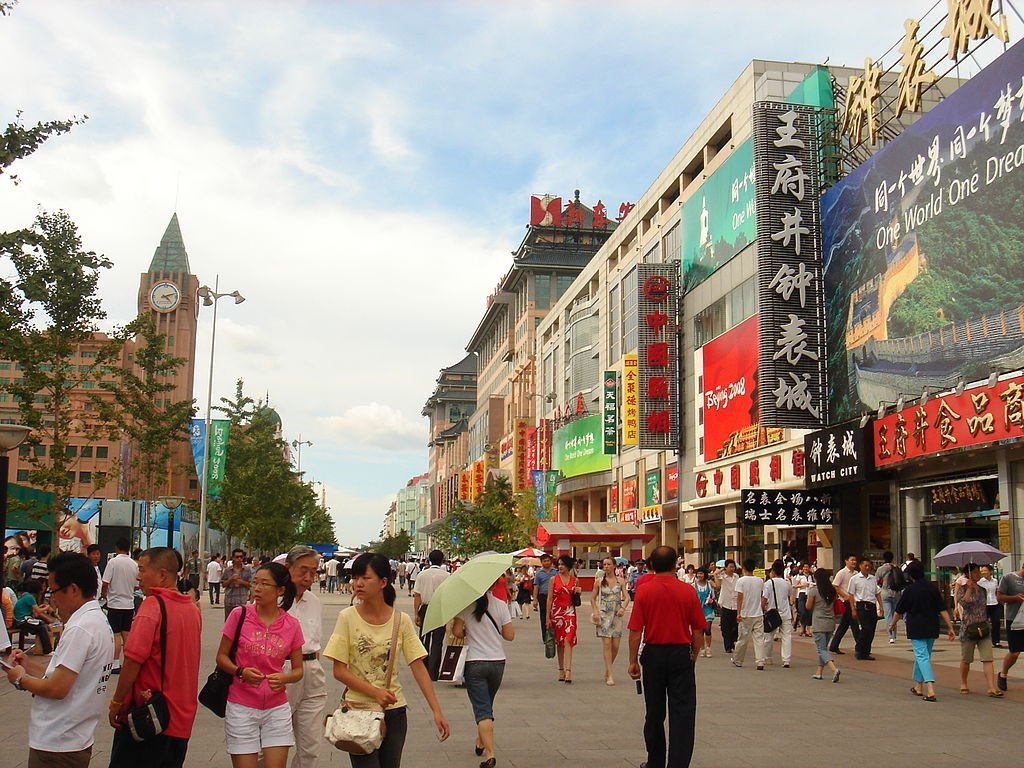
More than 250 shops now line both sides of Wángfǔjǐng, which each night glows with brilliant neon signs and serves as a wonderful attraction in and of itself. Every evening, a bustling night market in the nearby Dònghuàmén draws crowds of hungry customers by selling curiosities like insects and starfish.
Cháoyáng
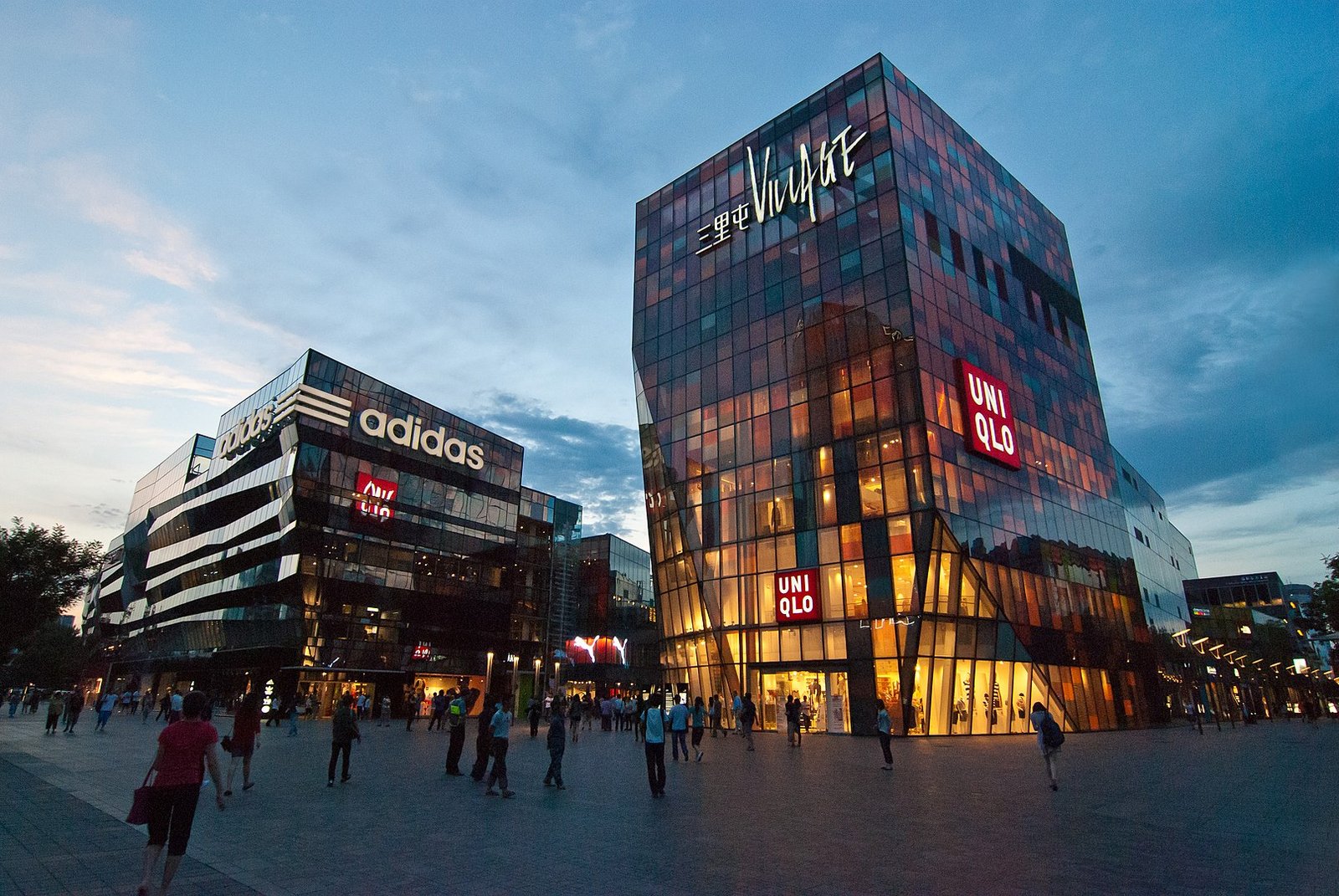
Because it also houses the majority of Beijing’s embassies, this region was first favored as a haven for expats. It boasts elegant buildings, spacious avenues lined with trees, and restaurants.
Sānlǐtún, one of the city’s oldest and most cherished nightlife neighborhoods, is also located in Cháoyáng. Pubs, nightclubs, wine taverns, and restaurants line this actual “bar street.” An aura of decorum that was previously unheard of has been introduced to Sānlǐtún, which was before known as a hangout for inebriated expats looking for a good time.
Hǎidiàn
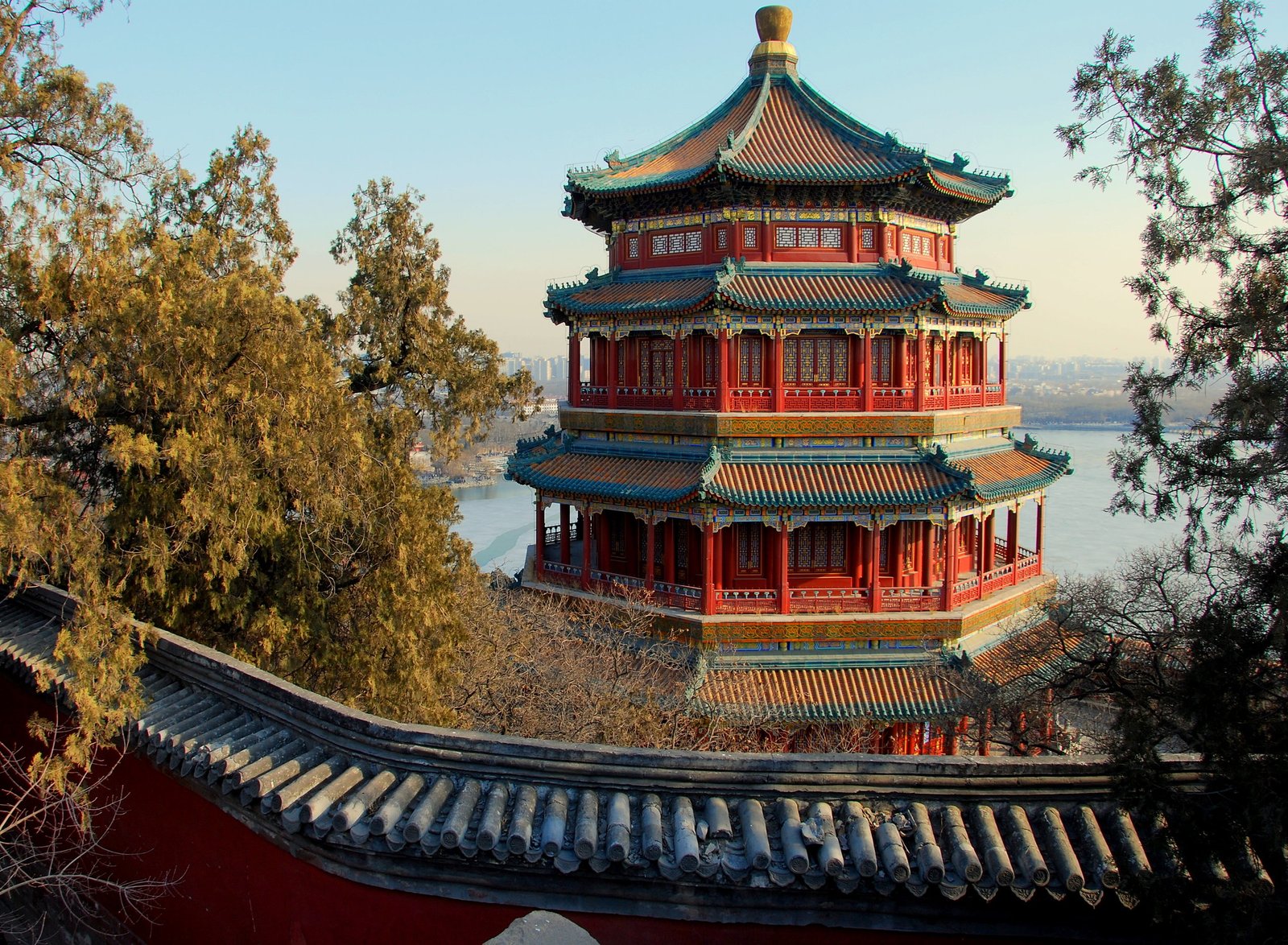
When Tsinghua University first opened its doors at this location in 1911, Hǎidiàn began its journey toward becoming Beijing’s university district. Soon after, Hǎidiàn was recognized as a student-focused region in one of the works of a well-known Chinese novelist, and gradually more and more universities started to establish campuses there. The IT industry followed in the footsteps of the educated people and is now centered on Hidiàn, where many large software and computer companies have their headquarters.
Because it was not originally such a developed neighborhood, Hǎidiàn is also home to a number of prominent tourist attractions that were once the focal point of natural getaways for Beijingers. Yíhé Yuán (Summer Palace) is the largest, a massive complex of pagodas, temples, and gardens surrounding a large lake where the emperor and his court used to escape the summer heat.
Hòuhăi
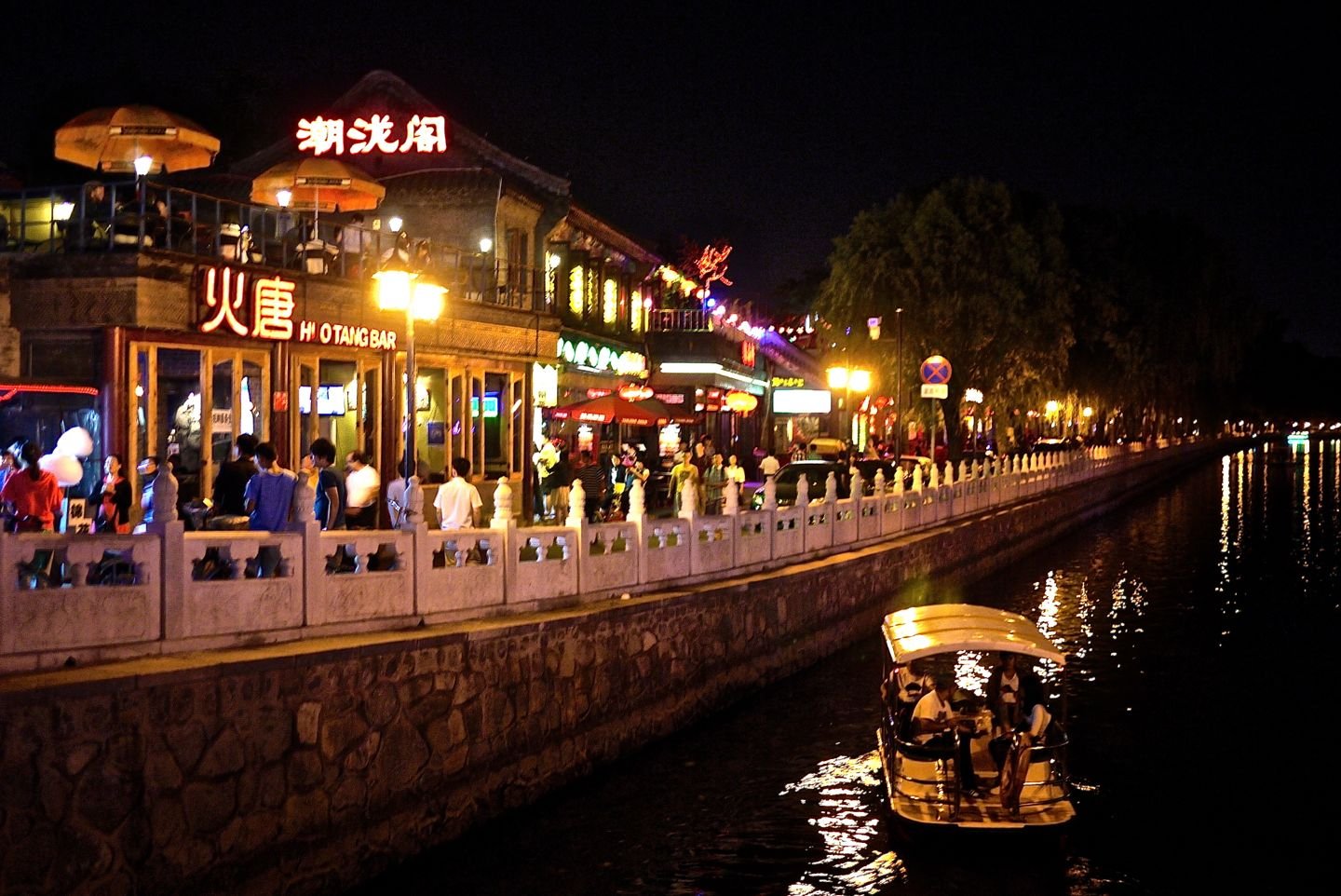
Given the unrestricted blending of Chinese and Western cultures in Hòuhăi, one of Beijing’s hippest neighborhoods, old sìhéyuàns along the hútòngs are making way for hipster new cafés. If you want to enjoy a bottle of Chilean chardonnay while watching the sun set over the city’s tiled roofs, head to Hòuhăi , which is home to a surprising number of excellent international restaurants where young chefs are creating avant-garde meals to the beat of contemporary ambient music.
Hòuhăi Lake is a popular destination in and of itself, where tourists and young lovers in love can enjoy a paddle boat ride or a stroll beneath the shade of oak trees. The streets around the eastern end of the lake, however, transform into one of the city’s busiest nightlife districts in the evenings, with many pubs offering outside seating that overlooks the lake. As long as you can tolerate the frequently loud pop music and pushy touts who try to court every passing foreign face, this is a pleasant diversion. One of the restored neighborhoods has a lot of lovely restaurants and souvenir shops, making it fun to wander around even if you don’t pause for a drink.
Dōngzhímén
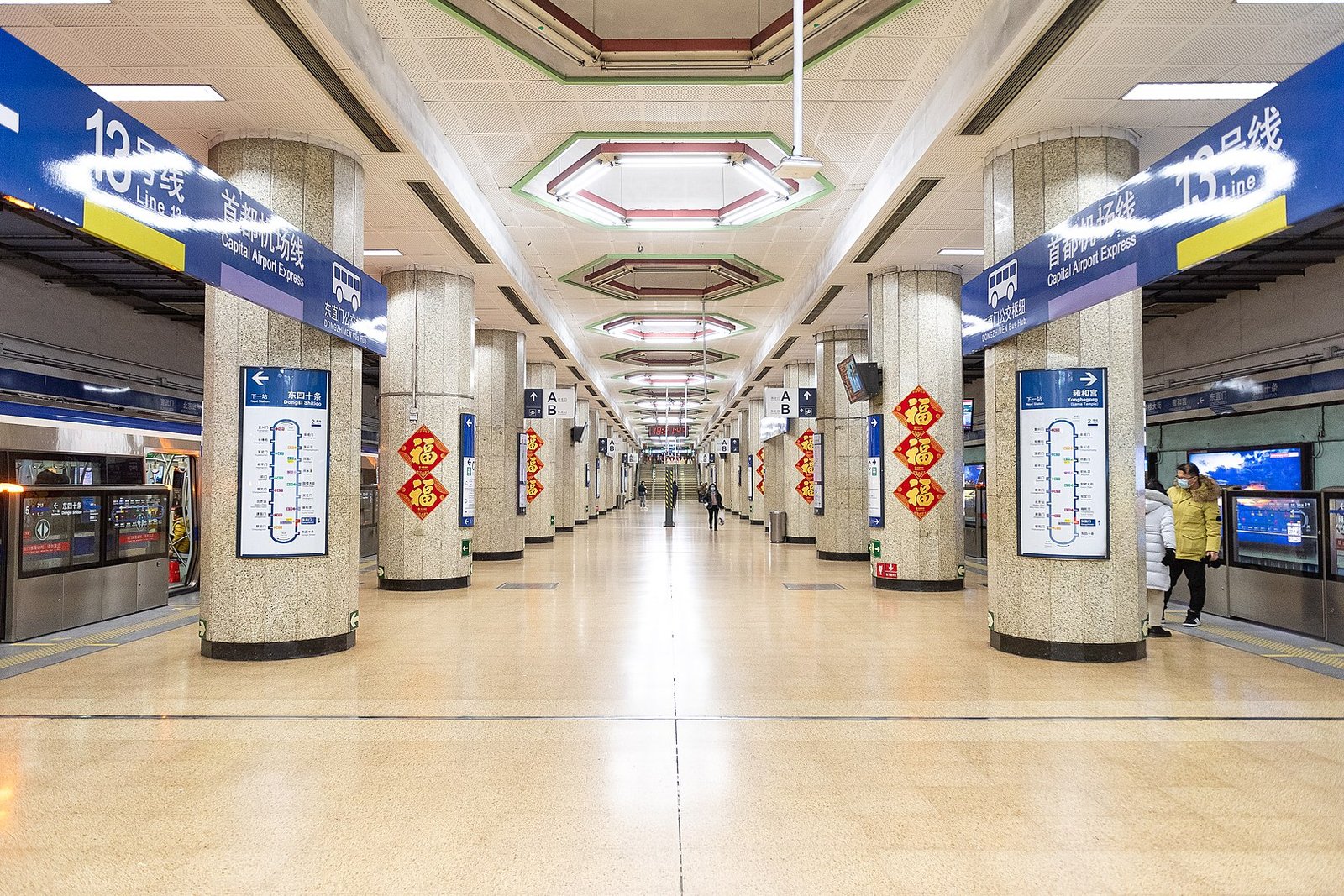
Dōngzhímén is a district northeast of Tiananmen Square that is steadily becoming a busy area full of restaurants and sizable retail malls, but it also has its fair share of historic structures and attractions. It is not normally mentioned in most tourist guides.
Dōngzhímén, which means “east straight gate,” once made up the easternmost part of the old city walls, including the eastern gate. Even though the wall and gate’s remnants are gone, Dōngzhímén has kept its spirit alive because it is now a significant traffic center where the 2nd Ring Road, a major highway, connects with numerous other significant routes. Access to the Airport Line is available via the Dōngzhímén Subway Station.
The district of Dōngzhímén, where residents and foreigners alike live, work, and eat, but where few tourists dare to go, is the ideal place to experience Beijing as it truly is. Dōngzhímén genuinely exposes everything Beijing is about, from fine eating and shopping in one of the area’s many sizable malls to enjoying some dumplings and regional beer at a modest eatery.