Destinations

Guangzhou | Exploring the neighborhoods of Guangzhou, China
Destinations

Guangzhou | Exploring the neighborhoods of Guangzhou, China

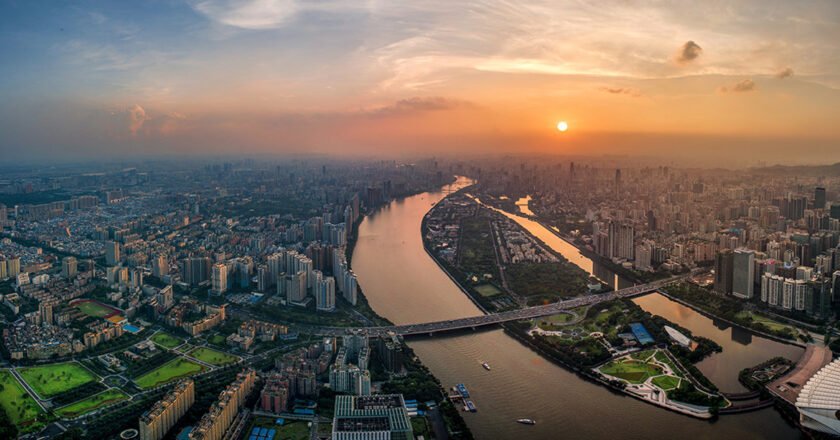
After Shanghai and Beijing, Guangzhou is the third most populated city in China. It is a large provincial capital with a long history of trade and foreign influence. Its Zhu Jiang Delta location and close proximity to Hong Kong contribute to its welcoming nature toward immigrants. Guangzhou is divided into 10 administrative districts, starting in the old part of the city and extending outward in long arcs from the northeast and southeast. Some of the most remote districts are currently being transformed by the government into commercial and industrial hubs, rendering them unattractive to tourists. The more central parts of the city are where the majority of Guangzhou's attractions, nightlife, and shopping are located. Liwan By Michael Gwyther-Jones from London, UK - China 2012 Gu...
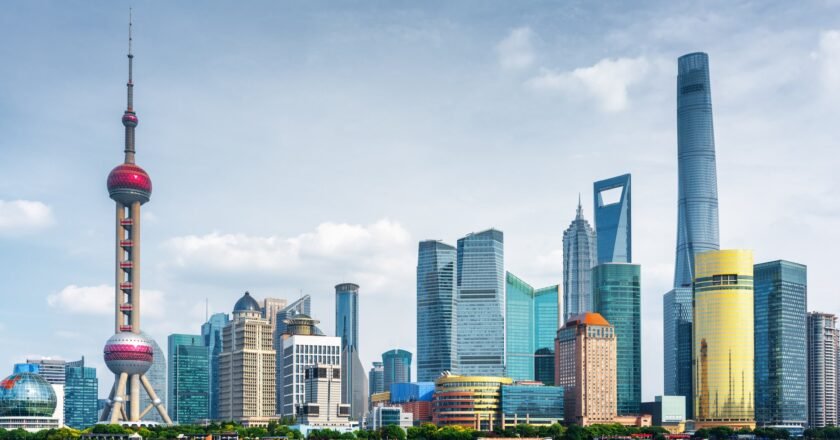
Shanghai | Exploring the neighborhoods of Shanghai, China
Destinations

Shanghai | Exploring the neighborhoods of Shanghai, China

Shanghai is one of the world's largest cities, with its metropolitan center alone covering more than 2,000 square miles. In the past, the Huangpu River, which functioned as a transportation corridor for both people and commerce, was where the city was most densely populated. Today, though, the vast sprawl has moved so far west that it practically approaches Suzhou. The Shanghai metropolis creates a separate municipality that functions much like a mini-province. Although many Shanghai residents live separately in their own distinctive enclaves, neighborhoods, and suburbs, each with a distinctive taste and local community that is more or less self-supporting, they do not all dwell together in a huge mass of concrete jungle. These places are among Shanghai's most authentic, but they are a...
Shenzhen | Exploring the neighborhoods of Shenzhen, China
Destinations, Uncategorized

Shenzhen | Exploring the neighborhoods of Shenzhen, China

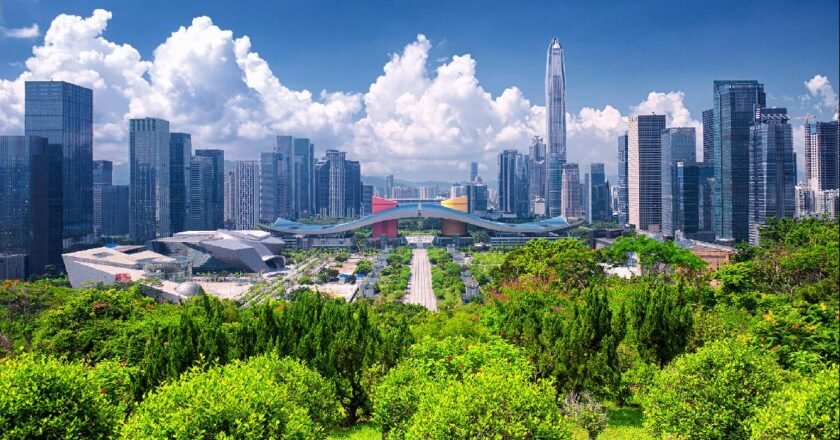
Shenzhen is a metropolis that is always changing. The population has never been accurately determined because of the constant influx of foreign businesses and migrant workers into and out of the city; estimates range from a little over 8 million to more than 14 million. Shenzhen, which has a considerable population of foreign professors and investors, is a high-tech metropolis with a developing skyline of China's most cutting-edge buildings, a quick metro system, and a wide variety of international restaurants and upscale cocktail bars. Shenzhen is neatly separated into seven administrative districts, three of which were just formally included in the cityscape in 2010. This is due to the fact that Shenzhen was created effectively over the last forty years. It is simple to understand wh...
Beijing | Exploring the neighborhoods of Beijing, China
Destinations

Beijing | Exploring the neighborhoods of Beijing, China

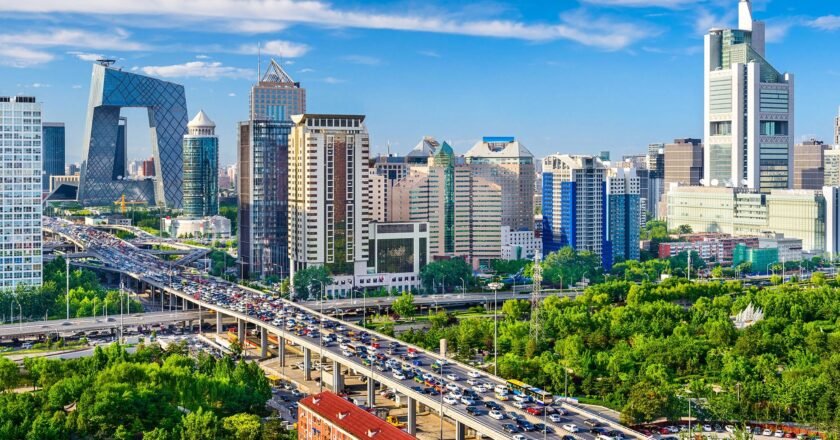
The oldest districts of Beijing are still home to thousands of hútòngs, narrow streets or alleys where houses are purposely built to form squares or rectangles in order to create a type of traditional courtyard. Hútòngs were the city's capillaries and were essential to its day-to-day operations. They served as the primary channels for the dissemination of information, the exchange of goods, and the habitation of the vast majority of people. Hútòngs are distinguished by their gray shingled roofs and winding streets. Historic District Since most of the skyline in this historic neighborhood is made up of large attractions, neither its residential nor business density is particularly high. The picturesque Dà Zhà Lán (Dazhalan Alley), a former slum that has undergone major renovation an...
Nagoya | Exploring the neighborhoods of Nagoya, Japan
Destinations

Nagoya | Exploring the neighborhoods of Nagoya, Japan

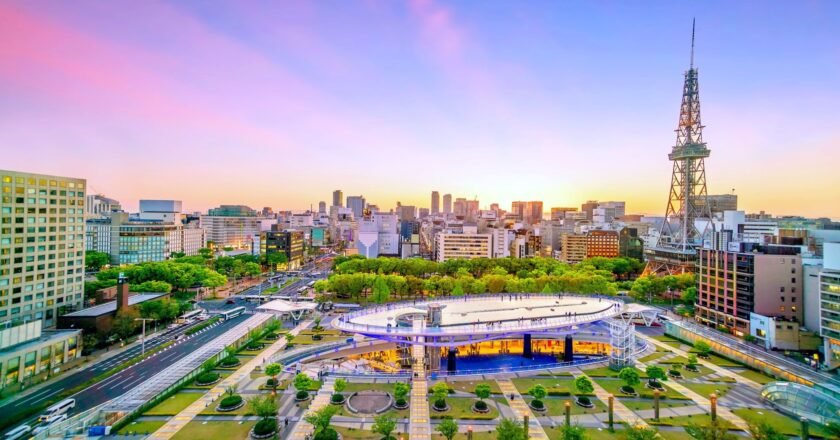
Visitors can experience a rich, eclectic fusion of the ancient and contemporary in Nagoya. Despite being the fourth-largest city in Japan, it rarely receives the huge numbers of visitors that the top three tourist sites receive every year. Although it could seem like a drawback, this fact presents fantastic opportunity to the intelligent visitor willing to venture outside of those must-visit locations. In reality, those who take the time to explore Nagoya will find a city with architecture that matches that of any other city in Japan, as well as one of the most venerated temples in the nation. Nakamura-ku Nakamura-ku, the hub of Nagoya, is where all the main trains and metro lines meet. This area is teeming with shops and business establishments, and there are several hotels here wh...
Busan | Exploring the neighborhoods of Busan, South Korea
Destinations

Busan | Exploring the neighborhoods of Busan, South Korea

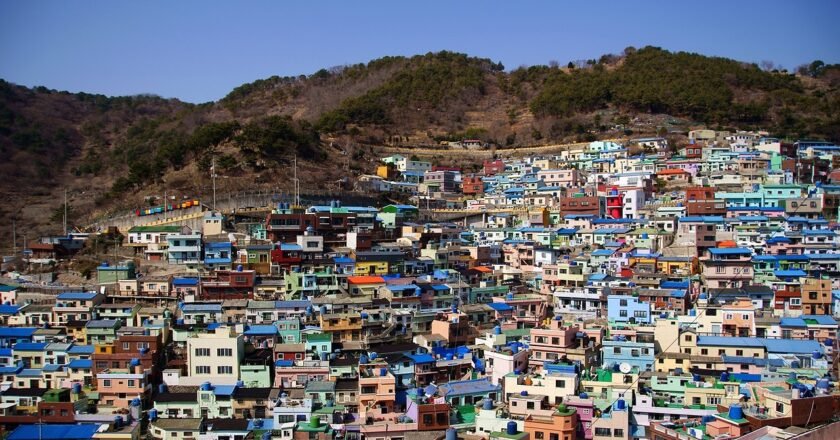
Busan has a unique terrain that is unmatched by any other city in Asia or probably the entire world. Its southern harbor is defined by a mountain crest, and its southeastern borders are home to some of the best beaches in the nation. The city is situated within an amphitheater-like valley. There are two harbor areas: one in the south that is a little rundown and an older one; the other in the east that is bigger and used for container shipping. The city is made up of a single gun (county), which is divided into 15 gu (districts) and covers an area of 766 square kilometers (296 square miles). The three-line metro is your best bet for getting around the city because it connects to the key tourist areas quickly and is inexpensive. For sights not served by the subway, you will also need to...
Fukuoka | Exploring the neighborhoods of Fukuoka, Japan
Destinations

Fukuoka | Exploring the neighborhoods of Fukuoka, Japan

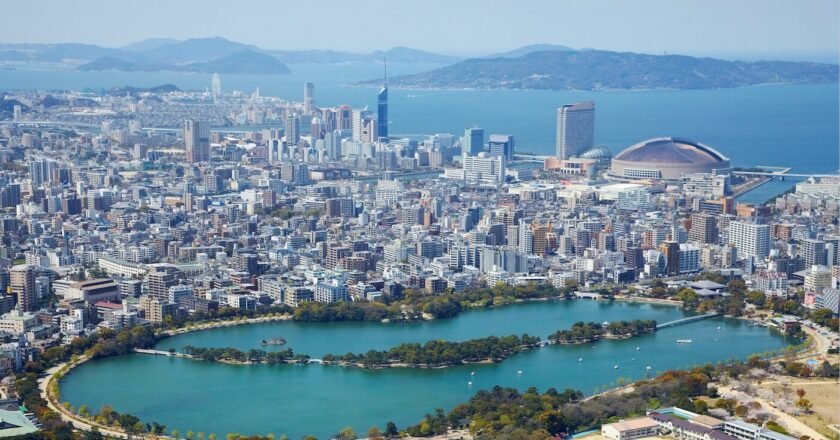
Fukuoka is a quintessential Japanese city, where age-old Japanese tradition co-exist with the glitter of modern Japan. Only a little portion of pre-20th century Japan remains in Fukuoka, and there aren't many historic structures left in the city itself, but the city serves as an excellent example of how post-World War II Japan rose from the ashes. Hakata's post-World War II construction efficiency contrasts with Tenjin's more contemporary design and Momochi's artificial island's architecture. Overall, Fukuoka has aggressively embraced modernity while still retaining some of its old-world charm. Hakata Hakata was a commercial city in the late 1800s, close to the affluent samurai town of Fukuoka, before it became industrialized. The two cities were united to become the current city of...
Jeddah | Exploring the neighborhoods of Jeddah, Saudi Arabia
Destinations

Jeddah | Exploring the neighborhoods of Jeddah, Saudi Arabia

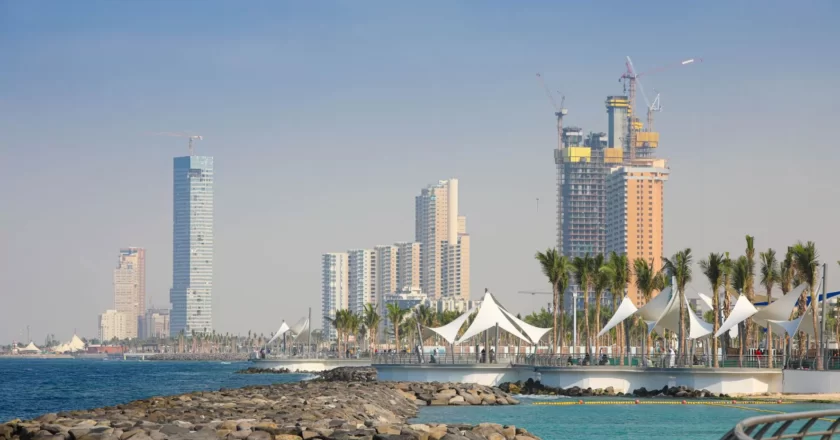
Jeddah is made up of well over a hundred districts that are dispersed inland toward Mecca and along the Red Sea coast. King Abdul Aziz Street, the city's primary north-south axis, spans from Old Jeddah in the southern end of the city and is filled with banks, stores, and restaurants. The city gradually becomes more contemporary as it stretches along Medina Road far to the north of Al-Balad, although slums border the city's north, east, and notably its southern edge. Al-Andalus Street, another important north-south route, runs parallel to Medina Road's west side, while the Corniche (Al-Kournaish Road) extends far to the north, from Jeddah Islamic Port to the ever-expanding northern fringes of town. The center of Jeddah's shopping scene can be found on the glittering midtown Tahlia Street, ...
Abu Dhabi | Exploring the neighborhoods of Abu Dhabi, United Arab Emirates
Destinations

Abu Dhabi | Exploring the neighborhoods of Abu Dhabi, United Arab Emirates

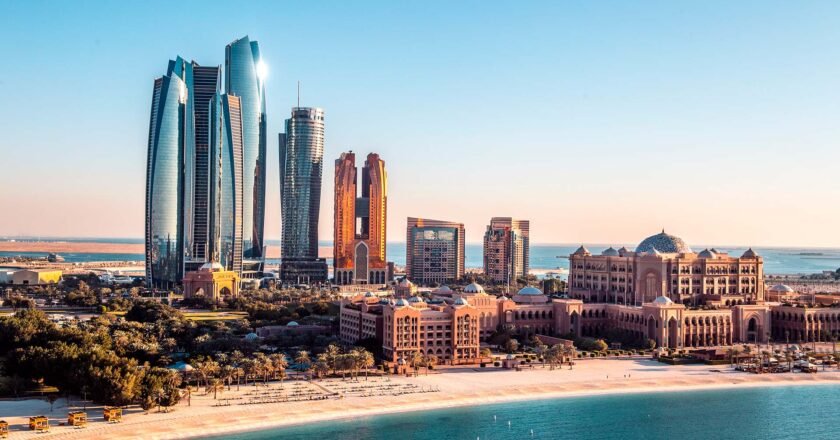
Since the discovery of oil in the United Arab Emirates in 1958, Abu Dhabi has developed into a sleek, highly developed, and hypermodern metropolis, drawing hordes of tourists. Abu Dhabi has come a long way from the 1940s, when British explorer Wilfred Thesiger described it as "a small dilapidated town along the seashore." The Middle East's largest success story's political and economic center is symbolized by its gold-domed palaces, curved skyscrapers, and tent-like retail centers. Abu Dhabi, like its rival Dubai, has benefitted from the boom by developing a compelling cosmopolitanism and, as a result, a wide variety of foods, languages, cultural activities, and media that would appeal to any tourist seeking diversity and plurality. The mainland is connected to the wedge-shaped isla...