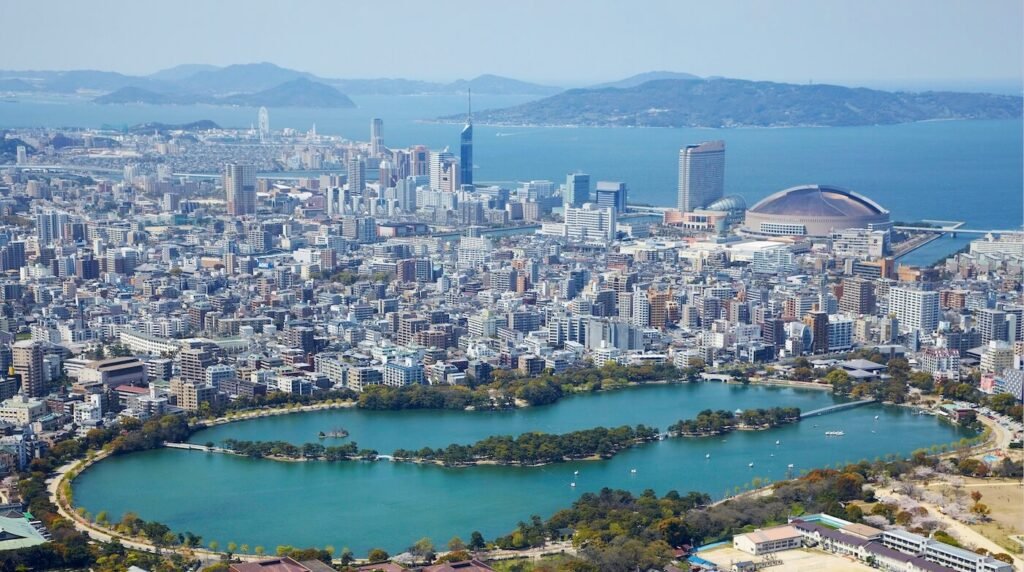
Fukuoka is a quintessential Japanese city, where age-old Japanese tradition co-exist with the glitter of modern Japan. Only a little portion of pre-20th century Japan remains in Fukuoka, and there aren’t many historic structures left in the city itself, but the city serves as an excellent example of how post-World War II Japan rose from the ashes. Hakata’s post-World War II construction efficiency contrasts with Tenjin’s more contemporary design and Momochi’s artificial island’s architecture. Overall, Fukuoka has aggressively embraced modernity while still retaining some of its old-world charm.
Hakata
Hakata was a commercial city in the late 1800s, close to the affluent samurai town of Fukuoka, before it became industrialized. The two cities were united to become the current city of Fukuoka during industrialisation, yet they remain distinct in many respects. Although it lacks the glitz of the Tenjin business sector, Hakata is alive with tradition and does occasionally show some sparks. Throughout the year, Hakata customs overshadow Fukuoka’s more contemporary neighborhoods during festival periods.
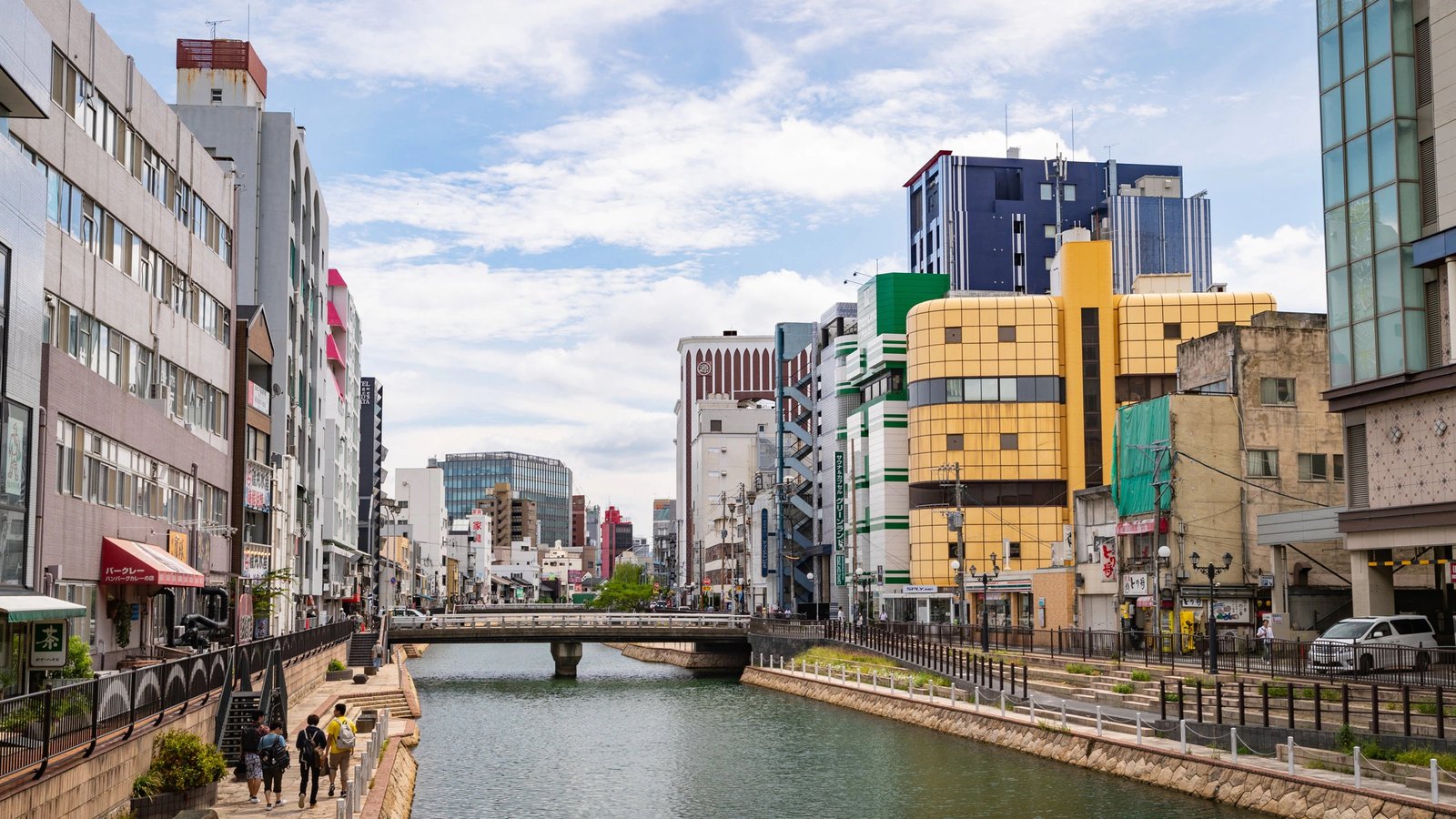
Despite being completely destroyed by fire bombs during World War II, Hakata has managed to hold onto its past as a center of craft. The renowned Hakata Ningyo (ceramic dolls) and Hakata-ori silk were created there. These renowned goods are still produced in the area today. Old Japan is evoked by Hakata Machiya Furusato’s whitewashed walls and gray roof. Visitors can peruse the local craft store while viewing weavers weaving Hakata-ori silk. The neighboring folk museum has additional Hakata items on display.
The oldest shrine in the city, Kushida Jinja, is located in Hakata. From July 1 through July 15, it plays host to the annual Yamagasa Festival. The festival’s climax is a race in which teams from several Fukuoka areas transport massive portable shrines—each weighing up to a ton—over a distance of five kilometers (3.1 mi). In the midst of the marathon, the streets are crowded with spectators, celebrants, and competitors who fortify themselves by consuming copious amounts of sake.
Nakasu
Even though it is technically a part of Hakata, Nakasu has a unique personality all its own. In reality, it is a tiny island that is located in the Naka-gawa (Naka River). Walking through Nakasu’s congested streets throughout the day, the neighborhood appears dirty and unattractive. However, the daytime doesn’t do it credit. Around 3,500 bars and clubs in Nakasu come alive with the setting sun. In addition to Fukuoka, Nakasu is renowned for its nightlife throughout the rest of Japan. Some people believe it even competes with Tokyo’s nightlife.
The nightlife of Nakasu is not limited to its clubs and bars; it also overflows out onto the streets in the form of the numerous yatai stalls, food carts that become crowded, rowdy gathering spots starting at six o’clock. to 2 a.m. A night out at the clubs is ideal to start or end with a meal at the yatai.
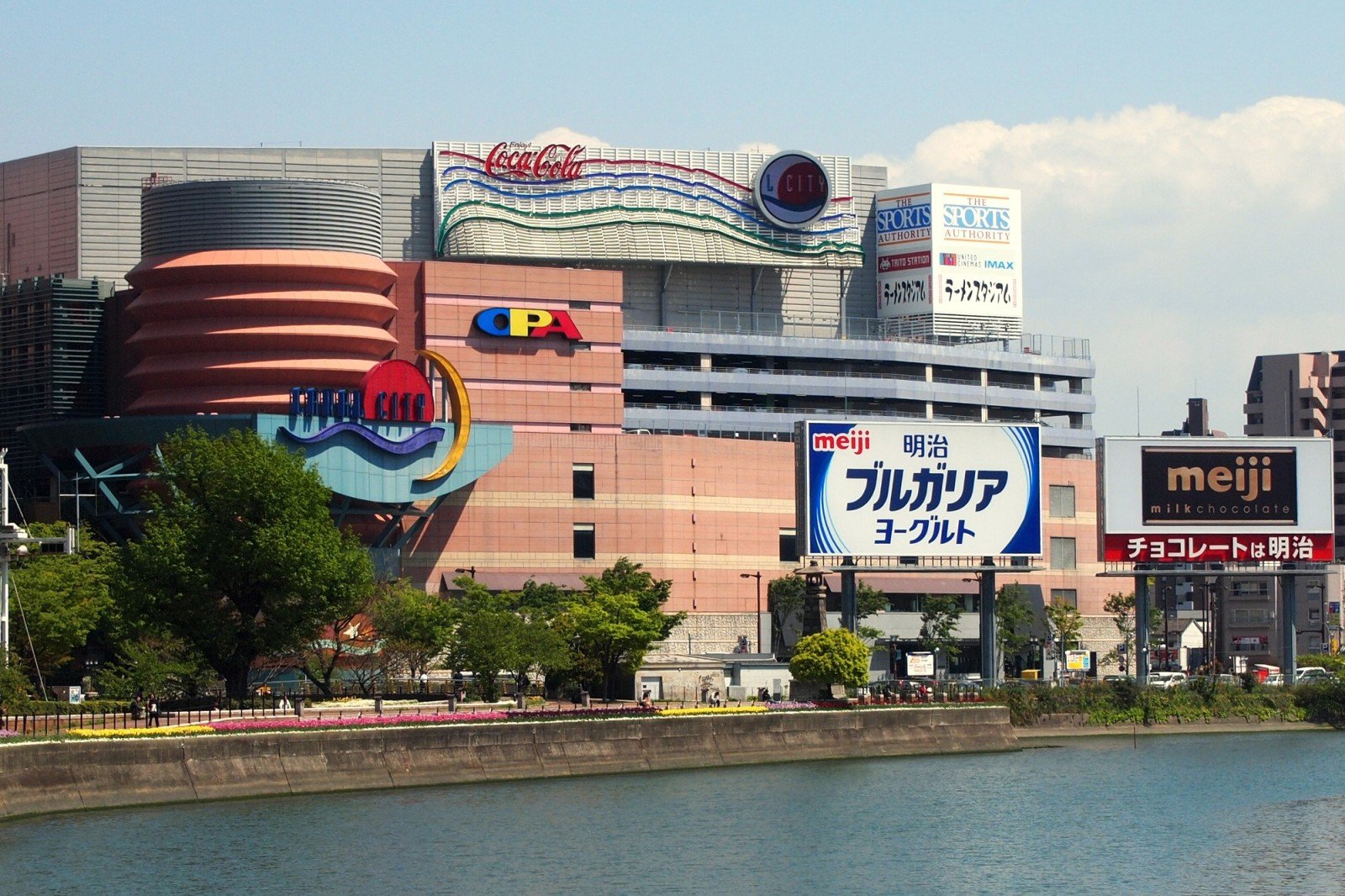
The futuristic Canal City, located at the southern tip of the island, stands out against the rest of Nakasu in sharp and contemporary contrast. In a modern, visually pleasing collection of structures, Canal City mixes leisure, retail, dining, and lodging. Water is the dominant theme of Canal City, as seen by the complex’s sweeping, curved architecture that mimics the canal that runs through its heart. The Sun Plaza, in the middle of it all, offers guests a place to unwind and catch shows by musicians, magicians, and acrobats.
Tenjin
Tenjin is a bastion of contemporary capitalism during the day. This area is home to some of the biggest malls in the city (though they should be classified more as “shopping skyscrapers” than malls). One of them is the IMS building, home to Rainbow Plaza, a crucial stop for visitors from abroad. In addition to other languages, Rainbow Plaza offers all the information a visitor or new resident could require. There are several restaurants and businesses on the street, and there is a shopping arcade next to the train station. Early in the evening, Tenjin’s streets are bustling with university students and office workers going out to clubs, many of whom are filling the aforementioned yatai food carts.
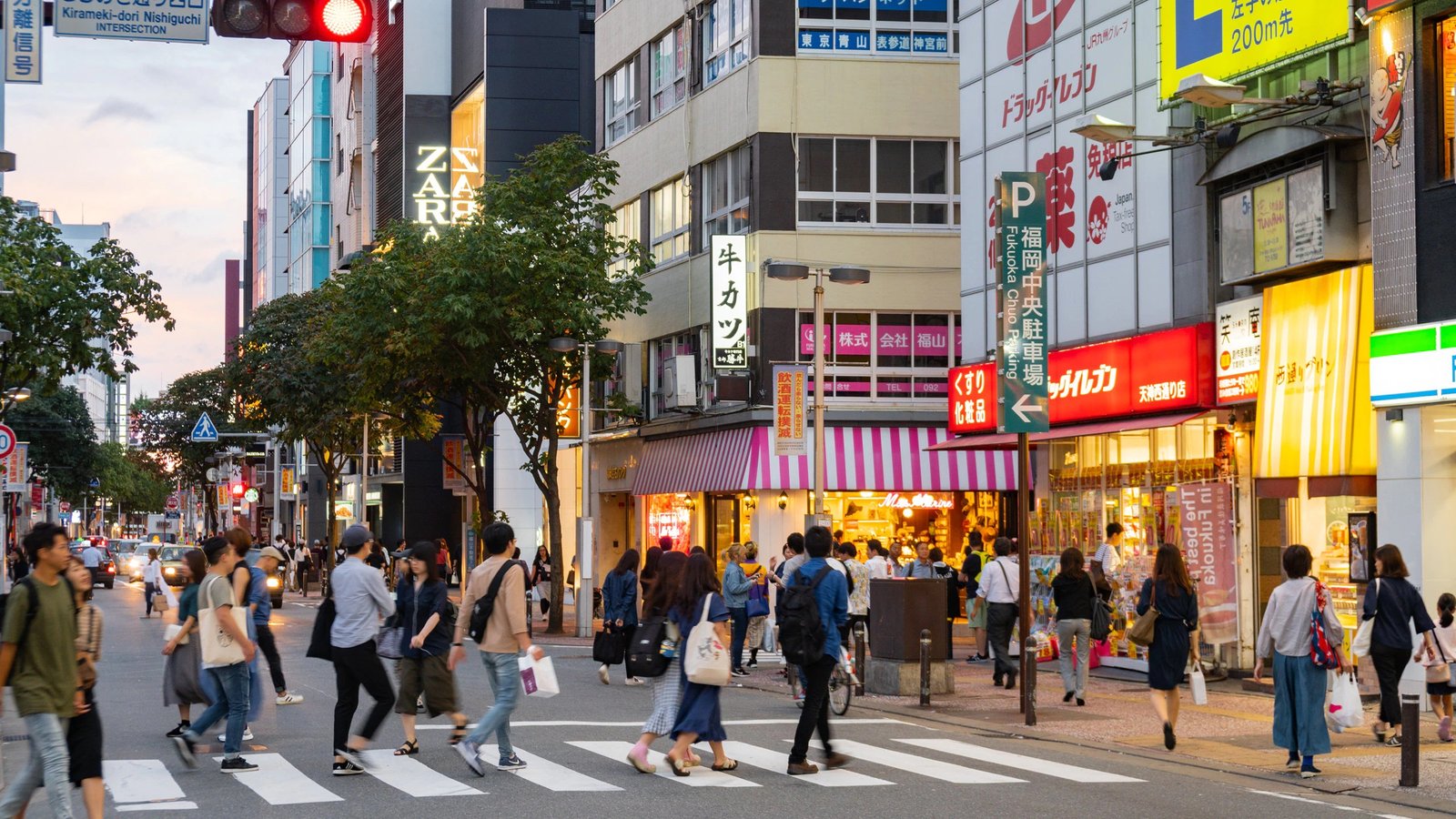
In the end, Tenjin symbolizes the multicultural heartbeat of Fukuoka. Business people congregate on the street with locals and tourists from other countries. Then there are Fukuoka’s renowned Hakata-bijin, women known for their beauty and sense of style. More than everywhere else in the city, this blend actually gives the impression of being elsewhere.
Momochi
Japan is a relatively tiny country, and the real area of land that is habitable is even smaller when the mountains are taken into account. Innovative strategies to improve Japan’s available space have resulted from this. There are restrictions on how far space can be raised up in the form of skyscrapers due to the constant threat of earthquakes, thus the Japanese have “built out” by figuratively creating more land.
Momochi is an artificial island that has been reclaimed from the sea and symbolizes Fukuoka’s fully modern side. It has one of the largest artificial beaches and coastal parks in Japan, and it was built for the 1989 Asian-Pacific Exposition.
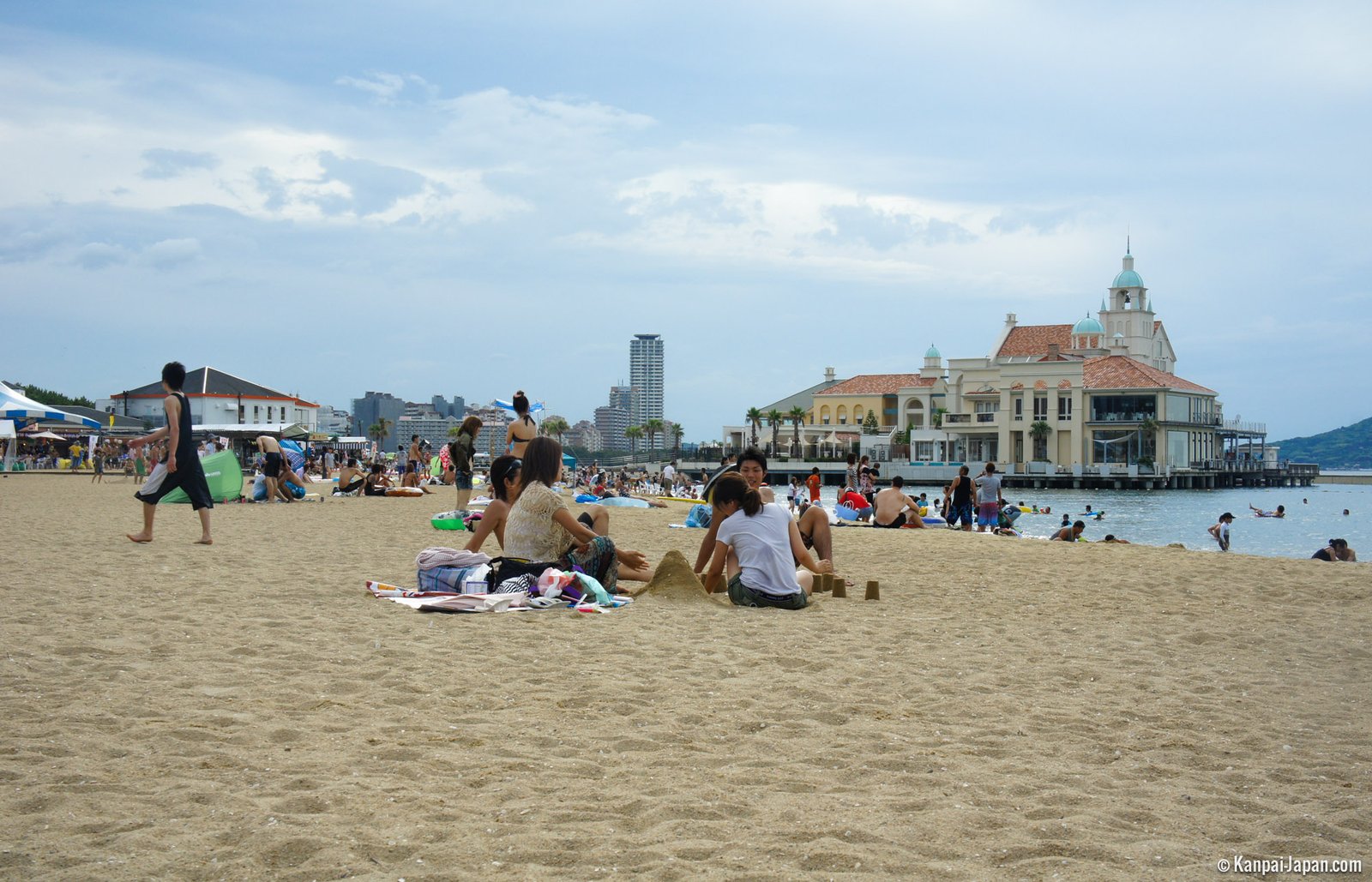
The Fukuoka Tower, which stands 234 meters (768 feet) tall, and the Fukuoka Dome baseball stadium are two of the city’s most identifiable features. The island is also home to many of the city’s most up-to-date high-rise apartments.
The Fukuoka City Museum has historical artifacts including an ancient gold seal called Kinin that was discovered in 1784 by a peasant for anyone who are interested in Fukuoka’s past. Kinin Koen, a park close to the museum, honors the seal’s finding.
Higashi-ku
Higashi-ku (Eastern Ward) is the educational hub of Fukuoka. It is home to schools like Kyushu University, the biggest university on the island and a popular destination for foreign students interested in studying in Japan. Additionally located in Higashi-ku, the bustling Hakata port upholds Fukuoka’s longstanding role as Japan’s principal gateway to the rest of the world.
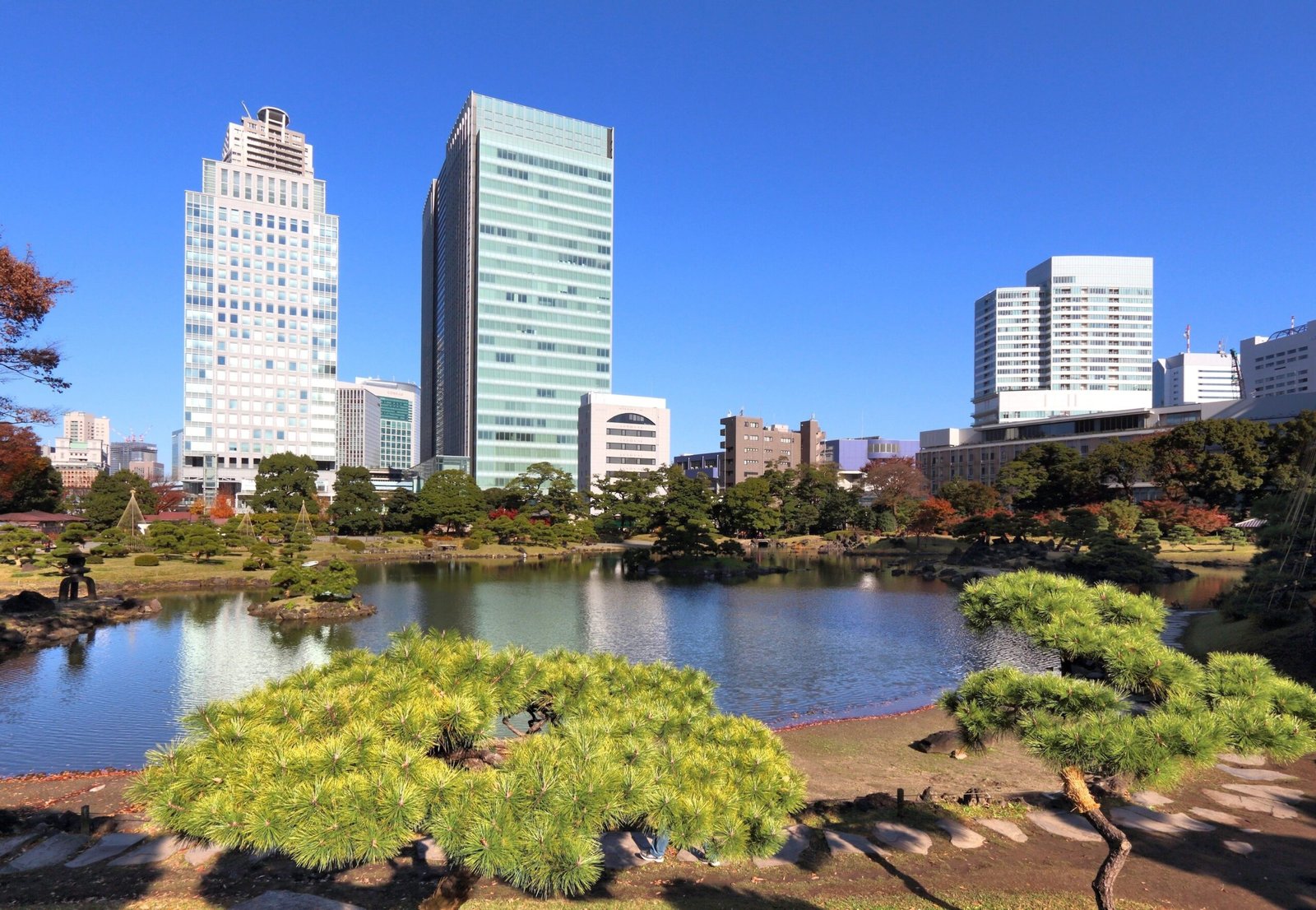
The three invasions of Japan by the Mongols began in Higashi-ku, but each attempt was thwarted by bad weather. An important temple in Higashi-ku celebrates the expulsion of the invaders. In addition to being significant historically, the Hakozaki Shrine is a nice site to pray for success in your pursuits. It was dedicated in 921 CE. An inscription purportedly written by Emperor Kameyama pleading with the god Hachiman to drive out invaders stands outside the Tower Gate of the shrine (who, at that time, were the Mongols).
In addition, Higashi-ku’s amusement parks, Space World, Marine World, and Uminonakamichi Seaside Park, provide more contemporary activities. Families, young individuals, and those who are no longer young can unwind here away from the hustle and bustle of the metropolis.