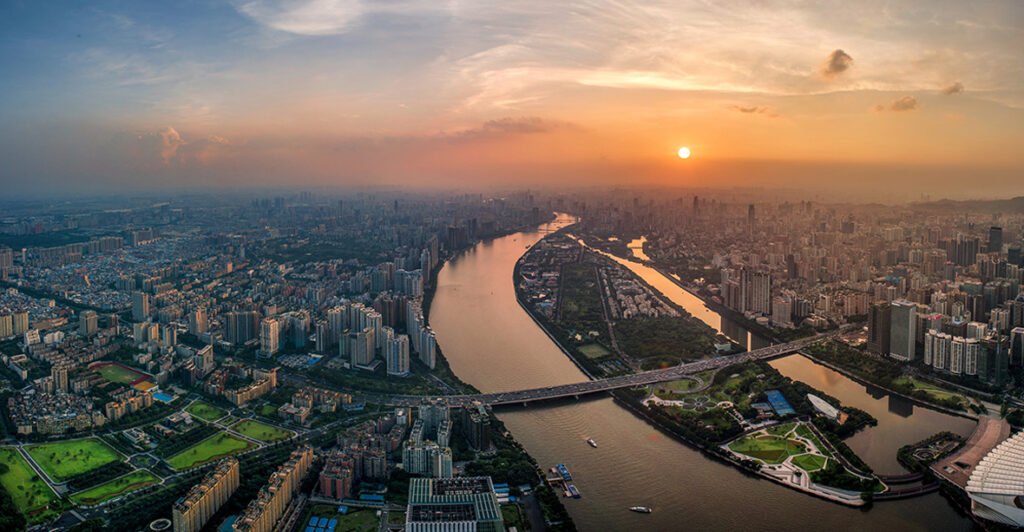
After Shanghai and Beijing, Guangzhou is the third most populated city in China. It is a large provincial capital with a long history of trade and foreign influence. Its Zhu Jiang Delta location and close proximity to Hong Kong contribute to its welcoming nature toward immigrants.
Guangzhou is divided into 10 administrative districts, starting in the old part of the city and extending outward in long arcs from the northeast and southeast. Some of the most remote districts are currently being transformed by the government into commercial and industrial hubs, rendering them unattractive to tourists. The more central parts of the city are where the majority of Guangzhou’s attractions, nightlife, and shopping are located.
Liwan
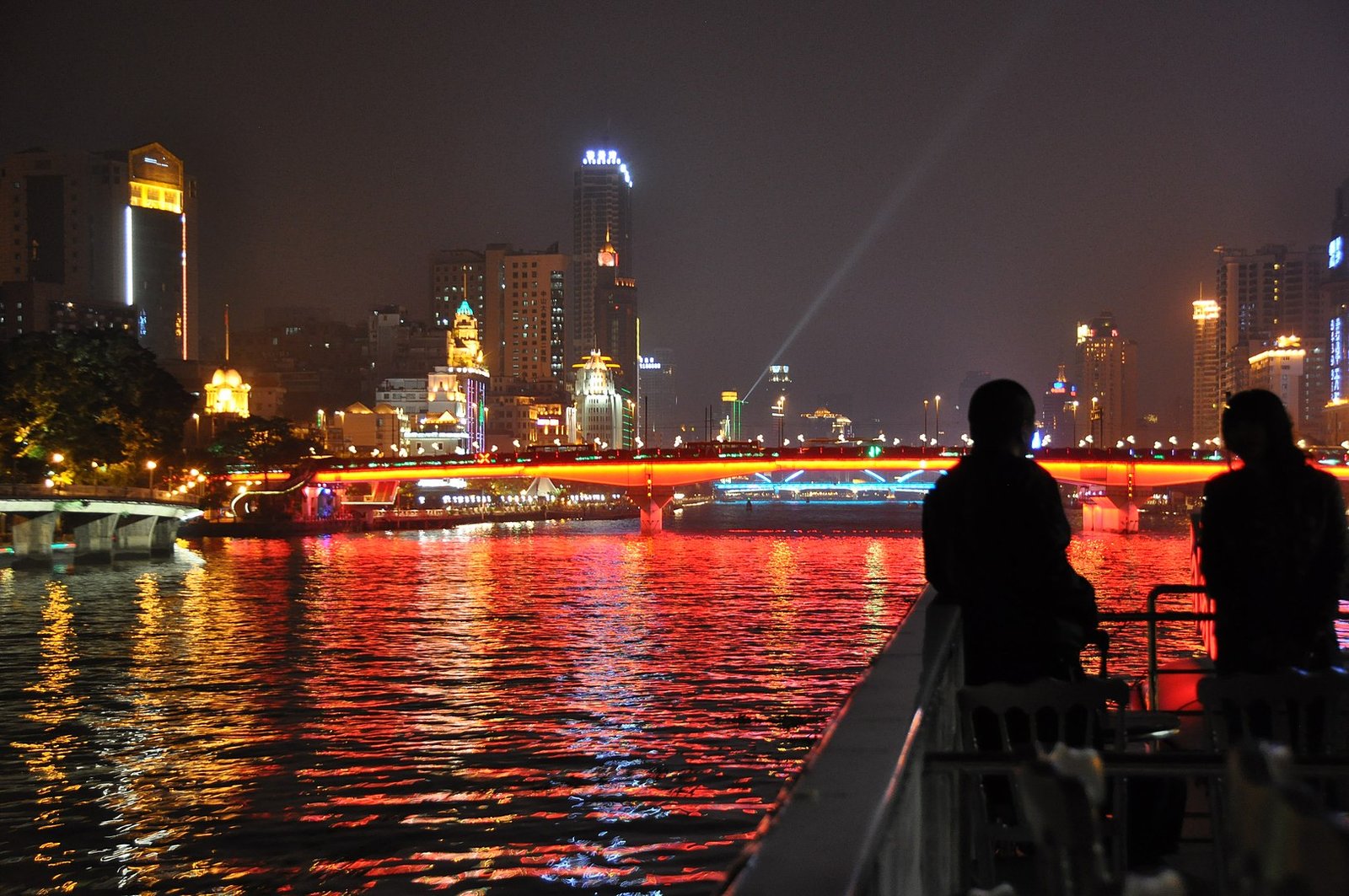
Although the Zhu Jiang divides Guangzhou’s city core into several smaller sections, Liwan remains at the center of it all. The historic heart of Guangzhou is located in this region, which has been inhabited for more than a thousand years and is home to the majority of the city’s attractions, dining establishments, and nightlife options. To the east is the Yuexiu district, while the Zhi Jiang flanks Liwan to the west.
Any traveler should start their journey in Liwan. While the back alleyways are home to a more unique selection of shopping options, several huge squares, like Shìjì Guǎngchǎng (Century Square), provide a variety of department stores and multi-story malls typical of China’s commercial cities. Numerous lanes along the well-known Shangxiajiu Lù (Shangxiajiu Road) have specific shopping themes, selling everything from footwear to exotic birds.
Don’t miss the district’s numerous historic and religious attractions, which include Huàlín Sì, the most venerable temple in the city, as well as Shāmiàn Dǎo (Shāmiàn Island), the site of many embassies from across the world, as well as the classic Cantonese mansions of Xīguān Dàwū.
Lìwān even has foods unique to the district. These include a special type of ice cream served at Shùnjì Bīngshì (Shunji Ice Cream Parlor) and a number of Cantonese-style diǎn xin (dim sum) snacks, such as yúntūn miàn (wontons) and zhōu (congee porridge).
Yuexiu
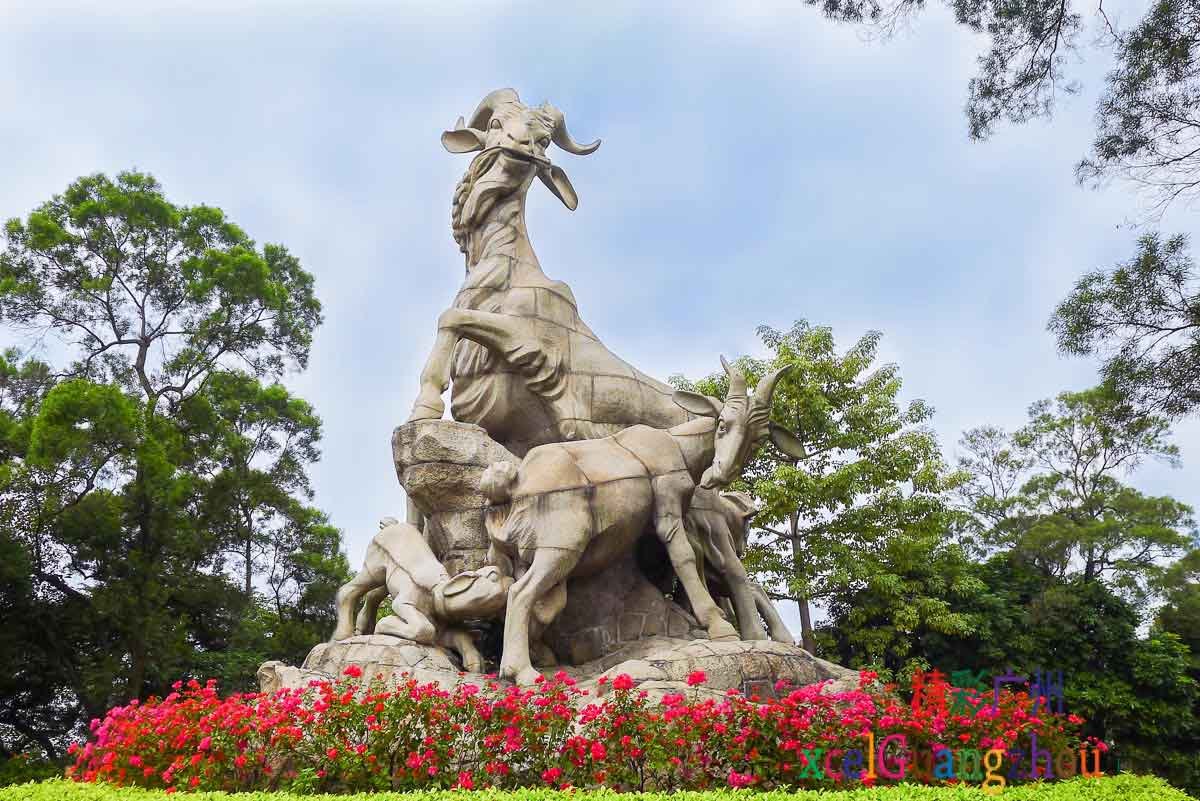
If Lìwān is Guǎngzhōu’s historic heart, then Yuèxiù is its intellectual brain. This area, which is located to the east of Liwan, is home to the majority of Guangzhou’s academic institutions as well as its municipal and provincial political offices. You should visit Yuèxiù to learn about much of the city’s Communist past as well as a number of significant open areas because of its distinctive nature.
Yuèxiù is home to several of Guangzhou’s top universities and schools, giving the neighborhood an academic atmosphere along with large campus areas and a plenty of students. Unsurprisingly, Guǎngzhōu Túshūguǎn (Guǎngzhōu Library) is located in the center of Yuèxiù.
Guangzhou’s main public park, Yuèxiù Gōngyuán (Yuèxiù Park), is located in the lovely northwest corner of Yuèxiù. Beautiful gardens, numerous ponds, and the Guangzhou Museum and Guangzhou Museum of Art are all located inside this expansive green area. One may easily spend the entire day exploring Yuèxiù Gōngyuán’s sights while meandering around the area’s numerous lush trails.
Haizhu
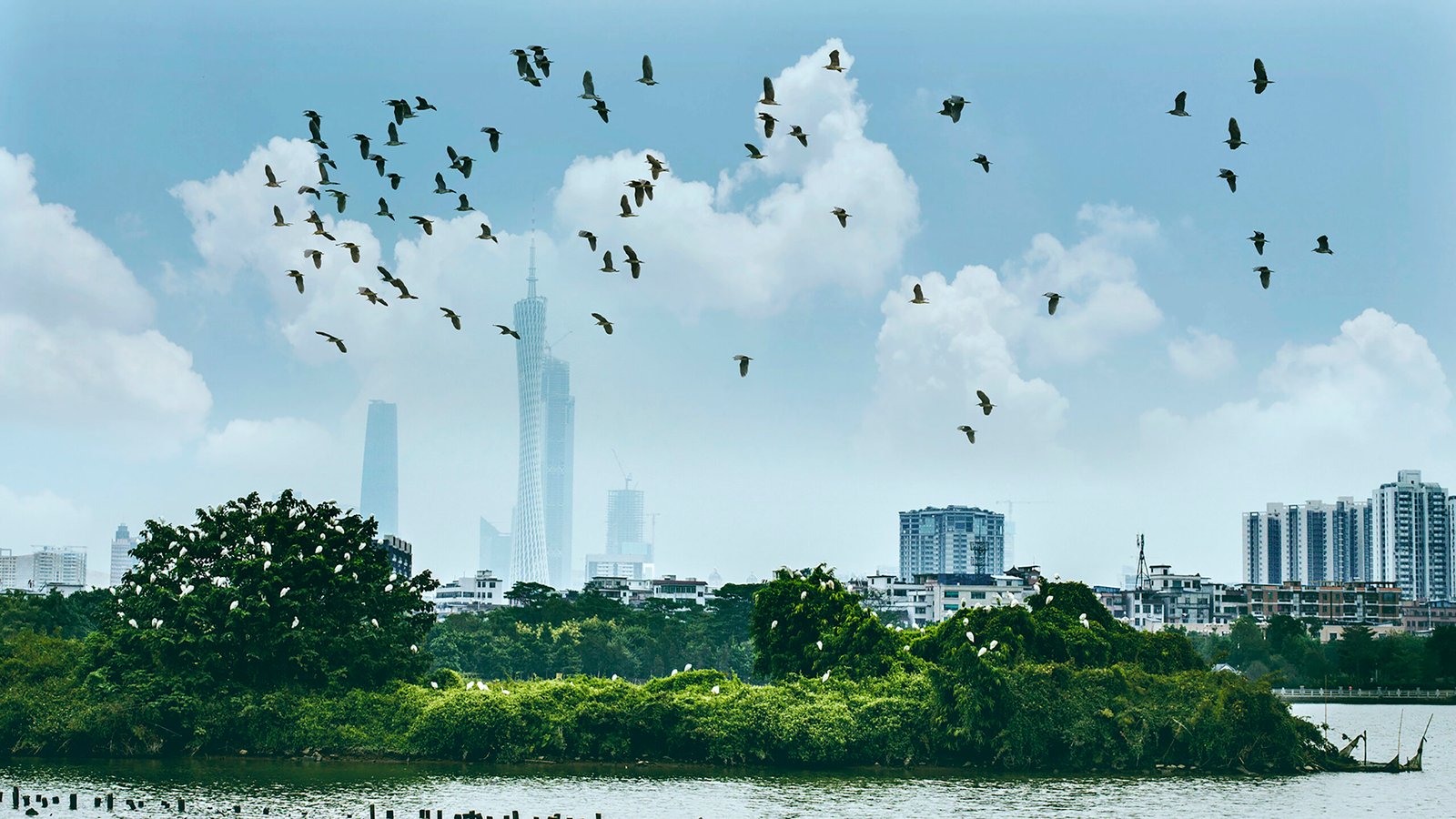
Residents often refer to the Hǎizhū as Hénán (south of the river). Less densely packed than the older neighborhoods of Lìwān and Yuèxiù, Hǎizhū features spacious avenues and glittering modern apartment towers that give great views of the river. As a result, it has grown into the most expensive neighborhood in the city.
This neighborhood is one of the most representative of the “New China” because of the shiny new structures and posh streets that go along with them; if you want to see how Guangzhu’s burgeoning middle class lives, this is the spot to spend some time.
Haizhu and Yuèxiù are competitors when it comes to academic institutions . Zhongshan University, also known as Sun Yat-sen University in honor of its founder, and the Guangzhou Academy of Fine Arts are located there. The old Xinjiào Zhèn (Xinjiao Town), known for its orchards and now maintained in a sizable ecological park, is also located inside the Haizhu.
Tianhe
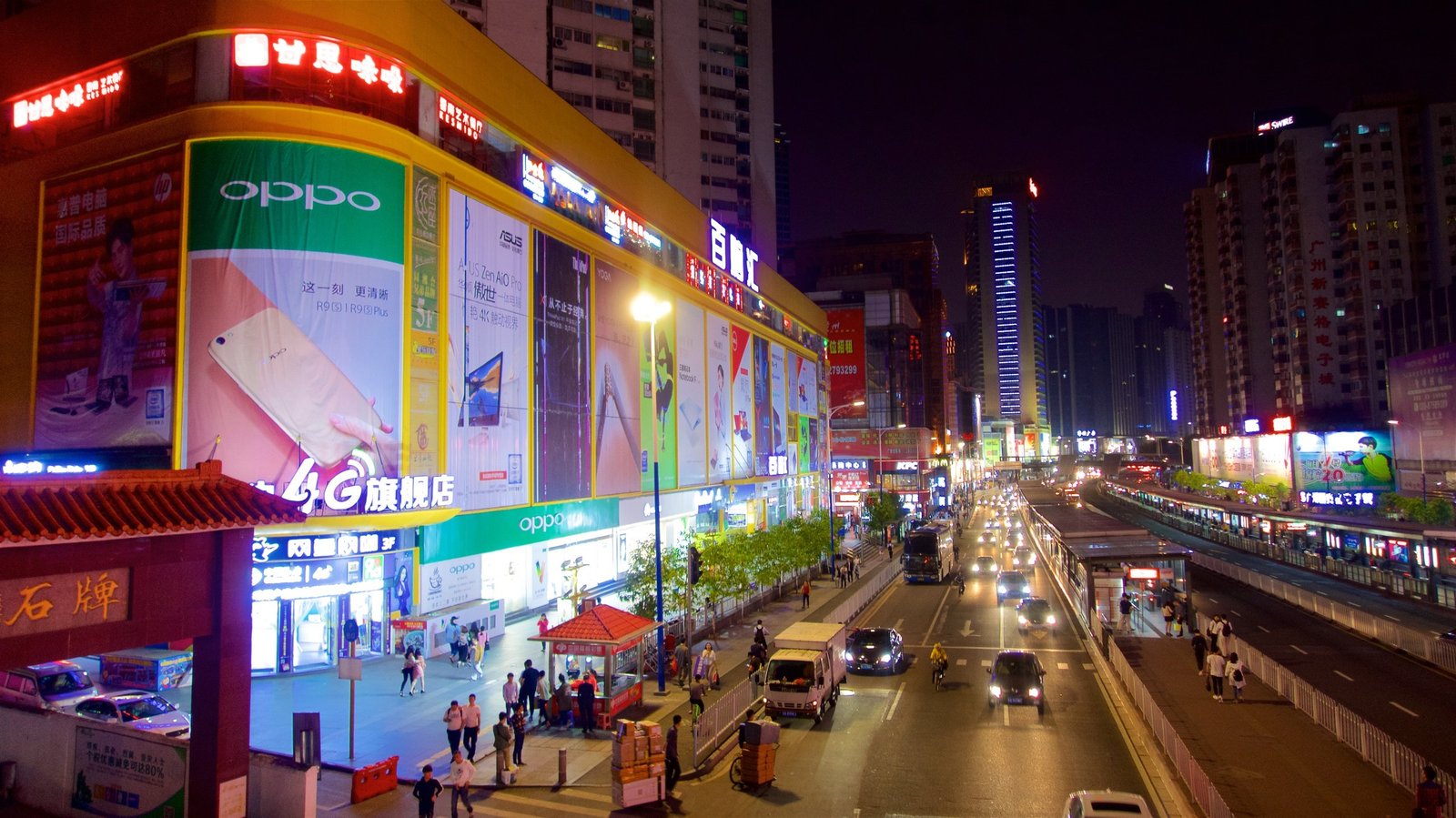
Skyscrapers and high-tech businesses abound in Tiānhé (Sky River), which encompasses Guangzhou’s contemporary commercial district. Tianhé’s tale provides a microcosmic view of China’s current growth. The district was primarily made up of rural homesteads and rice farms until the 1980s. The Tianhé Sports Center was then built here in 1986 to serve as the venue for the Sixth National Games, and the Guangzhou East Railway Station soon after. Tianhe started to get noticed.
Twenty years later, the neighborhood had grown significantly, adding more tall structures. The Guangzhou High-Tech Industrial Development Zone, which was built in this area in 1991, helped to nurture a tech industry that is still flourishing today. Even the Internet behemoth Google has a location here.
East of Yuèxiù, Tianhé spreads out and is distinguished by a skyline that is constantly being congested by an increasing number of towering structures. There are also many hotels, eateries, and pubs in Tianhé that mostly serve tourists and business travelers.
Baiyun
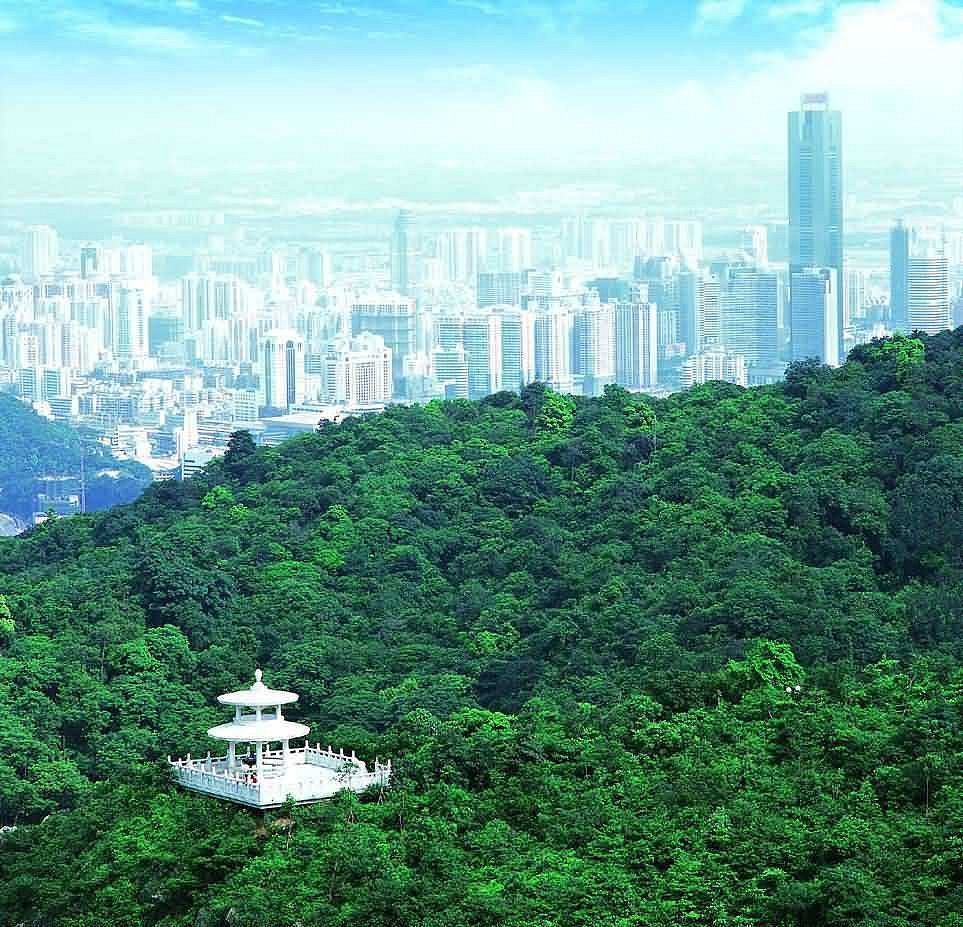
The aptly named Báiyún (White Cloud) stretches north from Yuèxiù and serves as the lungs of the city. The area is crowned with Báiyun Shan (White Cloud Mountain), a mountain range that spans 28 square kilometers (10 miles) and has about thirty distinct peaks. The poetically called Móxīng Líng (Star-brushing Ridge) is the highest of these, and it is no accident that many Chinese poets have gone to Báiyun Shan to reflect and write. The mountains here offer breathtaking views of the city, a variety of outdoor activities to please nature enthusiasts, and a much-needed break from the smoggy Guangzhou air.
The development of this sizable district has only begun. Despite the fact that the Guangzhou Báiyun International Airport was essentially the primary attraction in Báiyun up until 2004 (when it was moved to Hudu), much of the area still has a fairly rural feel to it.
The area’s expansive land has allowed numerous universities and technical institutes to establish new campuses, and there are numerous areas where expatriate living is prevalent. Báiyun offers tourists an intriguing look at how China is changing as a result. Visitors can meet with locals who are not jaded by the hustle and bustle of Guangzhou’s city center in the region’s numerous villages and towns.