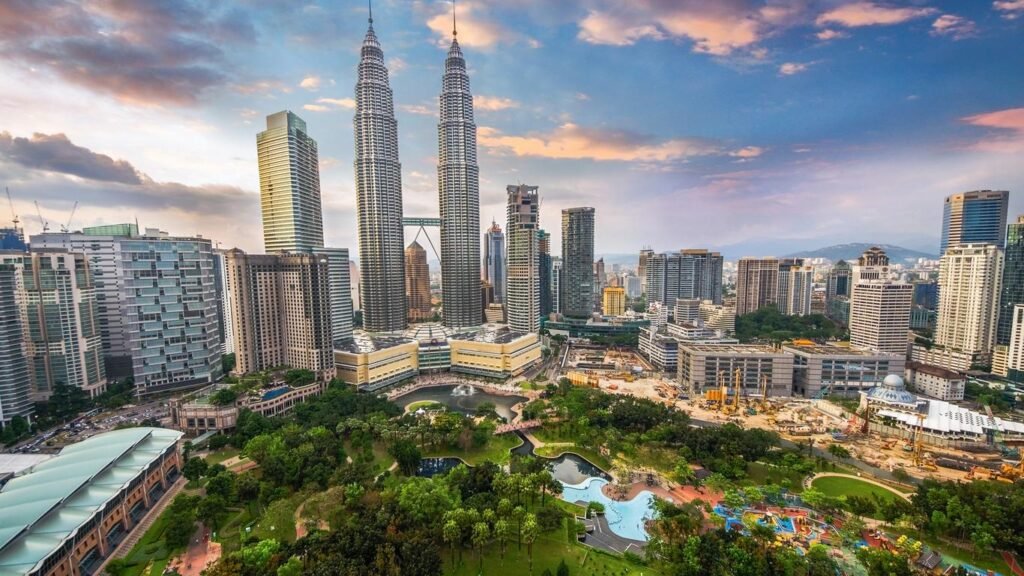
Typical of a contemporary, advanced metropolis, Kuala Lumpur has most of its important sights concentrated around the old colonial city, making it reasonably simple to traverse. There aren’t many tourist attractions outside of a two or three kilometer radius, with the major area of interest being bounded by Jalan Sultan to the north, Lake Gardens to the west, Jalan Sulaiman to the south, and KL Plaza to the East. Although it is inexpensive and convenient to use the metro system and cabs, walking about the downtown area is the best option. Most signage is in English, but it’s worth keeping in mind that jalan is the Malay word for “road.” The Light Rail Transit (LRT) and monorail lines will transport you straight to handy locations, including the enormous retail malls, if you do wish to travel farther.
Visitors to Kuala Lumpur tend to gravitate to the historical landmarks of Jalan Ampang, the cultural highlights of the Colonial District, the colorful stores and lively streetlife of Chinatown, the lush respite of Lake Gardens, the hi-tech entertainments of the Golden Triangle and its Changkat Bukit Bintang nightlife strip, and the curry restaurants and night market of Little India.
The Colonial District
After KL fell under the formal control of the British Empire in 1813, a massive building and rebuilding plan was implemented, and many of the beautiful buildings constructed at that time are still standing today. Merdeka Square, the beautiful fountain-lined centerpiece of KL, which is now thronged with tourists, began as nothing more than a cricket and bowls pitch. Presently, it holds street performances, big-screen soccer matches, and the annual Fourth of July celebrations, which feature music, military bands, pyrotechnics, and planes flying overhead.
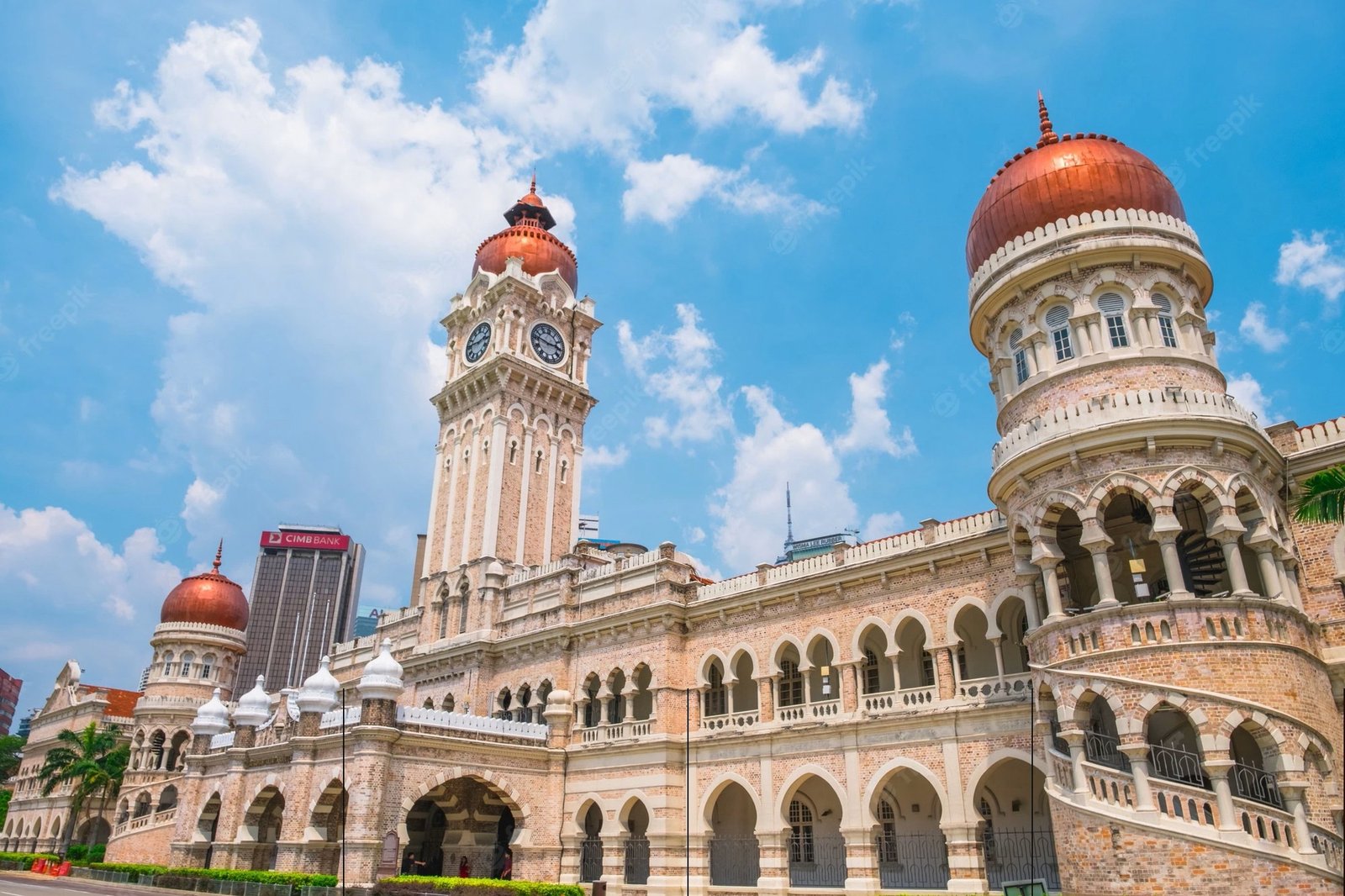
The Sultan Samad Building, one of the most distinctive structures in the city, is located to one side of Merdeka Square. It is an attractive combination of Sri Lankan turrets, European cupolas, and Indian colonnades. On the wide verandas, one can practically see the colonial gentlemen drinking gin and tonics. The Royal Selangor Club, the center of colonial social life with Tudor influences across the street, was severely destroyed by a fire in 1970 and multiple floods in the early 1900s. The first-ever flag-raising for an independent Malaysia took place in 1957 at the Selangor Club.
The seductive art deco beauty of Central Market was built in 1936 as part of ambitions to create a commercial focus that the city had previously been lacking, modernizing the Colonial District’s architecture by about 50 years. Street food sellers and the odd cultural show energize its quiet side streets, which are solely for pedestrians. Central Square, a much more modern establishment next to Central Market that houses a multiplex cinema, upscale eateries, and apparel stores, is nearby.
An region that encapsulates KL. is located north of here across Jalan Tun Perak. at its most multicultural. The two spires of the Catholic St. John’s Cathedral (1883), the gothic façade of the Anglican St. Mary’s Cathedral, and the Masjid Jamek (1907), the city’s oldest mosque and the work of English architect Arthur Benison Hubbock, are all within a few meters of one another (1894). Rarely does another location have such a wide range of forms and aesthetics.
From the Colonial District, Jalan Ampang (also known as Ambassadors Row) extends northeast, passing the palm-fringed Masjid Jamek on the left. The original owners of this exquisite and well-preserved row of homes were members of the commercial elite who acquired their fortunes in the late 19th century via mining, rubber plantation, and the production of automobiles and bicycles. With the exception of Tunku Rahman Hall, which was built with money from the rubber trade and features a spectacular East-meets-West style, the most of these buildings are currently home to various foreign embassies.
Along Jalan Ampang, there is a very distinctive area of the city. Bukit Nanas, a tiny area of undeveloped rainforest, is a remnant from the time before KL. Squirrels, snakes, monkeys, and monitor lizards are among its local fauna. A hilltop in the middle of it is home to the ultra-modern communications tower known as the Kuala Lumpur Tower.
Chinatown
There is a Chinatown in almost every major city on the planet, but few are as colorful, energetic, and enjoyable as Kuala Lumpur’s. Chinese workers originally arrived in KL. They needed a somewhere to dwell and relax during the early stages of the organization. Yap Ah Loy, known as the “godfather of Chinatown,” directed the development of opium dens, food shops, brothels, and drinking pits. Since then, the neighborhood has been cleaned up, but not at the expense of any of its vitality. Jalan Petaling’s main thoroughfare is signaled by the many red Chinese lanterns that hang above the shops selling counterfeit DVDs, watches, shoes, and clothing. Some of the best Chinese food courts, sidewalk eateries, and snack stalls in the world can be found amidst this somewhat nerve-wracking commotion.
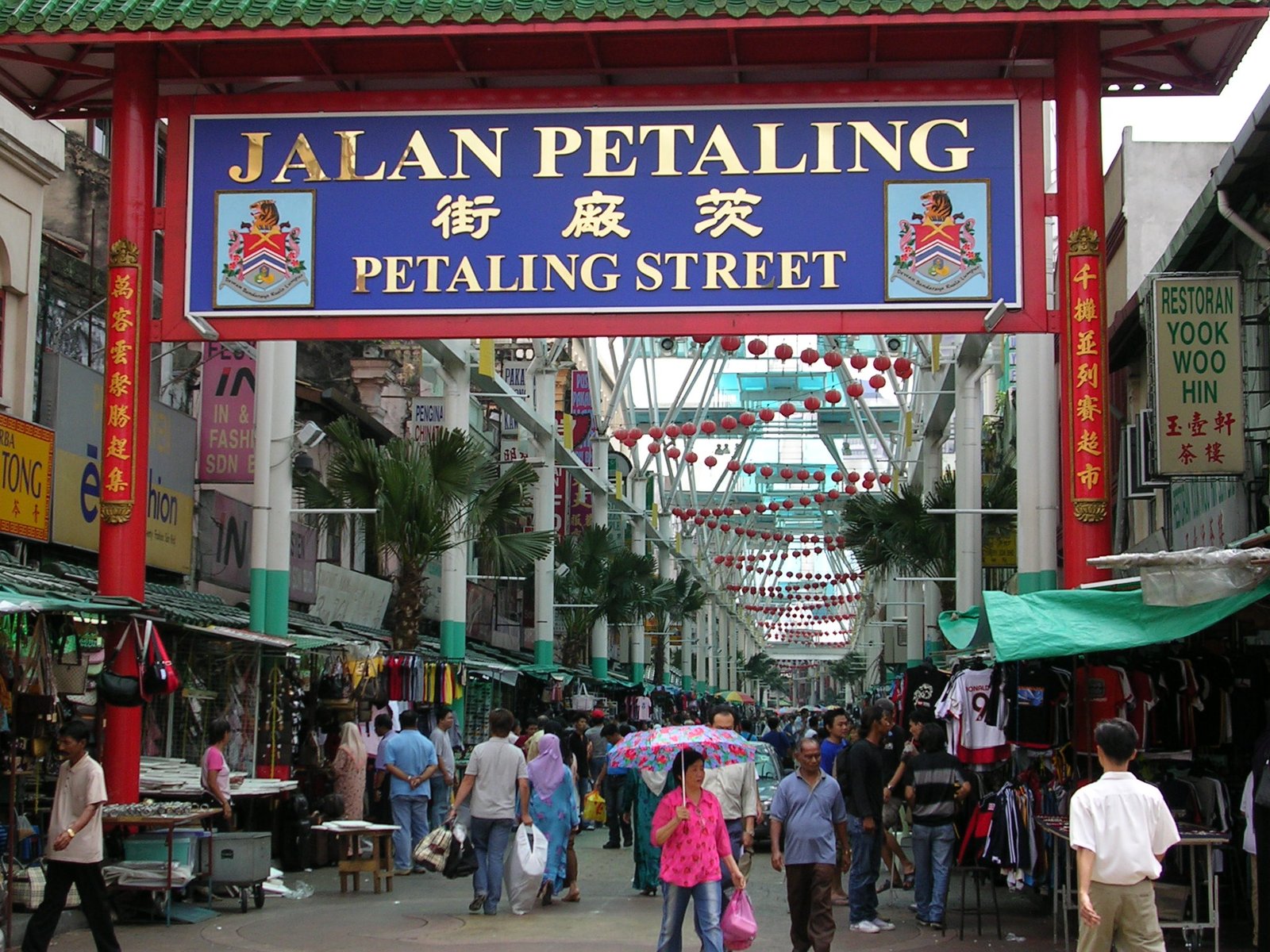
Chinatown will look like this at night. But throughout the day, innumerable little curiosity shops, Mandarin booksellers, herbal medicine shops, and teahouses bring its historical charm to life. Chinatown is without a doubt the area of KL where there are the most hostels, travel companies, and laundromats. most well-liked among vacationers. Chan See Shu Yuen, a southern Chinese-style temple known for its fascinating wave patterns, which marks out the far end of Jalan Petaling, completes the ambience.
Others contend that Jalan Tun HS Lee, which connects Jalan Cheng Lok and Jalan Kinabulu, is the actual historical center of Chinatown. It originally began as a roadway constructed with purposefully high foundations to protect against the possibility of monsoon flooding. This street is home to some of the city’s oldest businesses, which are small, weathered buildings with a lot to say about the struggles of earlier KL residents. Another unusual instance of cultural mingling may be seen in the Victoria Institution’s English country architecture and the Yap Ah Loy-founded Sze Si Ya Temple, which is only a few blocks from the vibrantly colored Sri Maha Mariamman Temple.
Little India
It’s fitting that the grandiosity of Kuala Lumpur’s Brickfields area, sometimes known as Little India, which was constructed in 1911 to British domestic engineering regulations despite its Moghul look, is inspired by India. Since Tamil laborers were originally sent over by the colonial authority in the 1880s to build a network of railway lines in the Malayan Peninsula, the station represents the beginnings of KL’s South Asian population. The location of a significant kiln for the construction of homes gave rise to the name Brickfields.
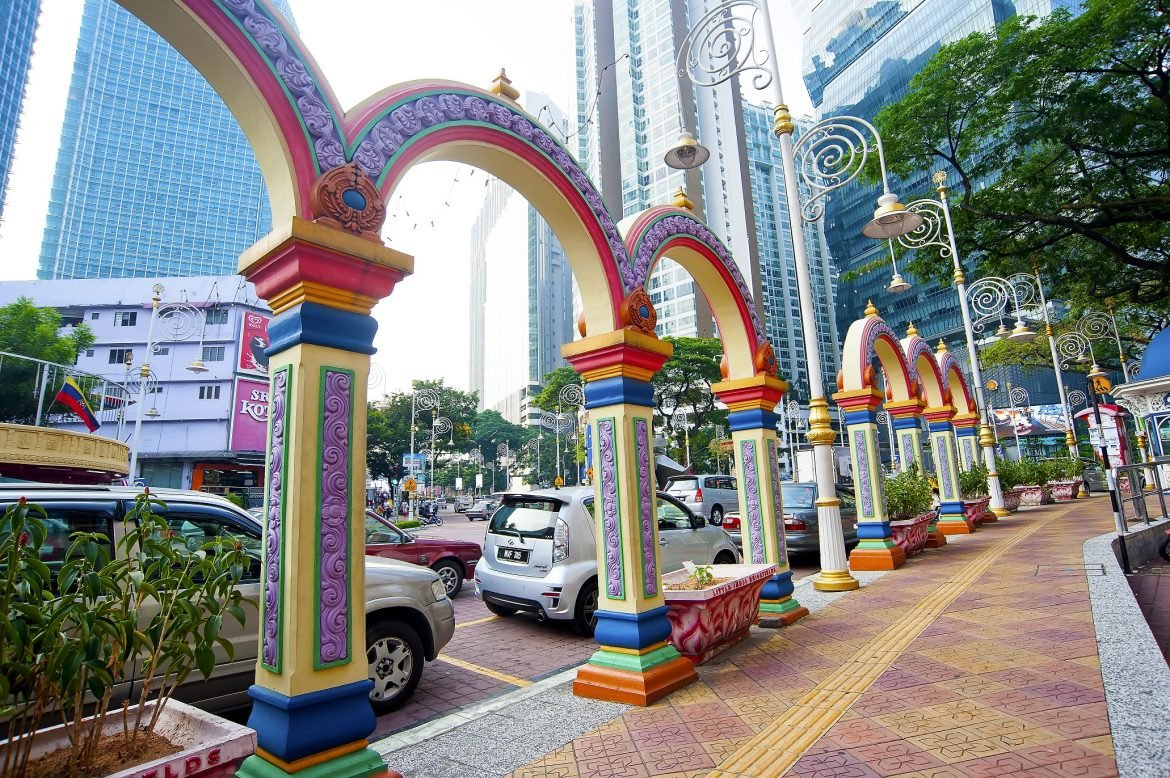
With its century-old colonial structures, including the YMCA, and an abundance of banana-leaf curry shops, Jalan Tun Sambanthan is arguably the area’s most recognizable thoroughfare. Little India is also home to a significant number of religious buildings, including the Buddhist Maha Vihara Temple, the elaborate Hindu Sri Kandaswamy Kovil on Jalan Scott, and the heart-shaped arches of the Lutheran Zion Church. Such structures provide a peaceful haven of calm amidst the noise and activity. Every Saturday night, Little India is transformed by the Night Market, when stubborn vendors sell spices, Indian halva candies, incense, and Hindu symbols.
Lake Gardens
Lake Gardens is the only substantial area of vegetation in Kuala Lumpur’s ultra-urban environment. It is situated at the western city boundaries and is bordered to the north and south by Jalan Parlimen and Jalan Damansara. Sir Alfred Venning, the colonial administrator, suggested the necessity for oxygen-producing plants and trees for the sake of the city’s health as early as 1886. It then began a two-year process of draining mangroves and reclaiming land. Today, we have stone-path routes winding across undulating hills and exquisitely groomed gardens filled with tens of thousands of kinds of native plants. To the north lies the Orchid Garden, a celebration of lovely hues and delicious scents.
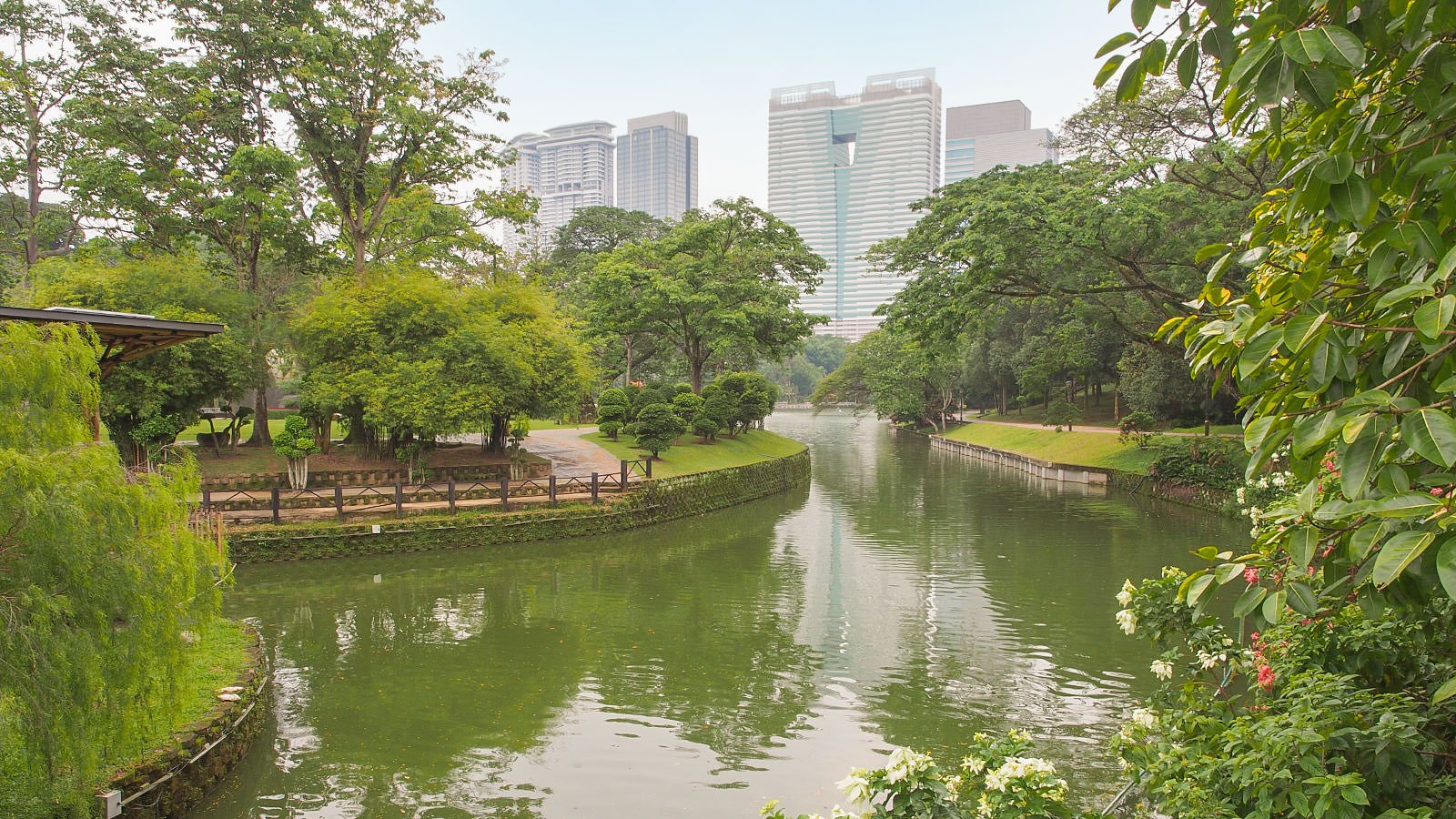
A boating lake in the south has a lovely natural jungle backdrop. Although Jalan Raja lies only a kilometer (less than a mile) to the east, you can still hear the sound of automobiles and airplanes, but Lake Gardens is a whole area of rural calm where Malays and Westerners alike jog, cycle, skateboard, and picnic all day. an 8-hectare (20-acre) KL Bird Park is a famous site all by itself. Its nets are strung throughout the treetops in what appears to be a massive scientific experiment. You enter a tourist-friendly educational and historical neighborhood as you reach Jalan Damansara since this is where the Muzium Negara (National Museum), Planetarium, and National Art Gallery are located.
The Golden Triangle
If KL’s Colonial District represents the city’s history, then the Golden Triangle, located in the east of the city, represents its present. Here, the LRT train zooms directly through the enormous KL malls. Neon brand signs flash over the night sky between Plaza and Bukit Bintang, while HD displays on the pavement broadcast live soccer matches and international news updates. The rapidly expanding middle class of KL spends hours here browsing the high-tech accessories and Western clothing, playing video games in the arcades, and dining at the many fine dining establishments. With its bohemian coffee shops, bars, galleries, and musicians busking on the neon-lit walkways, Bintang Walk portrays itself as Malaysia’s equivalent of Greenwich Village.
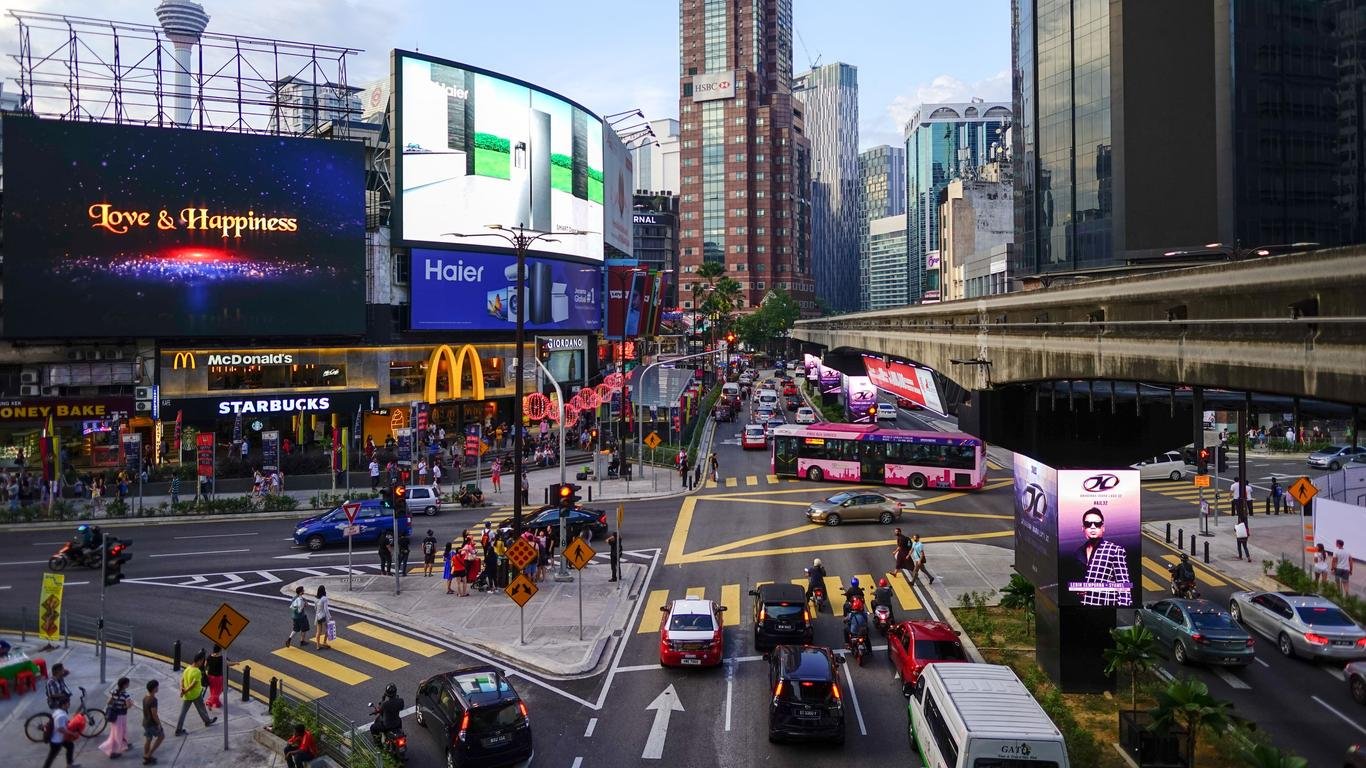
It doesn’t take long to see that Kuala Lumpur’s fascination with large structures is concentrated around the Golden Triangle. The Petronas Towers are the most famous landmark in the area, and while being built with Islamic and Malay architectural influences, they have the exquisite appearance of a rocket ship. The Skybridge that connects the skyscrapers only heightens their futuristic vibe. The Kuala Lumpur City Centre (KLCC), a brand-new complex that includes the Petronas Towers, is now characterized by lengthy queues of visitors.
Consider exploring a side street like Jalan Alor, which has been mostly occupied by street sellers selling a variety of exotic fruits, most notably the renowned aromatic durian, for something unusual. This soft fruit with a prickly peel has a strong garlic, cream cheese, and mango aroma that you either love or despise.
The high cost of alcohol in Malaysia, which is caused by legislation with Islamic influences, is a frequent complaint of visitors from the West. While alcohol may not be inexpensive, there is at least a variety of it available in the Changkat Bukit Bintang area, which is located in the extreme east of the Golden Triangle. This strip, which was just recently developed as Kuala Lumpur’s response to Leicester Square or Manhattan, features more than 30 different national cuisines represented in its restaurants as well as a variety of pubs, from karaoke lounges to American-themed bars.