
Visitors can experience a rich, eclectic fusion of the ancient and contemporary in Nagoya. Despite being the fourth-largest city in Japan, it rarely receives the huge numbers of visitors that the top three tourist sites receive every year. Although it could seem like a drawback, this fact presents fantastic opportunity to the intelligent visitor willing to venture outside of those must-visit locations. In reality, those who take the time to explore Nagoya will find a city with architecture that matches that of any other city in Japan, as well as one of the most venerated temples in the nation.
Nakamura-ku
Nakamura-ku, the hub of Nagoya, is where all the main trains and metro lines meet. This area is teeming with shops and business establishments, and there are several hotels here where you may rest your head after a long day. Numerous department stores and subterranean shopping arcades are available for shopping in the region.
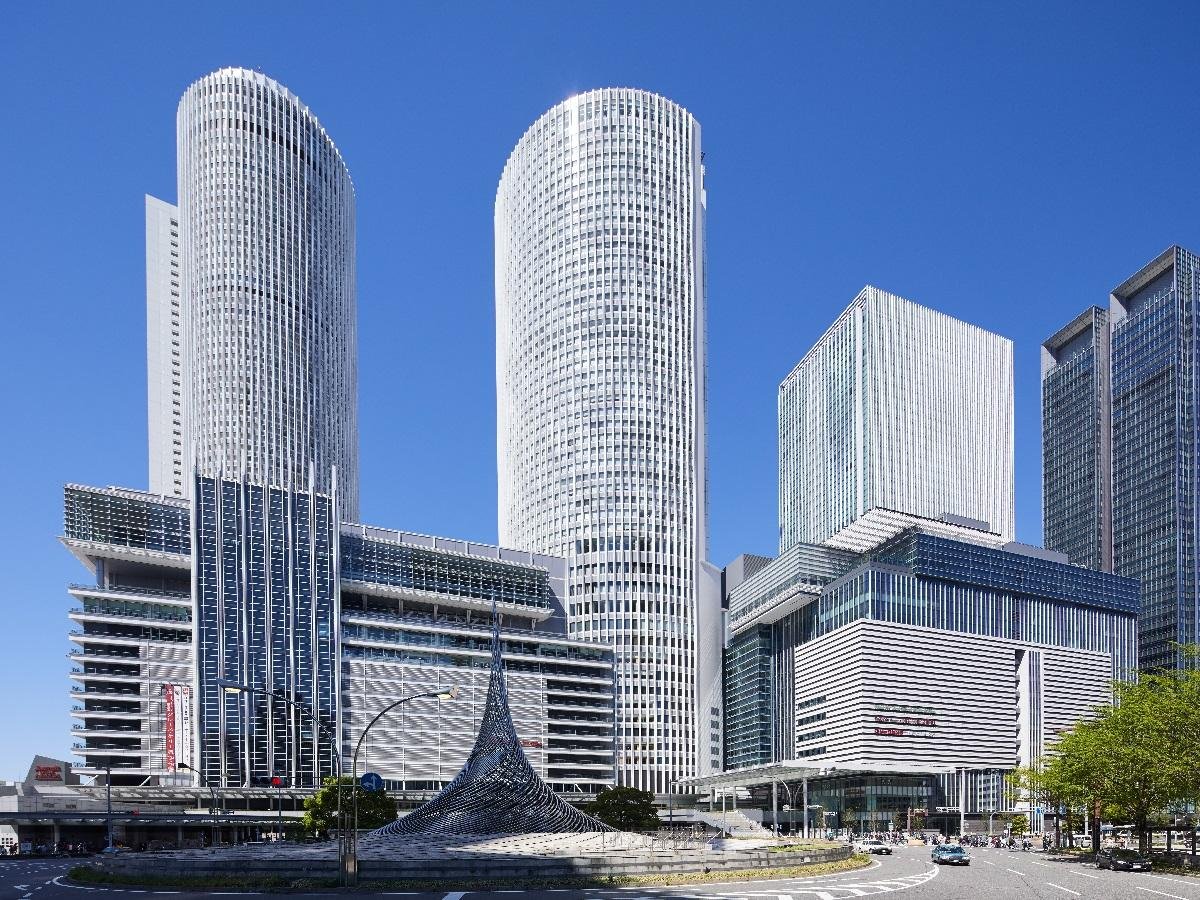
The magnificent 64-story JR Central Towers are without a doubt the focal point of Nakamura-ku. With Nagoya-eki train station as its foundation, this architectural achievement ranks as the biggest train station complex in the entire world. Along with the 53 stories of the Nagoya Marriott Associa Hotel, the Towers also contain 51 levels of office space. The skyscraper doesn’t stop there; it also includes the Tower Plaza shopping center, a Takashimaya department store, and numerous independent stores and eateries. At the very top of the tower, the Panorama Salon, which has a café, wine bar, beauty salon, and health spa, welcomes guests to unwind.
As it has some of the nicest lodgings in the city, Nakamura-ku makes a perfect base of operations for a visit to Nagoya. The Nagoya Kokusai Sentaa (Nagoya International Center), where tourists may find everything from travel tips to visa information, is also conveniently included.
Naka-ku
Since the area’s subway connection to the rail station in 1957, Nagoya’s Sakae district in Naka-ku has been the most well-liked neighborhood in the city. The fact that Matsuzakaya, Mitsukoshi, and Marui, three renowned Japanese department shops, are located in Sakae may contribute to its popularity. For those with some extra yen in their pockets, all three are fantastic places to get uncommon gifts.
Many of the city’s financial institutions can be found along Nishiki, along with other significant companies. As is customary in Japan, there are many venues to meet up with clients and coworkers for drinks. After hours, workers can be heard laughing as they unwind from a long day in the pubs, cocktail lounges, and cabarets.
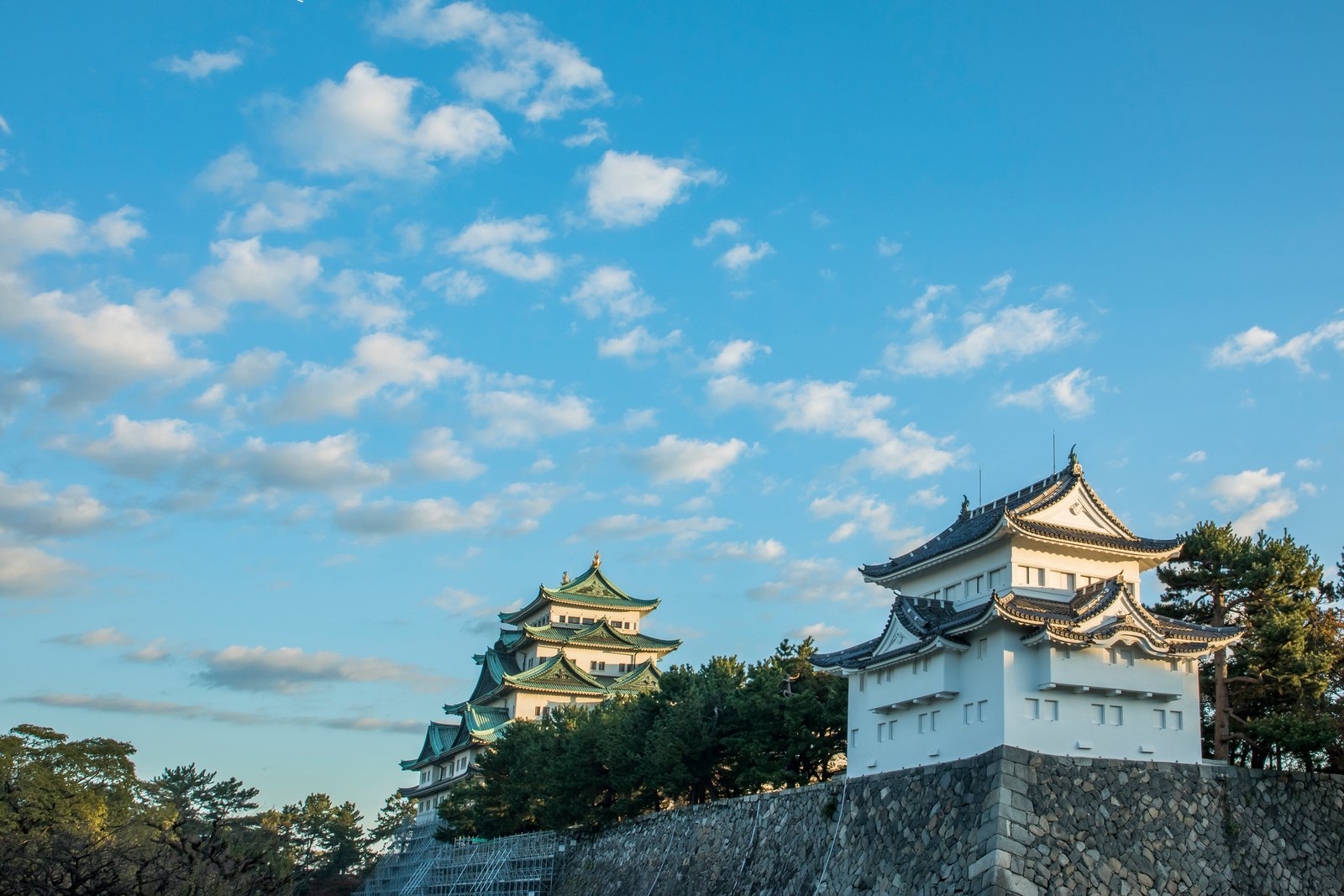
The impressive Nagoya-j (Nagoya Castle), which is located in Naka-ku area, is almost impossible to overlook. Nagoya-j, which stands 164 feet (50 meters) tall and hovers above the city, offers some breathtaking panoramic vistas. A large portion of the original structure was destroyed by American air strikes during World War II. The castle was rebuilt using ferroconcrete, like many other structures that met the same fate. The castle’s surroundings are made more majestic by the lovely gardens.
Naka-ku has other attractions if you want to take a vacation from work, bars, shopping, and the government. The Nagoya Nohgakudo (Noh Theater) is a must-see for fans of noh. This distinctively Japanese style of musical theater was created in the 14th century and has seldom changed since. The actors typically move to the sounds of traditional Japanese percussion and string instruments while donning elaborately crafted masks. A short comedic act called kyogen is also performed, as though to counteract the sincerity of Noh. A Noh performance typically consists of two Noh plays, separated by a kyogen. Even those who dislike theater frequently find it fascinating to watch this particular style of art.
From the center of the stunning and tranquil Hisaya Odori Koen, Terebi-t (TV Tower) stares out across Naka-ku Si. The tower is the oldest of its sort in all of Japan and was constructed in the 1950s. Additionally, it was the first to give guests access to an observatory balcony. Visitors must first ascend more than 400 stairs to a height of 180 meters (590.5 feet) above the streets of the Naka-ku district in order to reach the observatory balcony.
Atsuta-ku
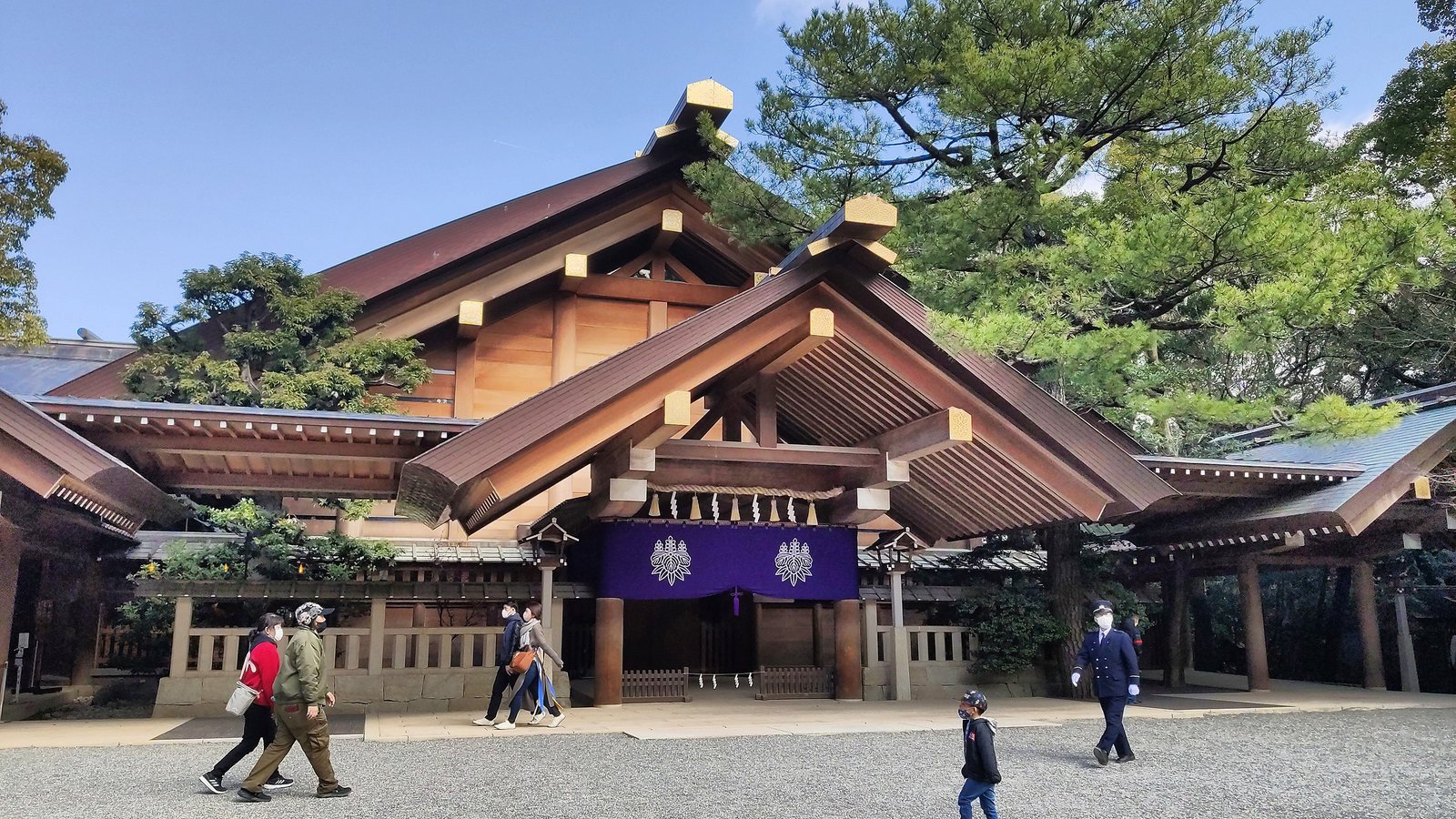
Due to the presence of Atsuta Jingu, one of the oldest and most revered of Japanese shrines, Atsuta-ku may be Nagoya’s most historically significant area. You might experience a time travel to an earlier Japan as you stroll among the historic structures on the shrine grounds. The Kusanagi no Mitsurugi, or Grass Cutter Sword, is one of the most significant items in the country and is kept at the shrine’s treasure house.
According to legend, Susanoo-no-Mikoto, the storm deity, plucked Kusanagi no Mitsurugi from the tail of a terrifying snake. Later, Susanoo gave the sword to Yamato-Takeru, the legendary hero. Many pilgrims travel here every year to pay their respects to this venerated relic, despite the fact that only the top Shint priests are permitted to see the sacred sword.
There are more than 70 festivals held at the temple each year, but on June 5th, Rei Sai will be extremely grand. Thousands of visitors go to the shrine grounds throughout the festival to take in the amazing sights, sounds, and aromas of a traditional Japanese celebration. Even though the festival is meant to be a time of reverence, the atmosphere is more carnival-like. Children carrying mikoshi, or portable shrines, march in groups to the sounds of traditional drum and flute music. Around the shrine grounds, there are other additional events and performances, many of which include musicians, dancers, and acrobats. Of course, no Japanese festival would be complete without the stalls offering the country’s distinctive masks, amusements, and mouthwatering grilled fare.
Chikusa-ku
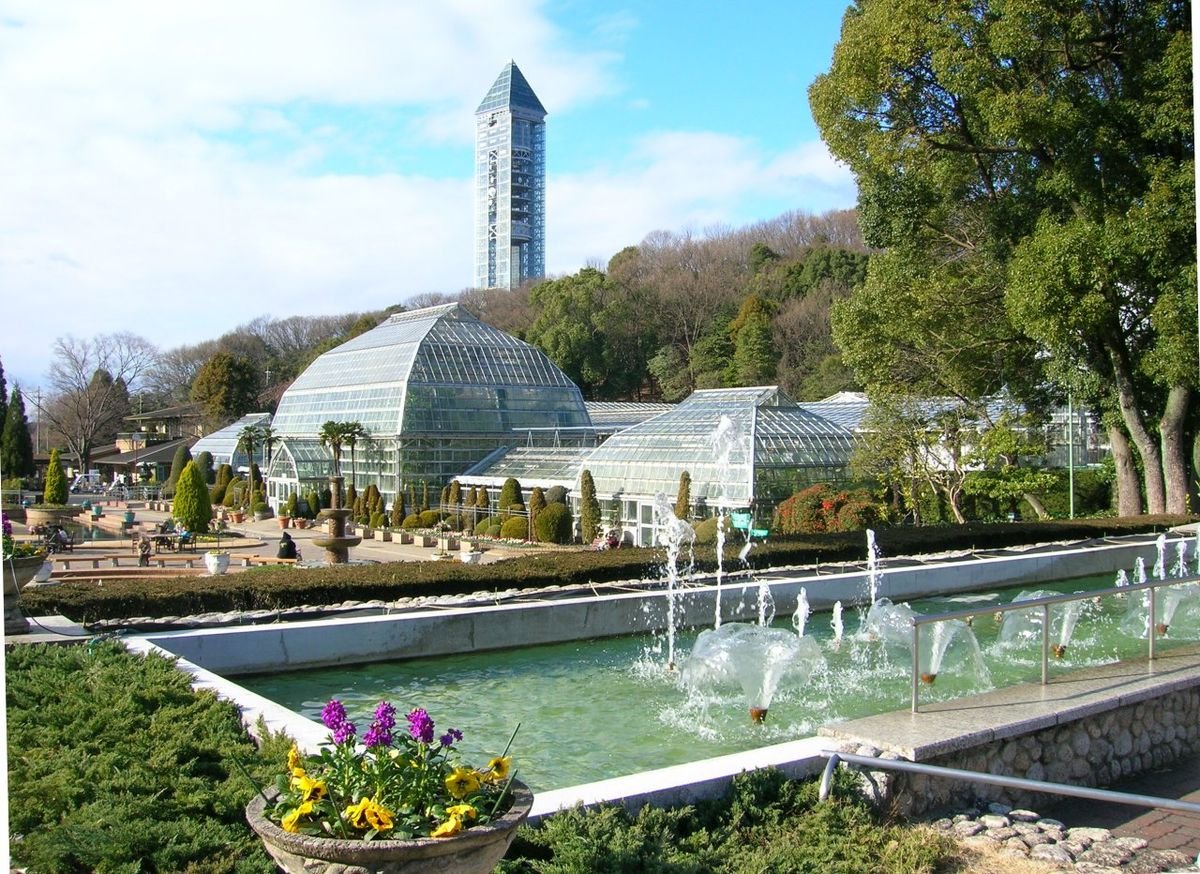
Visit Chikusa-ku, where some of Nagoya’s most picturesque locations are located, when you’re ready to discover some serenity in the middle of the city.
You can easily spend an entire day exploring the grounds of Higashiyama Dshokubutsuen in Chikasa-ku (Higashiyama Zoo and Botanical Gardens). The zoo, which first welcomed visitors in 1937, is still regarded as Asia’s biggest. There are more than 125 different animal species, so there is a lot to see. It shouldn’t come as a surprise that the most well-liked display is the family of koalas given the Japanese emphasis on attractiveness. Here, a vast range of birds and reptiles reside, and a well-liked display showcases the medaka fish that traveled into space with a Japanese astronaut.
The botanical gardens cover a sizable amount of land. Visitors can meander leisurely through seasonal flower beds, through the traditional Japanese garden, and around the expansive greenhouse. The insect hall, which features a wide variety of species, is fantastic for those who are interested in entomology.
The Nitta-ji temple is also located in Chikusa-ku. Although it doesn’t compare in size or beauty to many of the temples in Kyoto or Nara, it is of international significance. It was built in the early 20th century and rebuilt in the 1980s. Since just a few temples can lay claim to one of the Buddha’s thumb bones. The temple is a popular destination for Buddhist pilgrims from throughout the world because of the bone, which was a gift from the monarch of Thailand and is buried in a 15-meter (49-foot) stupa.
Minato-ku
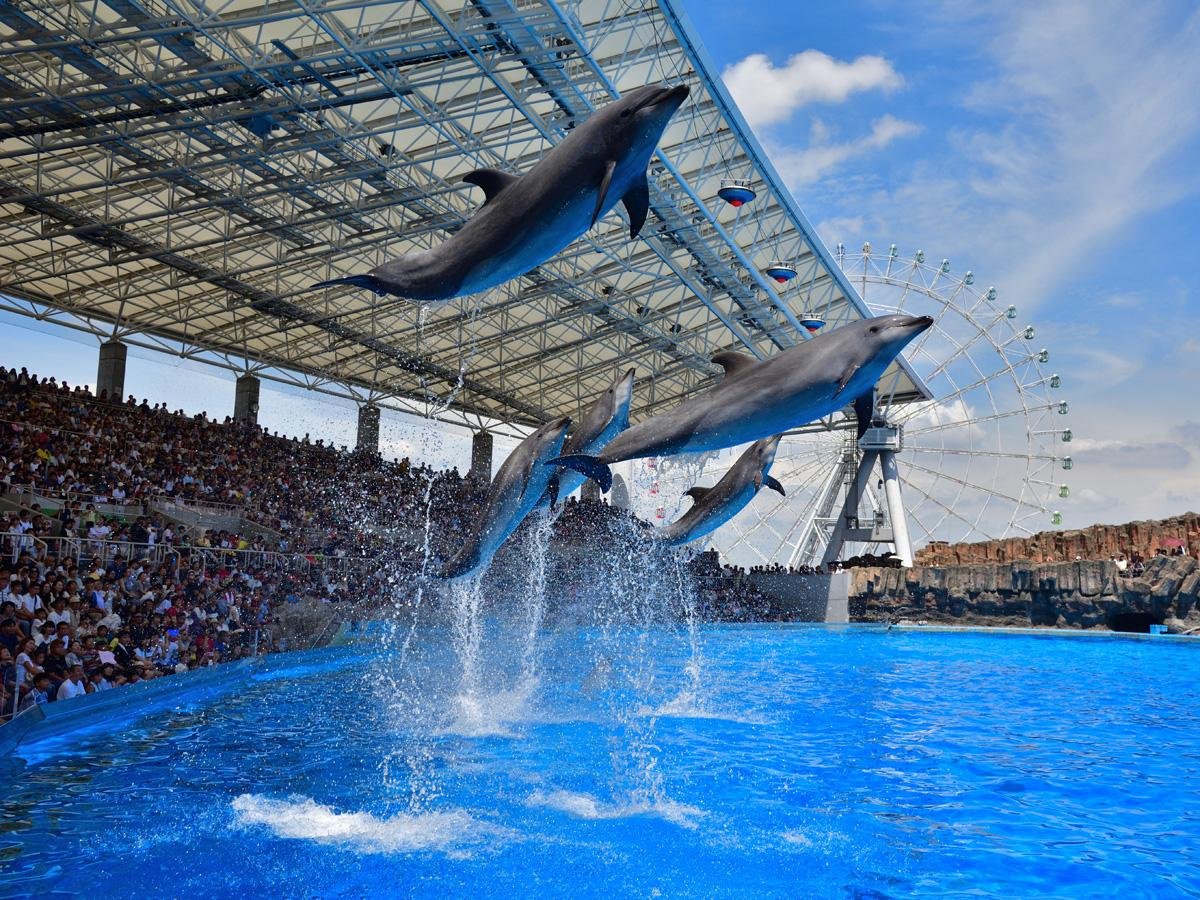
The thriving port of Nagoya is included in Minato-ku. A Venetian-style village, an amusement park, and shopping areas can be found near the harbor. However, the Port of Nayoya Aquarium draws the majority of visitors to Minato-ku.
The Port of Nagoya Aquarium, one of the biggest in Japan, is crowded with children on weekends and is home to a wide range of fish, birds, and animals. A touch tank with starfish and sea urchins, an IMAX cinema, and an aquatic holographic display are among the amenities. The penguin display is the most well-liked of the exhibits. The museum staff has gone to great lengths to accurately portray the penguins’ Antarctic habitat, even adding fake snow. Nearly as popular are the beluga whale training display and the dolphin performance.
Near the aquarium, the Port of Nagoya Garden Pier extends into the harbor and has a 57-meter (187-foot) observatory. Joining one of the port cruises is a terrific way for visitors to view the busiest international port in Japan from the perspective of the water.