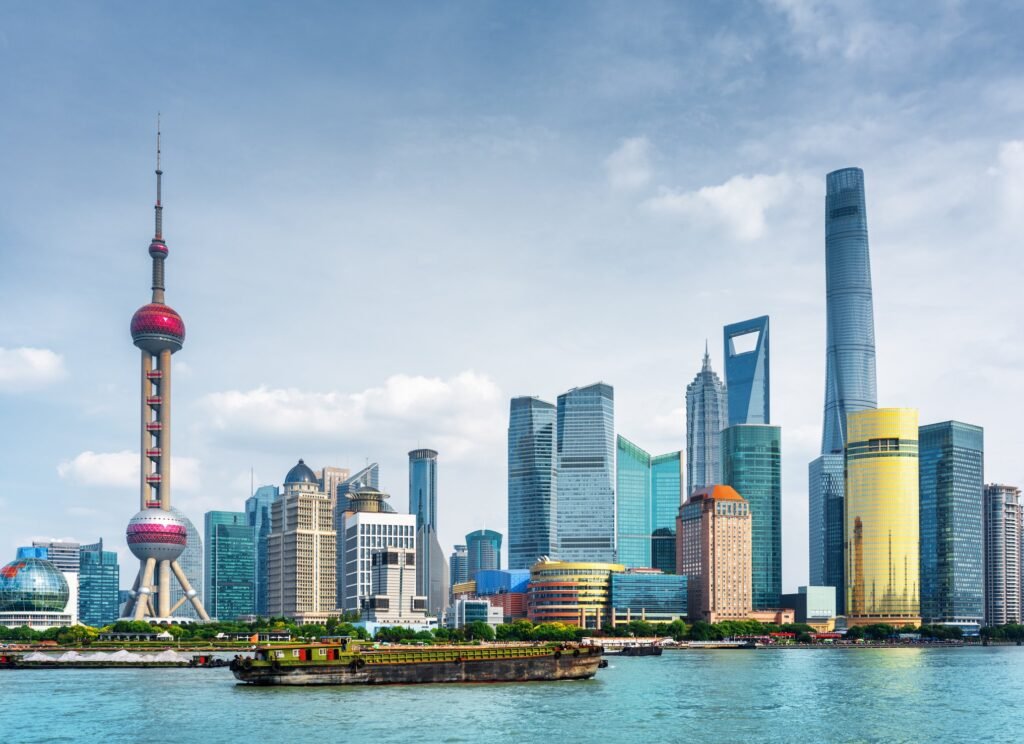
Shanghai is one of the world’s largest cities, with its metropolitan center alone covering more than 2,000 square miles. In the past, the Huangpu River, which functioned as a transportation corridor for both people and commerce, was where the city was most densely populated. Today, though, the vast sprawl has moved so far west that it practically approaches Suzhou. The Shanghai metropolis creates a separate municipality that functions much like a mini-province.
Although many Shanghai residents live separately in their own distinctive enclaves, neighborhoods, and suburbs, each with a distinctive taste and local community that is more or less self-supporting, they do not all dwell together in a huge mass of concrete jungle. These places are among Shanghai’s most authentic, but they are also among the least accessible to tourists because the majority of them are situated relatively far from the city center and are only connected to it via city buses, not the subway.
A large portion of the Shanghai that tourists enjoy is focused on the vibrant areas that still rule both banks of the Huangpu River and has little to do with these autonomous communities. The Bund, French Concession, and Old Town are the older neighborhoods to the west, where traders, merchants, and foreign colonists flourished 200 years ago. This place has a style that is reminiscent of that time. While everything is going on, over the river to the east, one can see the futuristic high rises that make up Shanghai.
The Bund
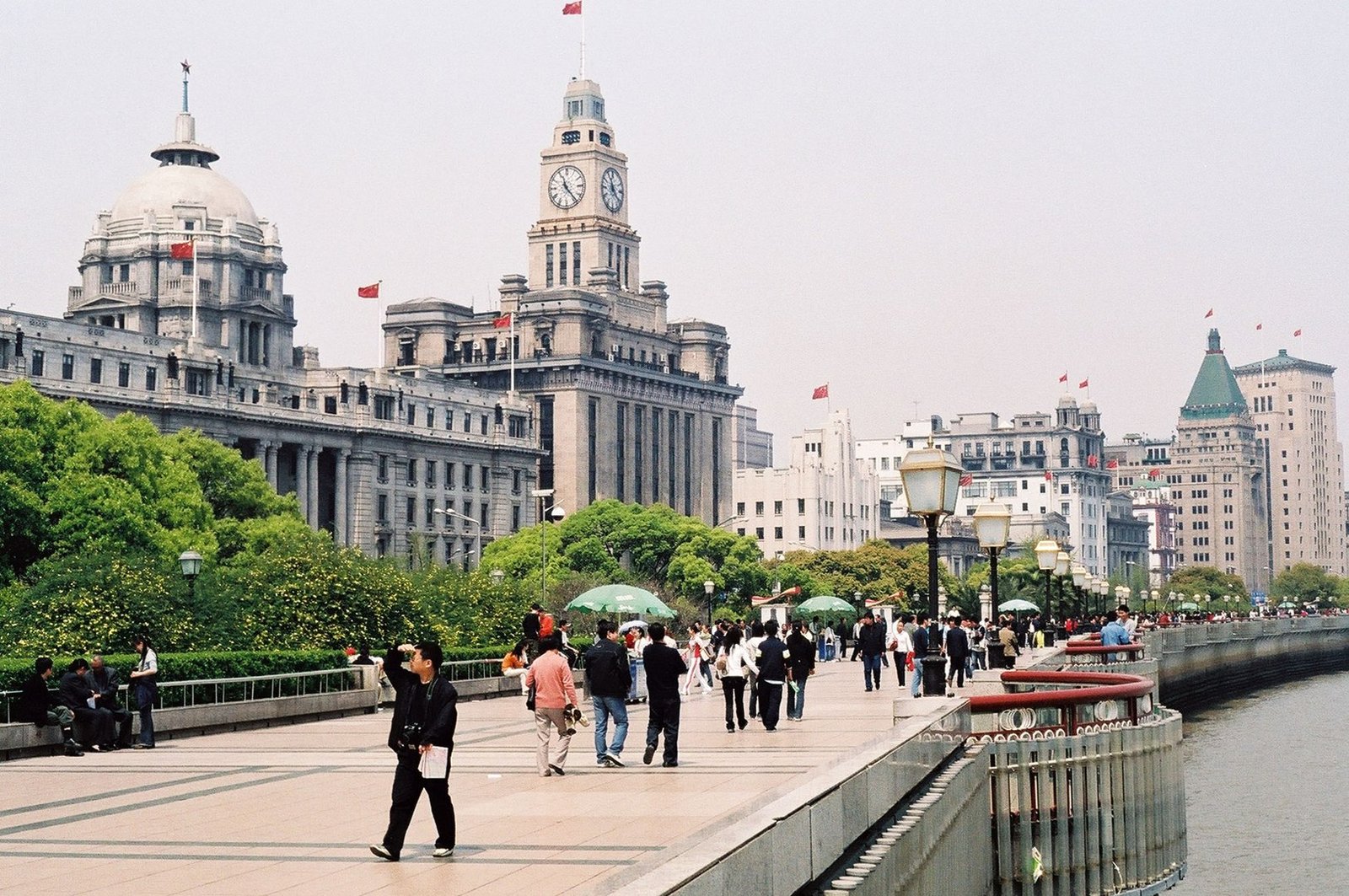
One of the first things visitors to Shanghai see is this strip of 19th-century architecture that once housed the financial industry of China within its brownstones. In this context, the term “Bund” refers to the waterfront stretch that was formerly a part of the Shanghai International Settlement and was home to banks, embassies, and media outlets. The term “Bund” is an Indian and Middle Eastern phrase that means “band” or “embankment.” The Bund is illuminated with warm, orange lights every evening, which presents an intriguing contrast to Pudong’s blazing, vibrant neon across the river. The wide promenade that flanks the western bank of the Huangpu is where visitors may get the best view of the Bund at any time after dark.
Pudong
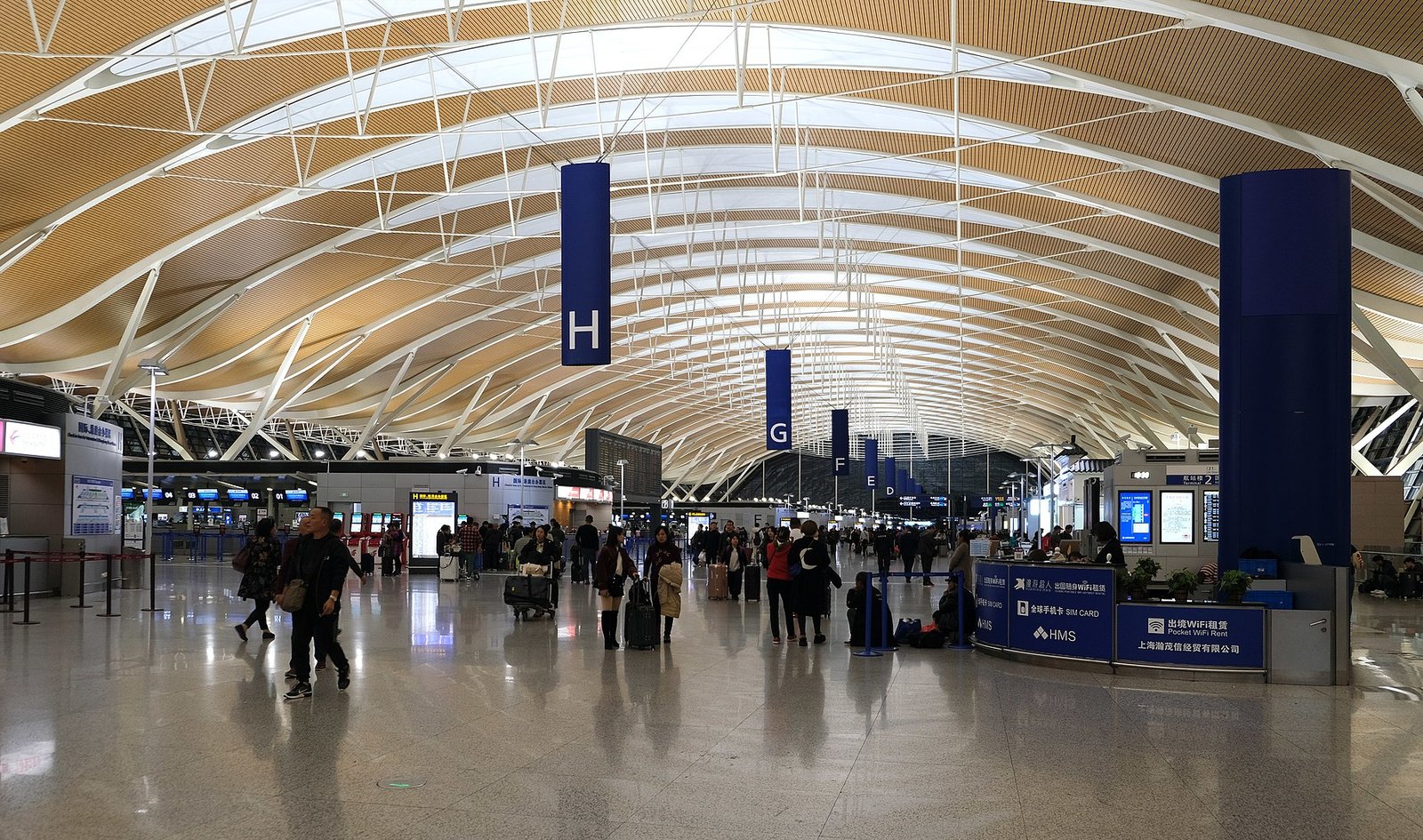
The Pudong district is located in Shanghai’s eastern region and spans a sizable area of land. Most people refer to Pudong as the few streets along the east bank of the Huangpu River that are lined with massive skyscrapers. Visitors can only stare at or climb to the top of one or more of these enormous skyscrapers in this contemporary financial district of Shanghai, which offers virtually little else of interest.
The Oriental Pearl TV Tower, a famous building distinguished by its numerous pink orbs, once provided Shanghai with the highest viewing area. Since then, the enormous Jinmao Tower, which provides views from its 88th level, and the even taller new Shanghai World Financial Center have surpassed it (sometimes referred to as the “bottle cap opener” for its unique shape with a hole in the top).
The busy Pudong International Airport, located on the outskirts of Pudong, is connected to the city by the ultra-modern Maglev, a magnet train that can travel at speeds of up to 400 kilometers (249 miles) per hour. This airport welcomes a significant portion of China’s foreign tourists.
The former French Concession
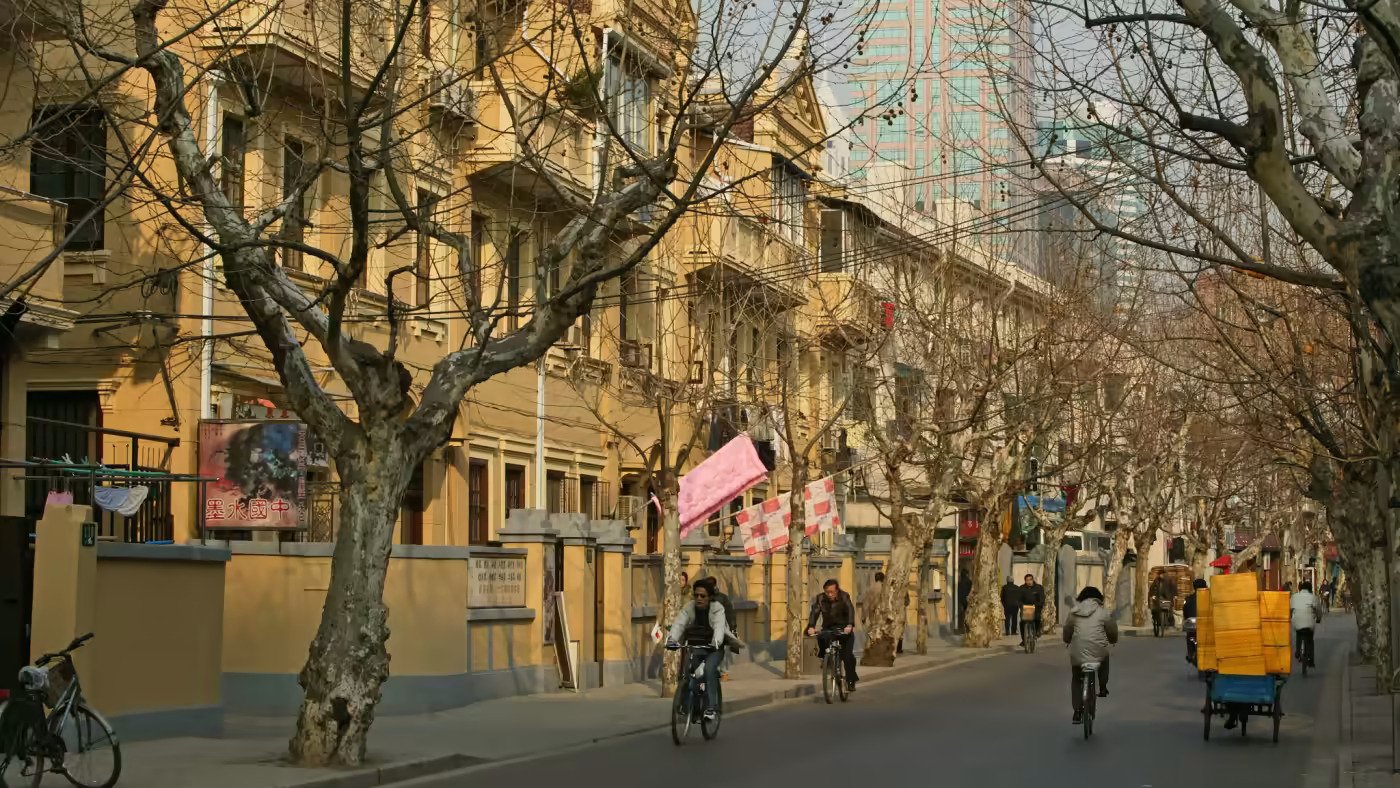
It is not difficult to think that this lush suburb in southwest Shanghai was once a French colony because concessions were regions of China that were permitted to be administered by foreign governments. This is one of Shanghai’s hippest retail and nightlife districts. The wide avenues are surrounded by graceful redbrick mansions and hanging plantain trees, and each street is lined with luxury wineries, western-style cafés, and boutiques run by local fashion designers.
Wandering is a common pastime in the former French Concession because of its tranquil environment, which stands out greatly from the rest of busy, chaotic central Shanghai. While the branching Ruijin and Maoming roads offer a concentration of western-style pubs and nightclubs, Huaihai Road is home to the busiest retailers in this area.
Old Town
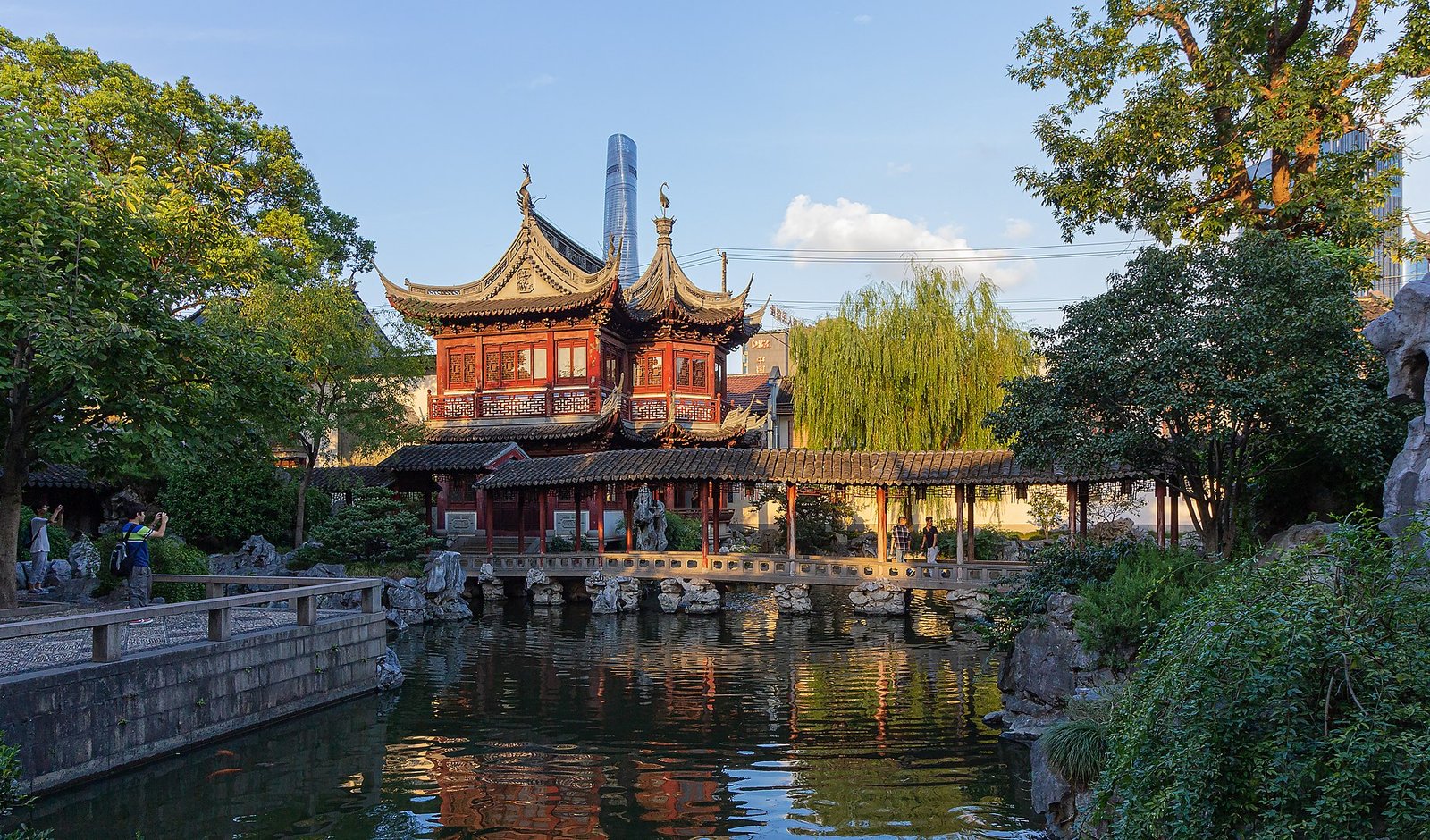
A stroll through Shanghai’s Old Town, a ring of meandering old alleyways that was originally encircled by the city wall, is recommended for anybody curious about what life would have been like in the city 100 years ago. The now-kitschy Yu Yuan, a tranquil park connected to a sizable former temple complex that has been transformed into a tourist-friendly commercial bazaar, is located in the center. This is a terrific location to people-watch or purchase inexpensive but wonderful Chinese trinkets.
Though these districts are rapidly fading to make way for contemporary high rises and shopping centers, the maze of streets that surround Yu Yuan still contain shabby apartment buildings and curved alleyways where life has continued much in the same way for hundreds of years. When little farmers markets pop up along the streets and antique dealers set up shop on the sidewalks, mornings are a great time to explore this area of the city.
Xintiandi
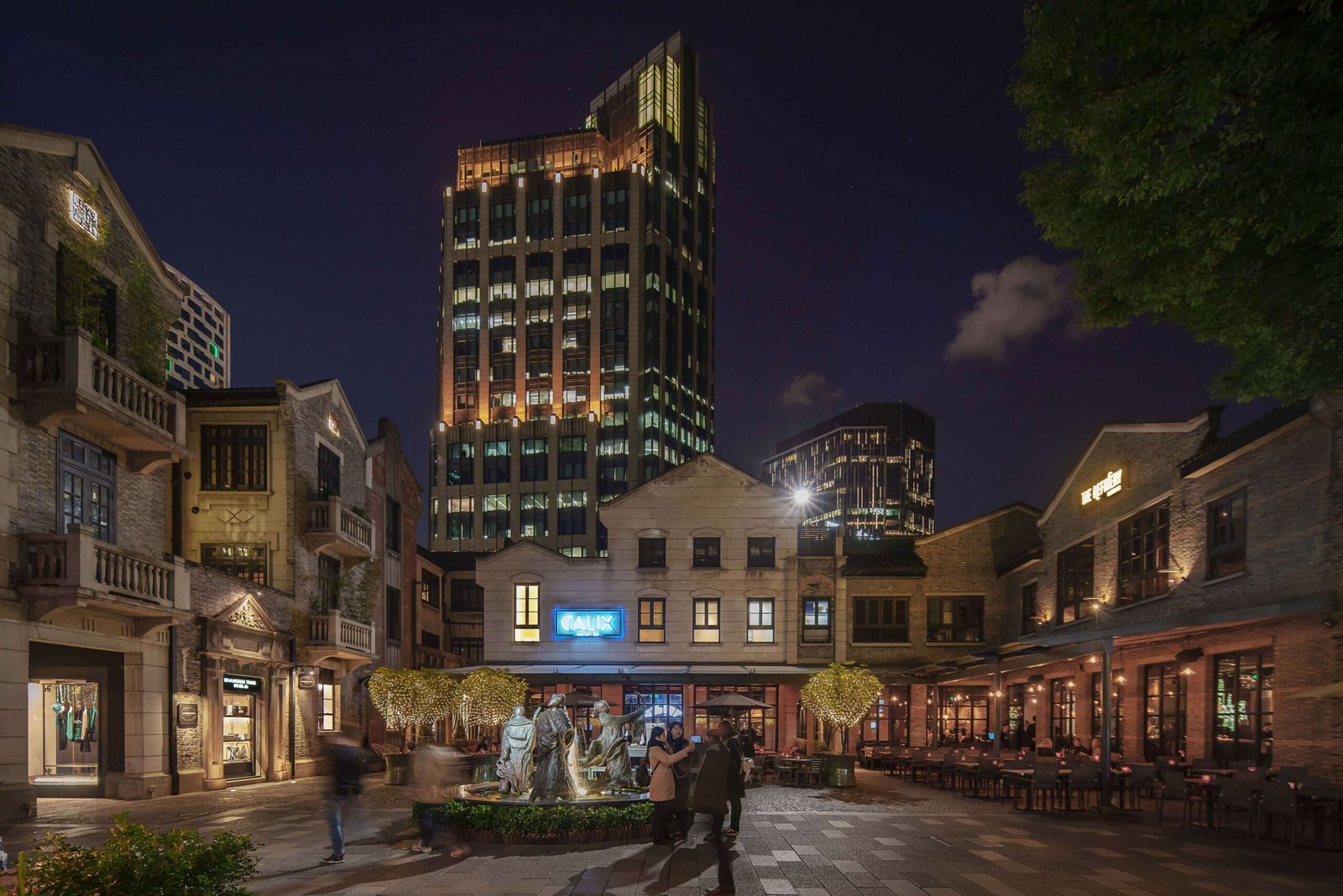
Xintiandi (“New Heaven and Earth”), one of Shanghai’s most fashionable districts, is a high-end shopping and entertainment district constructed inside a collection of historic shikumen stone homes. The entire Xintiandi district is only accessible by foot, providing a welcome absence of exhaust pollution and lots of outdoor space for the many European-style bars and eateries there.
The upmarket Shanghai Tang silk clothing store, a German brewpub, many upscale tea houses, a shopping mall, a sophisticated movie theater, and even a Starbucks café are just a few of the many foreign attractions in Xintiandi. Not its abundance of entertainment options, but rather its distinctive slate-gray stone architecture and brick structures may be what makes Xintiandi the most interesting place to visit.
Huangpu
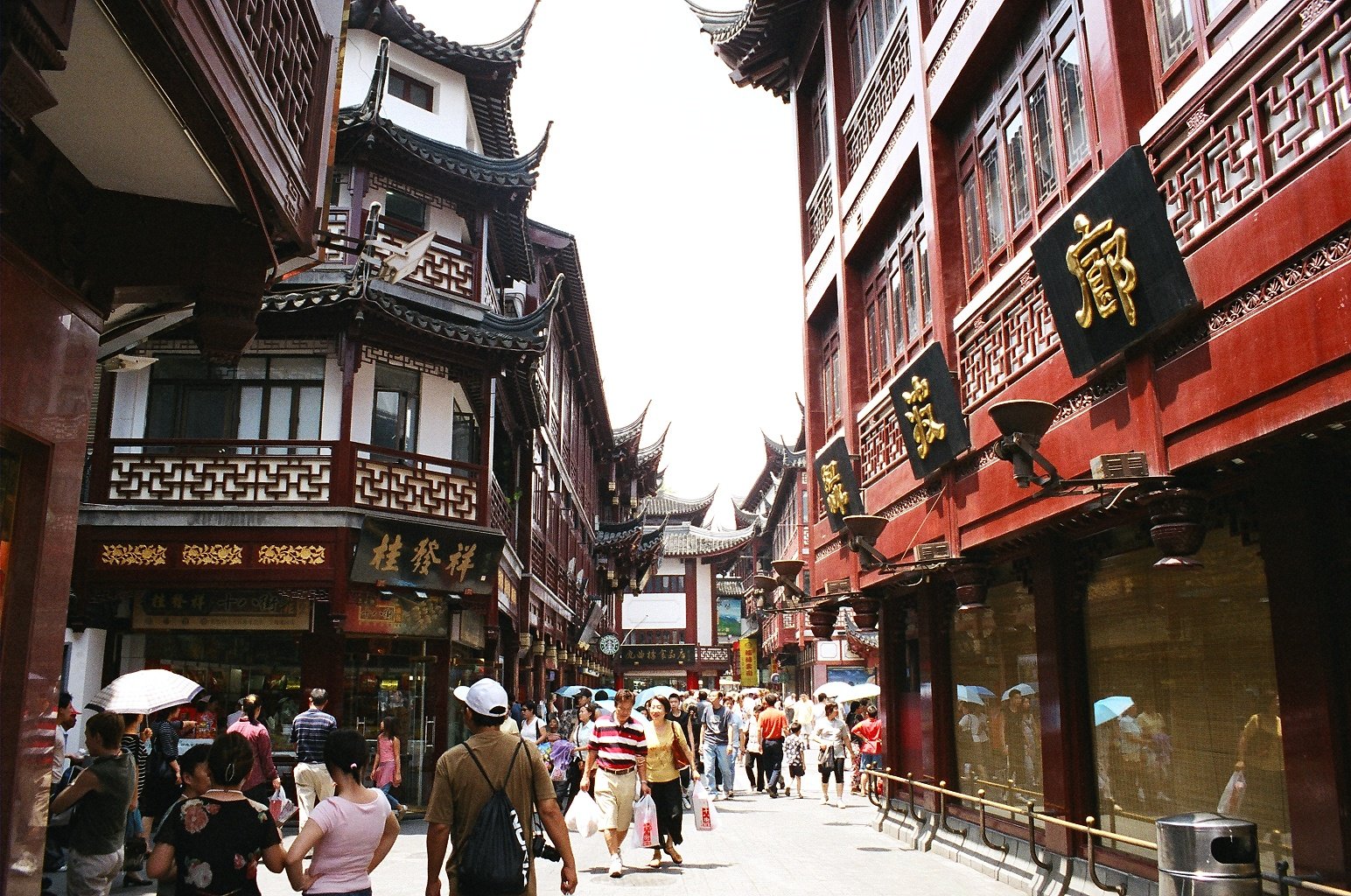
This area west of the river includes the Bund, but it’s more notable for the presence of People’s Square, a sizable city park, the Shanghai Art Museum, and the Nanjing Road shopping area, which is renowned for its brilliant neon lights that shine in the evenings. Although Nanjing Road might not have the most convenient or authentic shopping options in Shanghai, it does have a certain amount of glitz. Of all, the lights are what really make a stroll down Nanjing Road appealing. The neighborhood is rife with touts offering fake designer handbags, sunglasses, and DVDs, so visitors should be on the lookout for them.
Instead of going too far off the beaten path, those seeking a taste of real Shanghainese food can turn north into Fujian Road or Shandong Road, where clusters of well-lit, family-run eateries have sprung up. These primarily serve domestic tourists; to communicate your order, you will need some Chinese (or a phrase book). Even yet, the authenticity and quality of the food at the majority of these establishments make the extra effort worthwhile.
People’s Square should be the destination of choice when the humid weather in Shanghai gets intolerable. This enormous public space has several lush, green plants and functions as both a park and a square. Along with the fairly uninteresting Shanghai Art Museum, the Shanghai Opera is situated nearby. The city’s bird and flower market, which is found along Jiangyin Road, a tiny street that juts off of Huangpi Road west of People’s Square, is more fascinating.