Due to rising costs associated with various defense initiatives, including those related to supply chain expenditures, Boeing reported a $3.3 billion third-quarter loss on Wednesday.
Revenues for the aviation giant increased by 4% to $16 billion, falling short of expert expectations.
Positively, Boeing reiterated that it is on target to generate positive free cash flow in 2022.
The KC-46, a strategic military transport aircraft that can also be used for aerial refueling, and Air Force One, the presidential aircraft of the United States, were among the fixed-price defense contracts that the business highlighted as being hurt by rising costs.
Boeing also reported that expenses were increasing for other unnamed defense initiatives.
The losses in these projects were “driven by higher estimated manufacturing and supply chain costs, as well as technical challenges,” Chief Executive Dave Calhoun said in a letter to employees.
“Nearly every industry is navigating broad supply chain, inflation, labor and macro-economic challenges — and we’re certainly no different. We’re realistic about the environment we face and are taking comprehensive action.”
Calhoun closed his letter by saying that “turnarounds take time,” adding “we have more work to do — but I am confident in our team and the actions we’re taking for the future.”
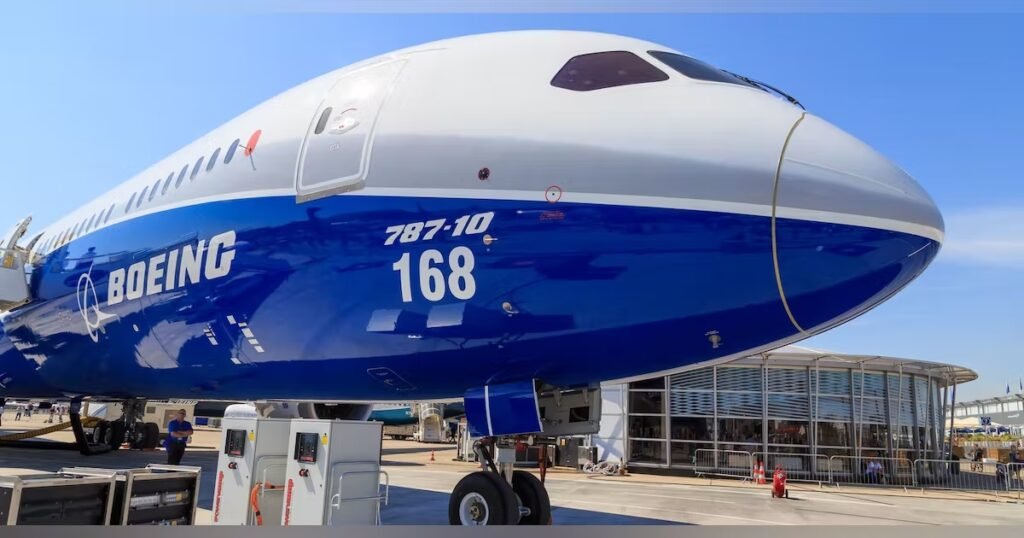
Boeing’s commercial airplane segment enjoyed a rise in sales as the company resumed 787 deliveries, which coincided with the defense program’s challenges.
Dreamliner and an increase in 737 MAX deliveries.
However, Boeing was anticipating inquiries from investors on a conference call later on Wednesday regarding the timing of the return of MAX deliveries to China as well as the regulatory outlook for its most recent model of the aircraft, the 737 MAX 10, which is currently awaiting US certification.
In pre-market trade, shares fell 0.4 percent to $146.00.