
Since the discovery of oil in the United Arab Emirates in 1958, Abu Dhabi has developed into a sleek, highly developed, and hypermodern metropolis, drawing hordes of tourists. Abu Dhabi has come a long way from the 1940s, when British explorer Wilfred Thesiger described it as “a small dilapidated town along the seashore.” The Middle East’s largest success story’s political and economic center is symbolized by its gold-domed palaces, curved skyscrapers, and tent-like retail centers.
Abu Dhabi, like its rival Dubai, has benefitted from the boom by developing a compelling cosmopolitanism and, as a result, a wide variety of foods, languages, cultural activities, and media that would appeal to any tourist seeking diversity and plurality.
The mainland is connected to the wedge-shaped island Abu Dhabi controls by the al-Ain and al-Maqtah bridges. The wide end of the wedge is occupied by the city center, which houses the majority of the tourist attractions. The city is divided in half by Airport Road (also known as al-Maktoum Street), which ends at the al-Ain Bridge. Some people may become confused as a result of some streets having many names. Roads with odd numbers span the island from east to west, while those with even numbers go from north to south.
Tourists swarm to the souqs in the center of Abu Dhabi, the Corniche boardwalk, the waterfront Mina Zayed district, Abu Dhabi West’s upscale homes and boutiques, and al-skyscraping Mushrif’s hotels and entertainment options.
Central Abu Dhabi
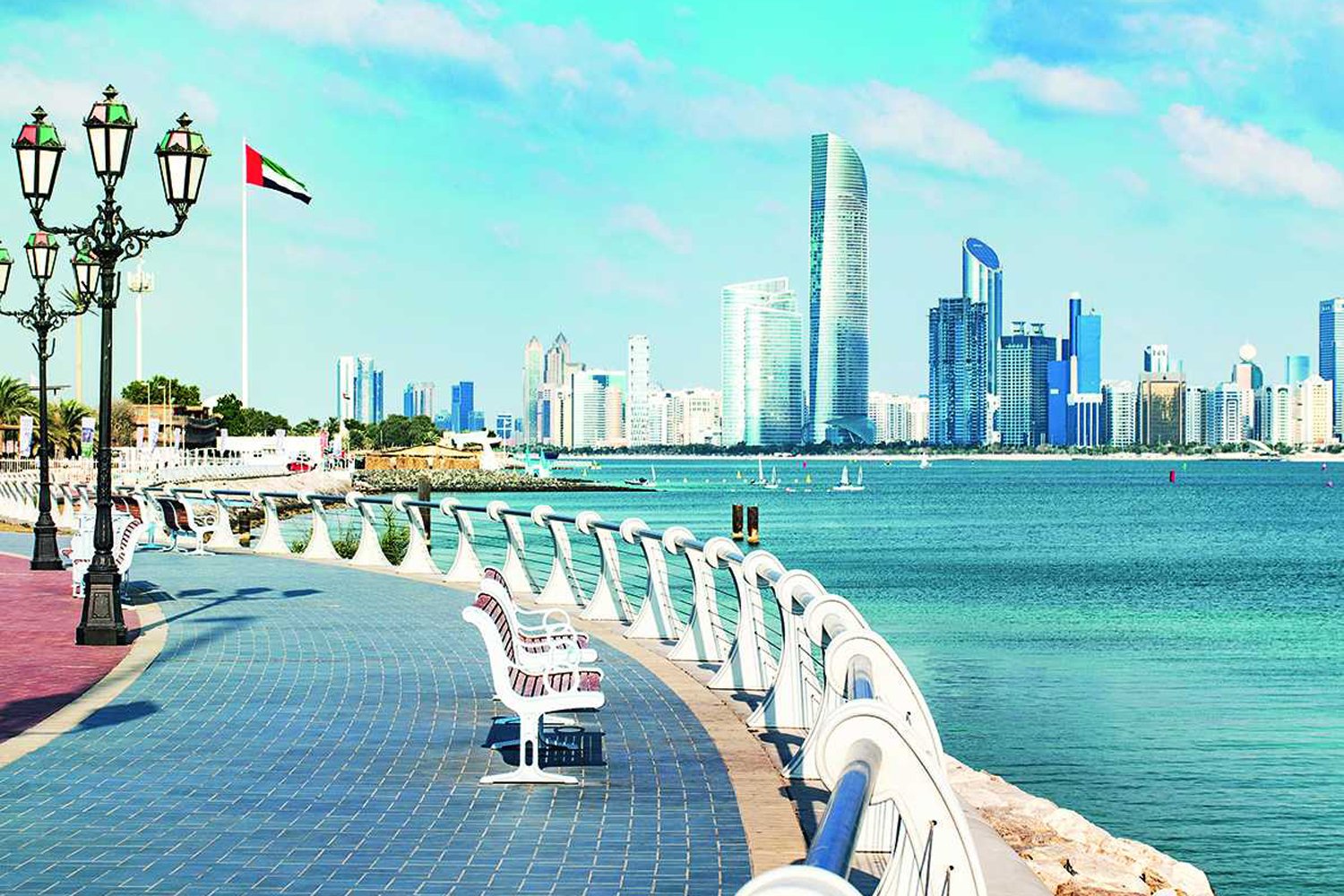
From the Arab Monetary Fund’s offices to the Hilton Hotel, the attractive Corniche path spans the north shore overlooking the Khor Laftan Sea. It is frequently used by joggers, skateboarders, in-line skaters, and cyclists. The pathway is surrounded by lush gardens filled with a variety of desert flora and a dense collection of high-end hotels, giving the area an air of affluent elegance.
The district’s central roundabout is located on Sheikh Rashid bin Saeed al-Maktoum Street, and it is from here that you may first catch a glimpse of old Abu Dhabi. A collection of less opulent but perhaps more genuinely Arabian attractions can be found here, including arcades, sheesha bars, antique stores, and the Gold Souq, a covered market decorated in the Bedouin manner, where you may discover huge discounts on a wide variety of priceless items. Al-Hosn Fort, which was constructed in 1763 to protect Abu Dhabi’s water source from marauders, is located directly to the west of the circle in this incredibly modern city.
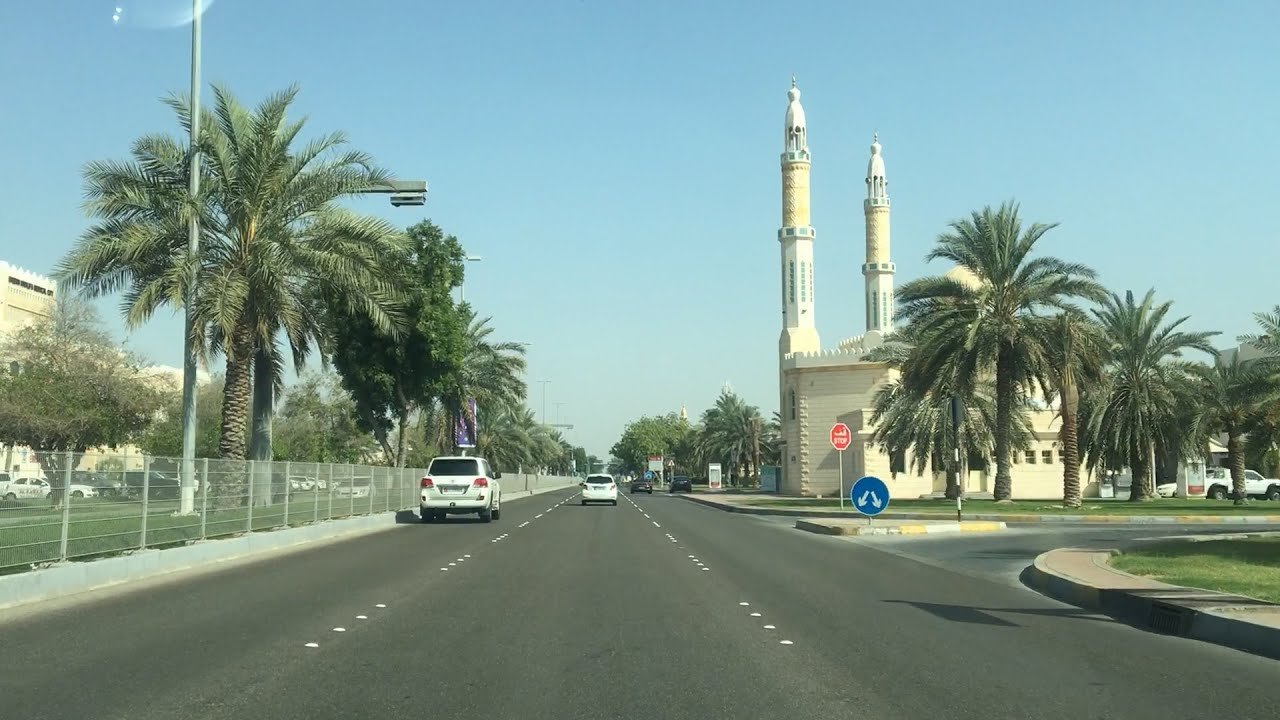
Arched colonnades soar over the serene grounds of the Abu Dhabi Cultural Foundation on Zayed the First Street, a location where visitors may take in Arabian theater, dance, music, poetry readings, and exhibitions. Next door, Sheikh Zayed the Second Mosque soars into the sky with its bulbous domes and narrow minarets.
The brightly illuminated late-night shopping district of Hamdan Street, to the west of here, is crowded with skyscraping department shops and supermarkets, while its side lanes are home to patisseries, independent tailors, and little mosques.
Mina Zayed, which dominated the northwest point of Central Abu Dhabi before oil was discovered, was a seaside pearl-trading hamlet. More than 2000 ships import and export processed goods, grains, agricultural products, and pharmaceuticals each year from Mina Zayed, a thriving trading port. The Dhow Harbor, which is located off the coast opposite the Sheraton Hotel, is a thriving example of nautical history where visitors may see or even board one of these old Arabian flat boats. When you’re done admiring dhows, go to the Iranian Souq, a magnificent representation of Abu Dhabi’s sizable Iranian community and where you can purchase complex Persian carpets, Middle Eastern spices, and lovely trinkets. Regular shipments of these goods are made from Iran to the United States. The ages-old Fish Souk is located to the north of Corniche Road and is where you can get the greatest grouper, oyster, prawn, and lobster harvests that Abu Dhabi has to offer.
Abu Dhabi West
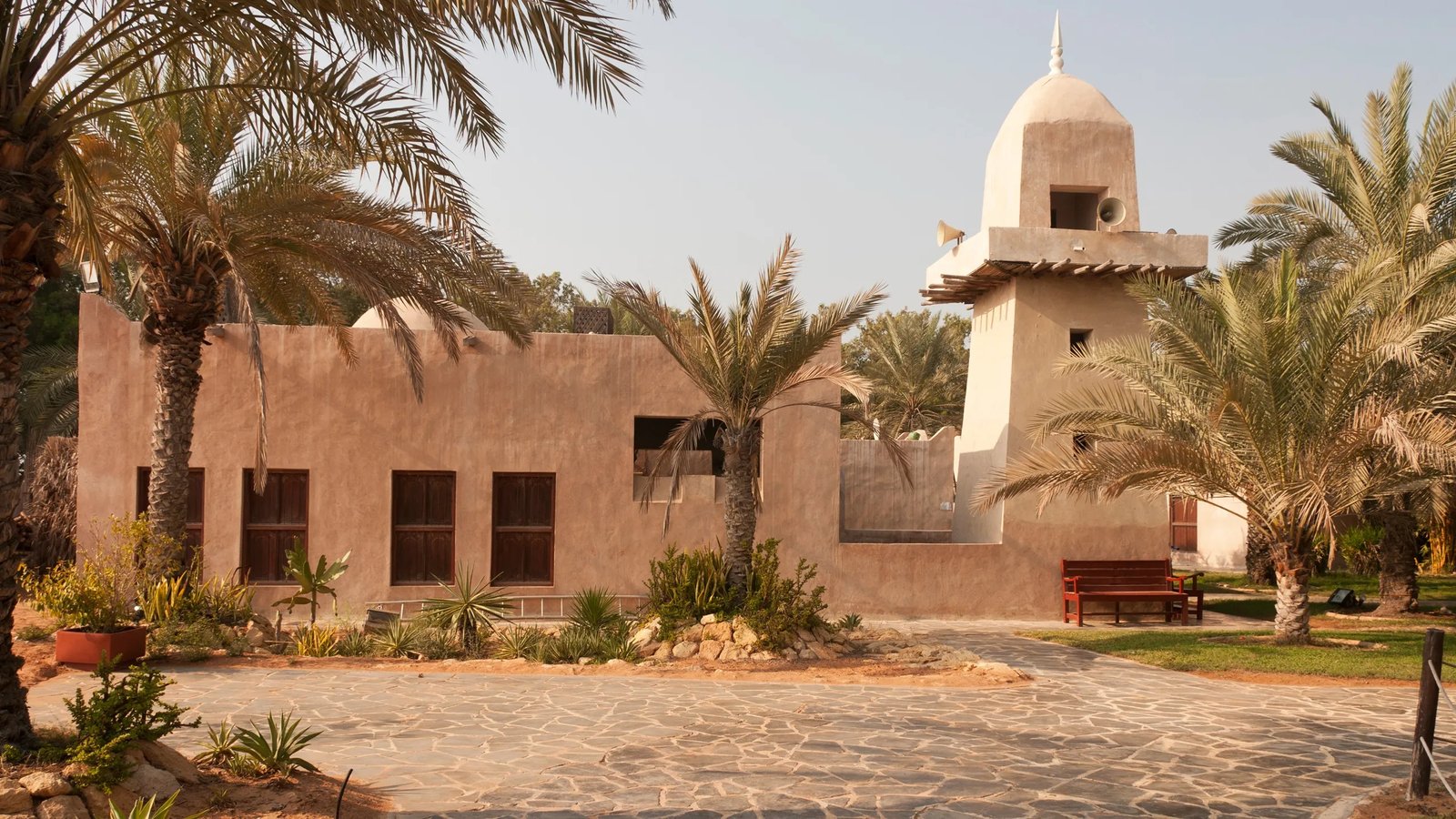
Abu Dhabi West could be compared to the Beverly Hills of the United Arab Emirates. Large homes and villas are home to the upper class elite, including the sheikhs themselves, and there is a sizable expat population. The upscale condo buildings that line the streets are occupied by young professionals. Along the lush boulevards of Zayed the First Street and Bainunah Street are the top educational institutions, childcare facilities, and medical facilities in the country. But the area is home to more than just opulent residences and contemporary comforts. The Dhow Building Yard, where visitors can watch men build these distinctive ships, and the Emirates Heritage Village, which features demonstrations of tribal crafts and beautifully manicured gardens, modern conveniences, and opulent mansions, are two examples of attractions on the west coast that make an effort to highlight the city’s older customs.
A little portion of the concrete gives way to al-Gurm, a development, just south of here along Corniche Road. Smaller homes and hotels have been constructed here among the mangroves and sand dunes.
Ras al-Akhdar, in the district’s southwest part, is somewhat of a recreation area. The walled, women- and child-only al-Dana Ladies’ Beach and Bateen Jetty are popular with both locals and visitors. Monumental shopping centers like Marina combine cutting-edge technology with traditional design. This area is graced by the imposing Presidential Palace and the 80-hectare (198-acre) Emirates Palace Hotel with its elaborate star atrium. To see Abu Dhabi’s skyline in all its lavish and diverse beauty, go to Ras al-Akhdar.
With two sizable public parks, Khalidiya, the neighborhood at the center of this area, resembles a pastoral oasis in the middle of an urban wasteland. Its bakeries, coffee shops, rug stores, and sidewalk sheesha bars give it a bohemian vibe.
Al-Mushrif
The two main highways connecting to the bridges to the mainland, Airport Road and Coast Road, are the dominant features of this thriving neighbourhood, which makes up the eastern half of Abu Dhabi’s wedge plan. The region’s eastern border is marked by a structure belonging to Etisalat (the state telecom firm), while the western border is marked by the imposing five-star Shangri-La Hotel. The Armed Forces Officers Club, which has nothing to do with the military at all but does have a gym, a spa, football fields, volleyball courts, and an Olympic-caliber shooting range, is the place to go if you’re in the mood for some very physical fun.
Traditional arts and crafts are the main emphasis of the galleries and studios on Karamah Street. You may see female craftspeople weaving, dyeing, and sewing traditional garments at the Women’s Handicraft Center.
Al-Mushrif comes to an end at Maqta Bridge, which was built in 1968 as part of Abu Dhabi’s quick, oil-enabled revival. Visitors to the city had to wait until the tide was low in order to wade over from the mainland before that time. When Abu Dhabi needed to be tightly defended against pirates and outlaws, a watchtower still stands.
Nearby Islands
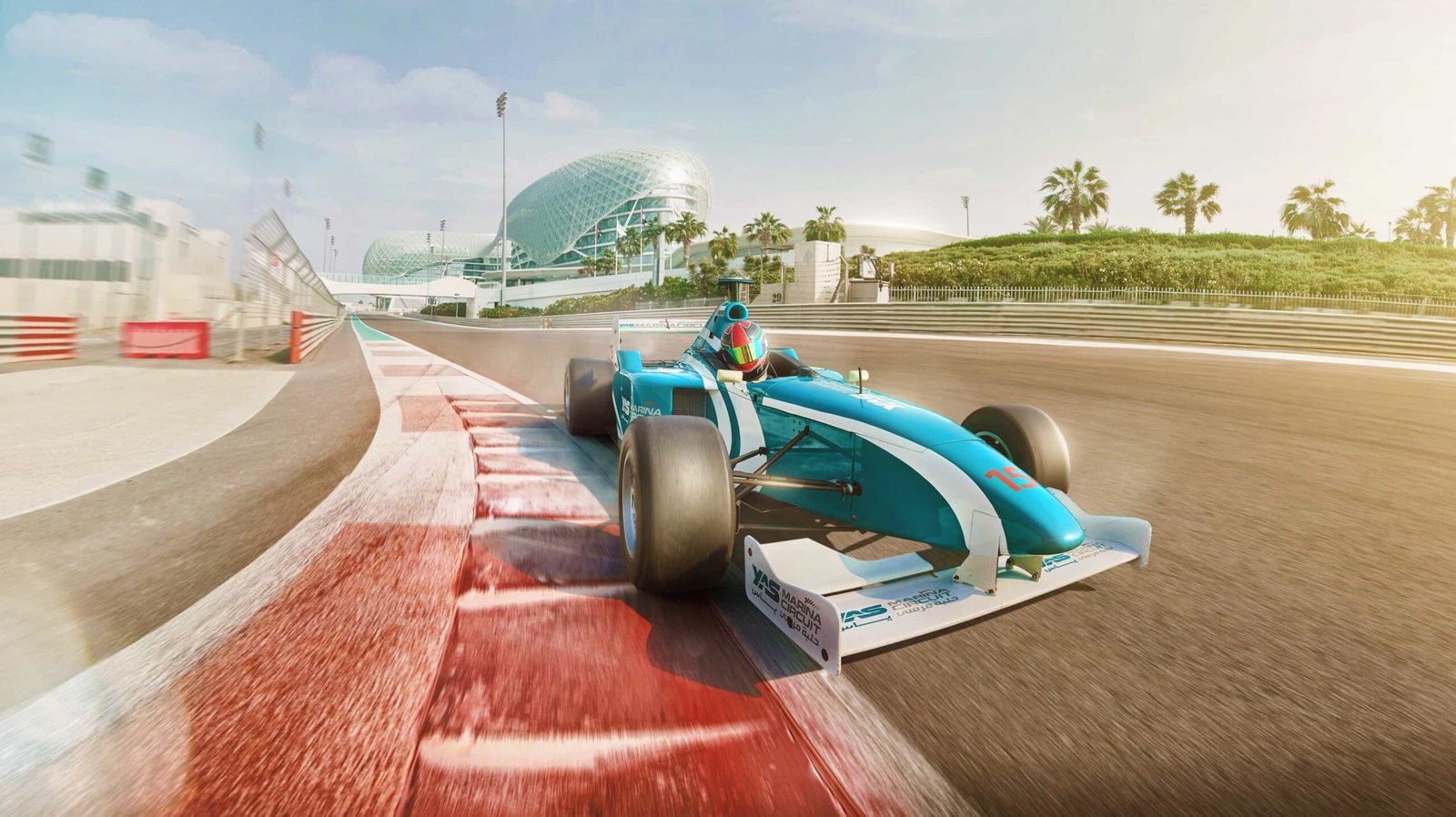
Around Abu Dhabi, there are other tiny islands in varying stages of development. Both a Formula 1 race and an entertainment park with an unusually Ferrari-focused theme are held on Yas Island. You may play car-related arcade games here and take in the historical exhibits about the Italian automaker.
Umm an-Nar only had an oil refinery up to 1975. Then, 5,000-year-old ancient crypt was discovered by archaeologists. Presently, the island is home to an amazing archaeological display that tells the tale of early commerce between the inhabitants of the island and travelers from Mesopotamia and South Asian civilizations.
Saadiyat Island is currently developing a variety of top-notch museums and cultural institutions.