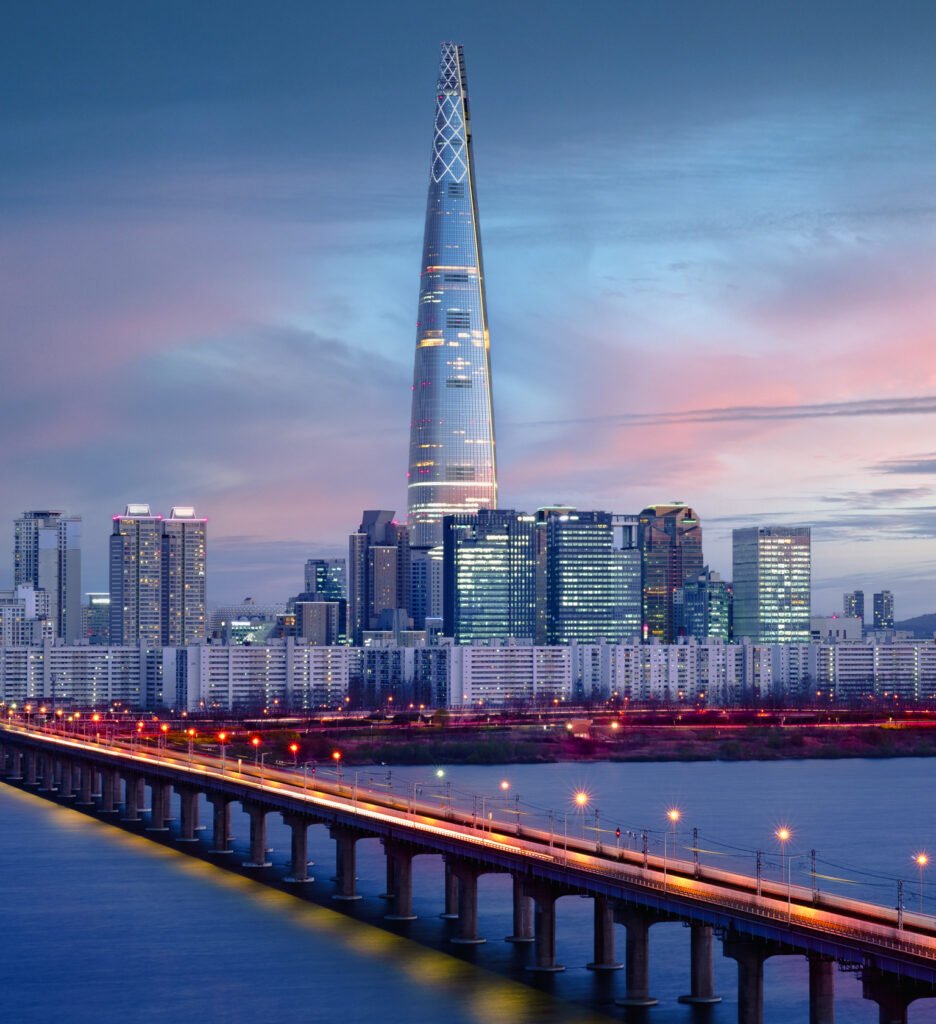
Seoul is quite logically laid out despite its enormous size. The five historic palaces roughly flank the city center, which is divided by the Han River and is accessible on foot. There are a number of interesting neighborhoods to the north and south of the river that are best accessible via Seoul’s first-rate metro system. If you’re going in a group, taxis are a good choice.
The Palace District and its tourist-friendly, gallery-filled Insa-dong neighborhood, the old-world architecture of the peaceful Samcheong-dong and Bukchan-dong districts, the enormous market areas of Namdaemun and Dongdaemun, the Namsan region around the mountain that marks out Seoul’s dead center, the young and trendy nightlife in Hongdae, eccentric, foreigner-friendly Itaewon, the beauty of Yeouido’s riverfront, and the luxurious, upper-class district of Apgujeong.
The Palace District
The Palace District, which dates to the 1300s, may lay claim to being one of the world’s oldest urban areas. The picturesque background of the Bukhansan Mountains only enhances the impact of its five magnificent palaces. This area of town will always be distinguished by 600 years of royal splendor, no matter how urbanized Seoul becomes, how much traffic is on the roads, or how many neon lights flash.
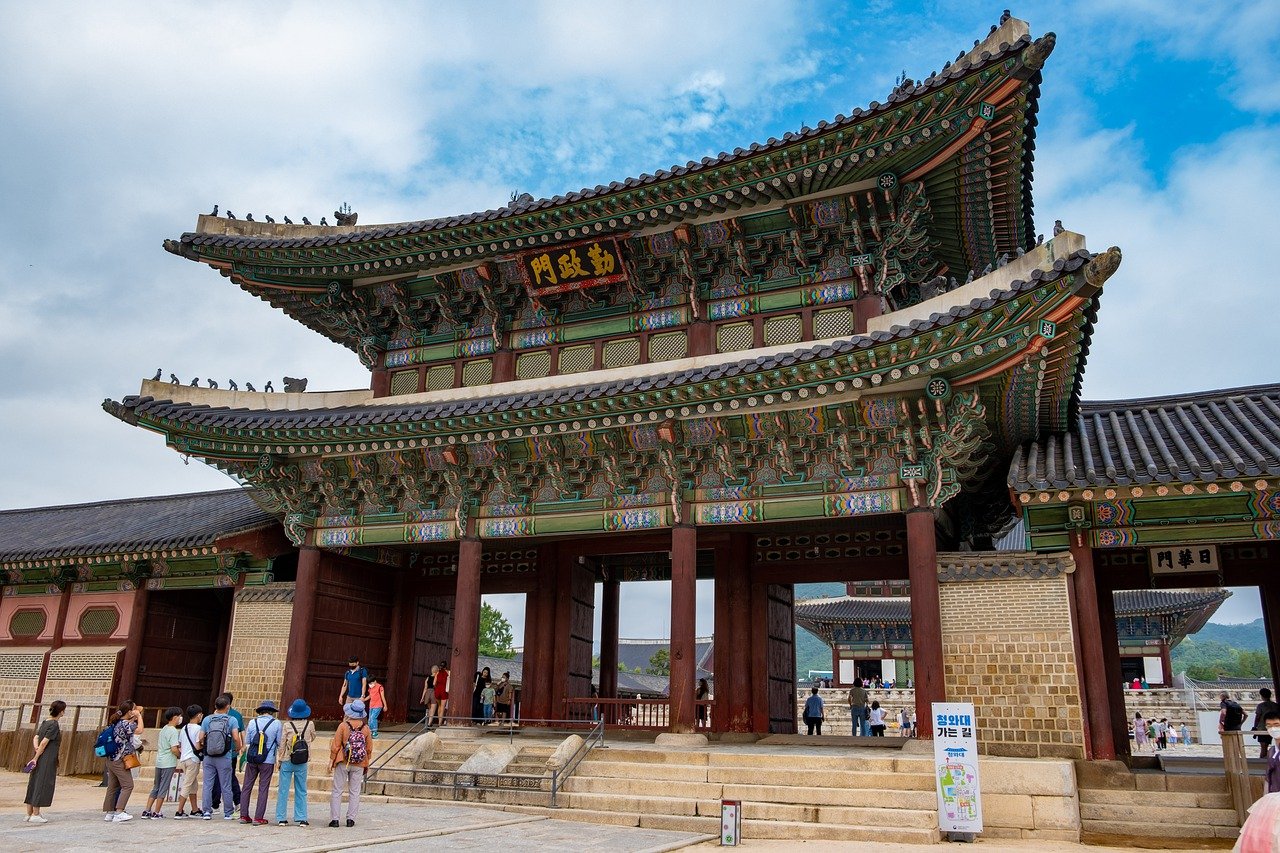
Gyeongbokgung (The Palace of Shining Happiness), which takes up the majority of the northwest of the city, is so large that it functions as a community unto itself. Up to the Japanese invasion in the late 16th century, it was built in 1394 and served as the imperial capital. The columned pavilions, lily-covered lakes, feudal towers, and decorative rock gardens within its gates are unlike anything else in nearby Seoul, making a meander through them feel like stepping into a time warp. The one-story National Folk Museum is located in the northeastern part of the grounds and uses models and dioramas extensively to depict Seoul’s early history. The National Palace Museum, a lovely structure itself containing such works of art as sculpted dragons, carved tablets, and a famous royal screen, is located in the other direction, at the far southwestern tip of the grounds.
The Kukje, the Sun Contemporary, and the Hyundai are three of Seoul’s greatest galleries, while Samcheongdong-gil is a posh, tree-lined avenue that borders Gyeongbokgung’s eastern wall. A further dozen or more galleries showing the lengthy and rich history of Korean creative culture may be found in the Insa-dong area, two kilometers (1.2 miles) to the south. These, together with teahouses, restaurants, and gift shops, are scattered throughout the winding grid of evocative streets.
While Insa-dong is unapologetically geared toward tourists, it is in no way tacky or marred by sex tourism, unlike some other areas of Seoul. Formerly the site of political rallies and protests, the charming main street Insadong-gil is now a mostly pedestrianized area with such distinctive features as a rooftop market and Korean street-food booths. The historical atmosphere starts to disappear further south in favor of contemporary Seoul’s concrete monoliths and Western brand eateries. The wide greenery of Tapgol Park and its glass-encased Wongaksa Pagoda, which dates back half a millennium, are reached at the very end of Insadong-gil.
Changdeokgung (The Palace of Illustrious Virtue), the only palace in Seoul to be recognized as a UNESCO World Heritage Site, is located far to the east of the neighborhood. It may not be as large as Gyeongbokgung, but it nevertheless represents a living museum neighborhood, complete with the oldest bridge in the city, a concubine chamber, a throne room, and the peculiar azure-tiled royal offices. The mood is slightly antiquated due to the historic vehicles owned by the last two Korean monarchs in the first decade of the 20th century being displayed at various locations across the property.
Dongdaemun and Namdaemun
There are two astonishingly huge marketplaces about a kilometer south of the Palace District, with Dongdaemun being the biggest shopping district on the Korean peninsula. The two Great Gates, which were built in the 14th century and have since withstood fires and rot to retain their imperial splendor, used to delineate the area from east to west. Dongdaemun’s stores, boutiques, showrooms, and workshops are spread out along Cheonggyecheon Creek and are both indoor and outdoor. The items for sale have the power to shock, surprise, amuse, and upend; those who value animals may not appreciate seeing monkeys in cages and snakes in boxes. However, there are also many of locally made souvenirs available here that are of better taste. The area comes alive at night when loud music is played at the outlet stores for cheap clothing and the Pungmul Flea Market, which is housed in a run-down former soccer field, starts selling random items like sex toys and army boots.

Just south of here, on the Eulijro major road, is where you’ll find the Myeong-dong neighborhood. The tourist attractions here are far more modern than in the markets to the north, with towering department stores like Lotte World, village-sized malls, and pricy fine dining establishments. Lotte World also has an ice rink, a bowling alley, and a swimming pool. The scarlet-walled church, whose spire towers over the Seoul skyline, is the most prominent and sufficiently contemporary-looking landmark in Myeong-dong. It was established in 1898 and exhibits the widespread acceptance of Catholicism in South Korea. The recently constructed heritage hamlet of Namsangol, with its restored hanoks, lies to the east, close to Chungmuro Station (traditional wood dwellings). Although intriguing and worth visiting, it seems rather out of place amid Seoul’s most futuristic neighborhood.
Samcheong-dong and Bukchan-dong
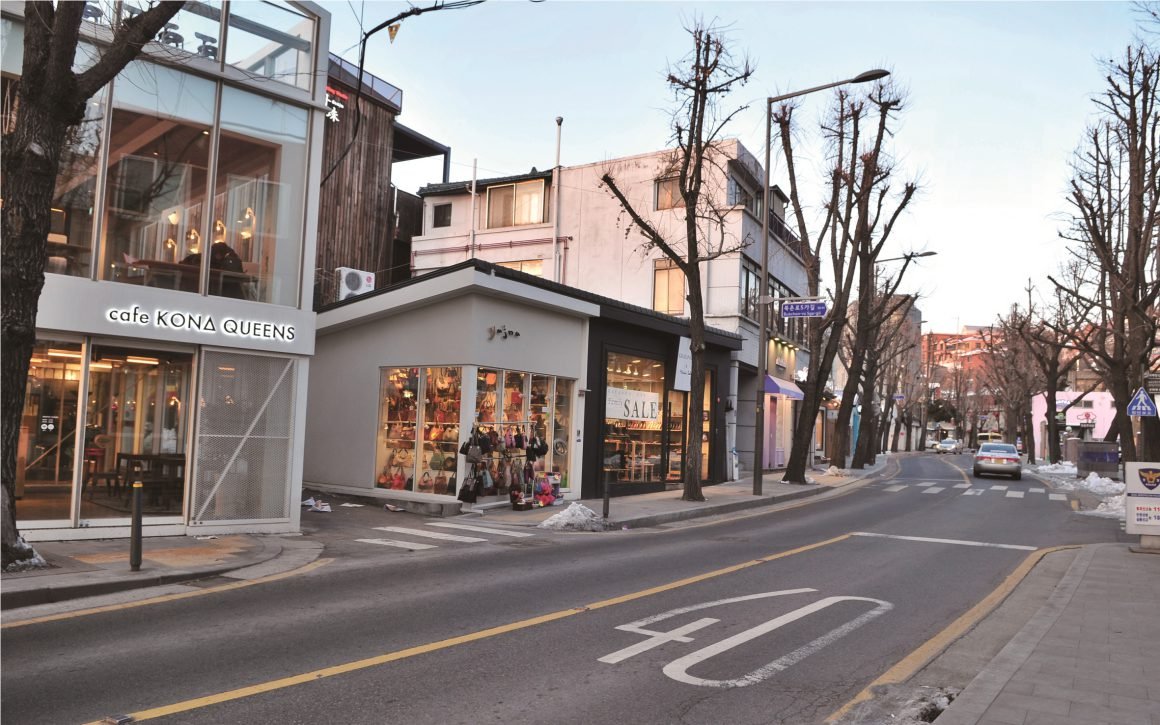
Two calm, far-from-the-madding-crowd neighborhoods that have kept a flavor that is completely lost from other parts of the city may be found if you travel north, away from the tourist traps of the Palace District. Before the Korean War, Bukchan-dong was a collection of rural villages. It is still notable for the sheer number of hanoks there, and Samcheong-hillside dong’s cafes and museums have a somewhat Southern European feel to it. Anyone interested in learning about the peculiarities of the city should pay a visit to Bukchan-jumble dong’s of old-world streets, where oddities like children’s arcade booths and comic book stores abound. You get the impression that you are experiencing the authentic Seoul, away from all the convenient conveniences of the tourist path, thanks to the overall absence of people in these areas.
Namsan
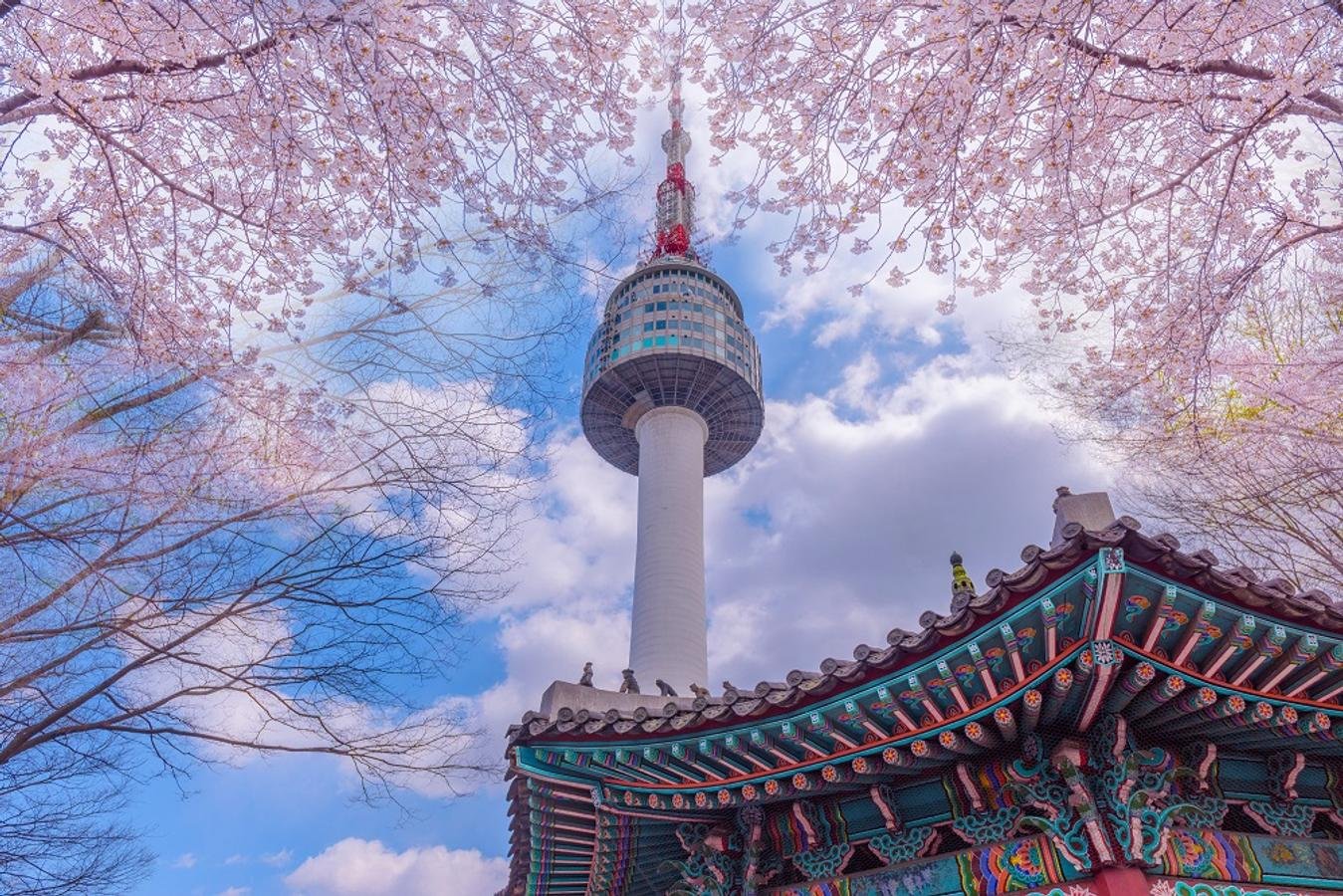
Few towns can boast a 265 m (870 ft) high mountain right in the heart of them. You can tell you are starting the trek to Namsan Mountain when the concrete gives way to alpine landscape as you travel farther south from Myeong-dong. The mountain was strewn with fire beacons that imperial forces used to relay signals in an emergency during the warlike Joseon era, making it crucial. Surprisingly, the ruins of these beacons are still visible on the hills. The more physically active tourist may choose to use the funicular, while others may decide to walk to the peak in less than an hour. The toadstool-like N Seoul Tower, which sits atop Namsan, offers breathtaking views of Seoul’s palaces from its rooftop restaurant, particularly at dusk and at night.
Hongdae
Hongdae is no exception to the general norm that areas with a large student population have vibrant nightlife. Hongdae is the hipster district of Seoul that is very much like Brick Lane or Greenwich Village. The students play as hard as they work at Hongik University, one of South Korea’s top universities. Evenings out start in the late afternoon with people crammed into karaoke rooms or sipping beer outside in corner stores, before going on to the vast array of bars and clubs close to Sangsu Station.
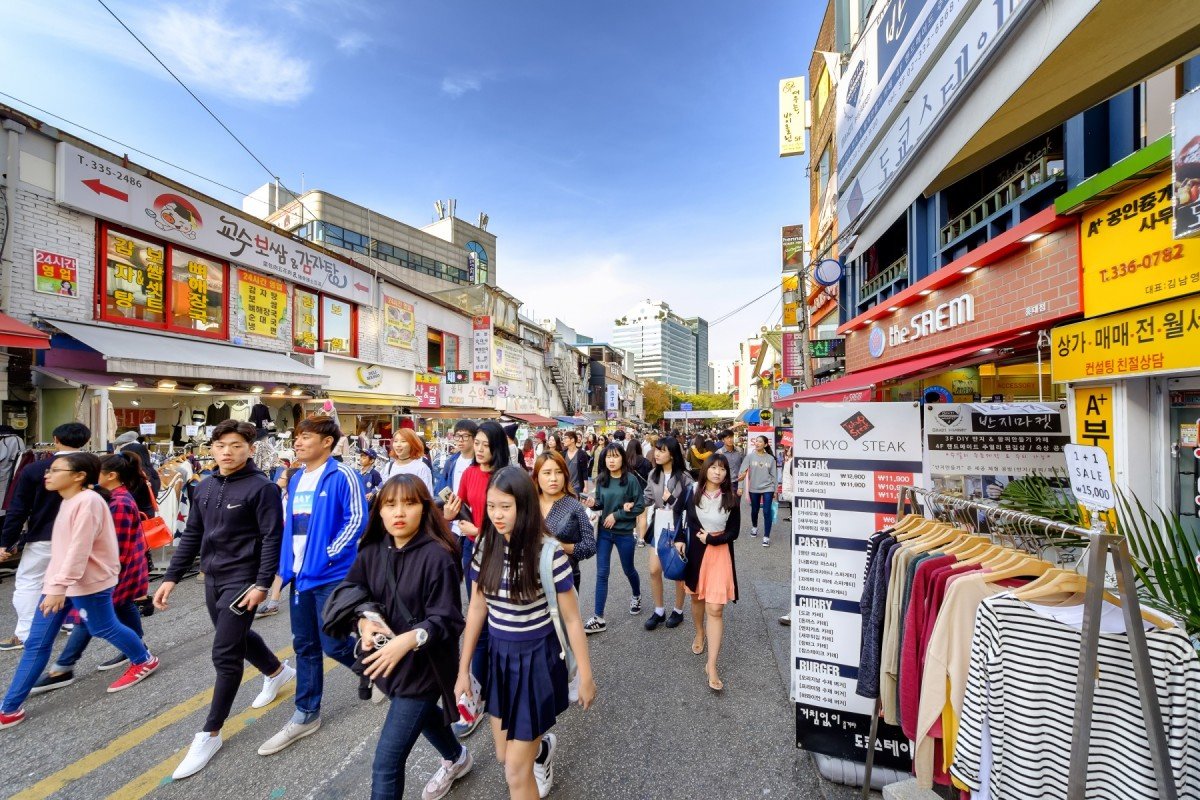
All around Hongdae are establishments called bangs (bang means “room”). Bangs are a variety of amusement lounges providing anything from board games to steam rooms to DVDs. They are unique to Seoul and common in Hongdae. Similar to a more subdued and conventional version of Hongdae, Sinchon is located to the east. The city of Edea, farther along the subway line, has several hair and fashion salons that serve the many female students who attend Edea University.
Itaewon
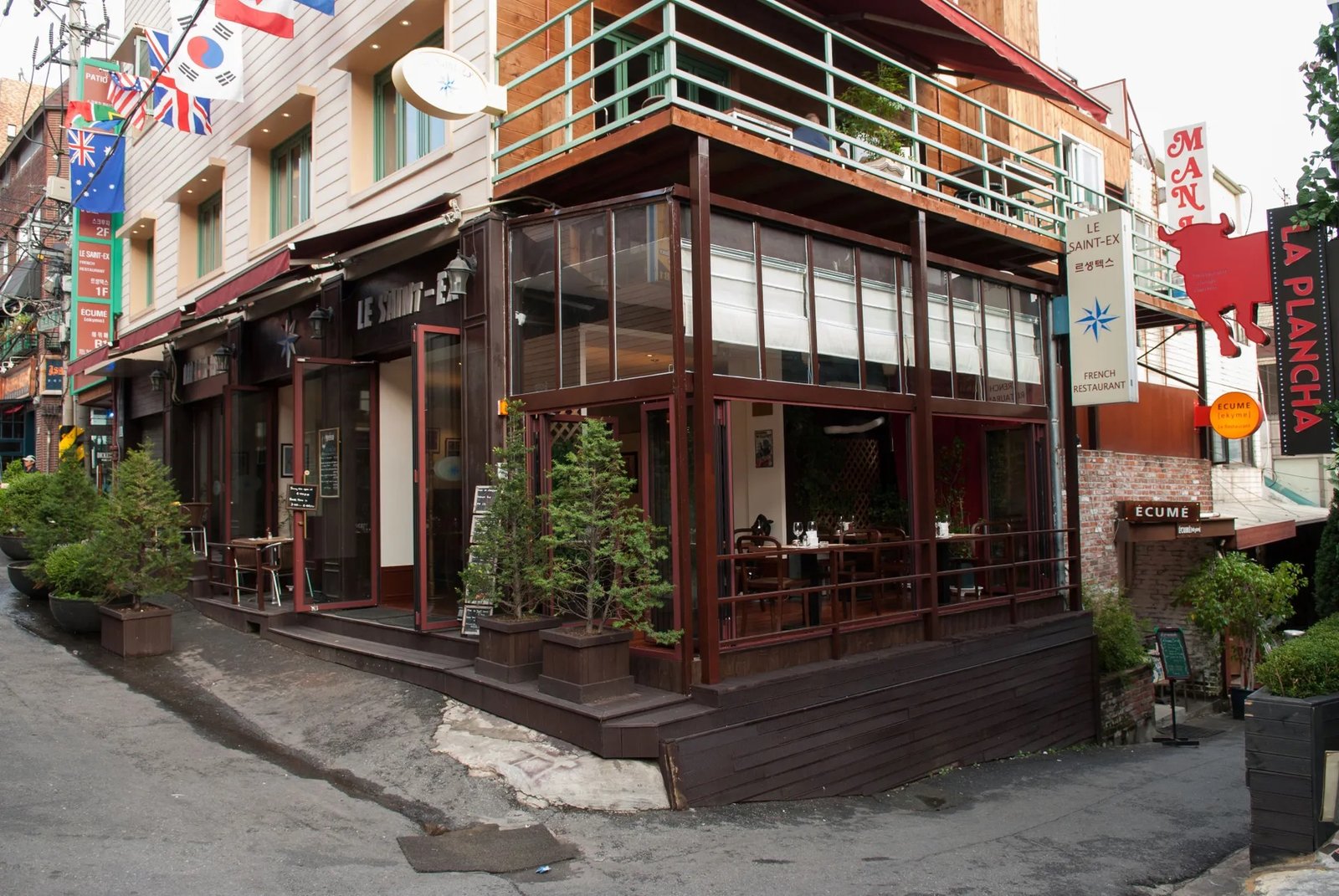
Itaewon, considered the city’s main gay quarter, is undoubtedly the most cosmopolitan and liberally inclined area of Seoul. It is home to a really international assortment of stores and eateries. A sizable US army post was established nearby during the Korean War, which is when Itaewon saw its growth. 30,000 US soldiers are now stationed in the nation, and many of them reside in this neighborhood. The “Hooker Hill” neighborhood, south of the Hamilton Hotel, is Itaewon’s “dark side,” housing several hostess bars and brothels that cater to the military presence. However, significant crackdowns in 2000 and 2004 have significantly improved the situation.
Yeouido
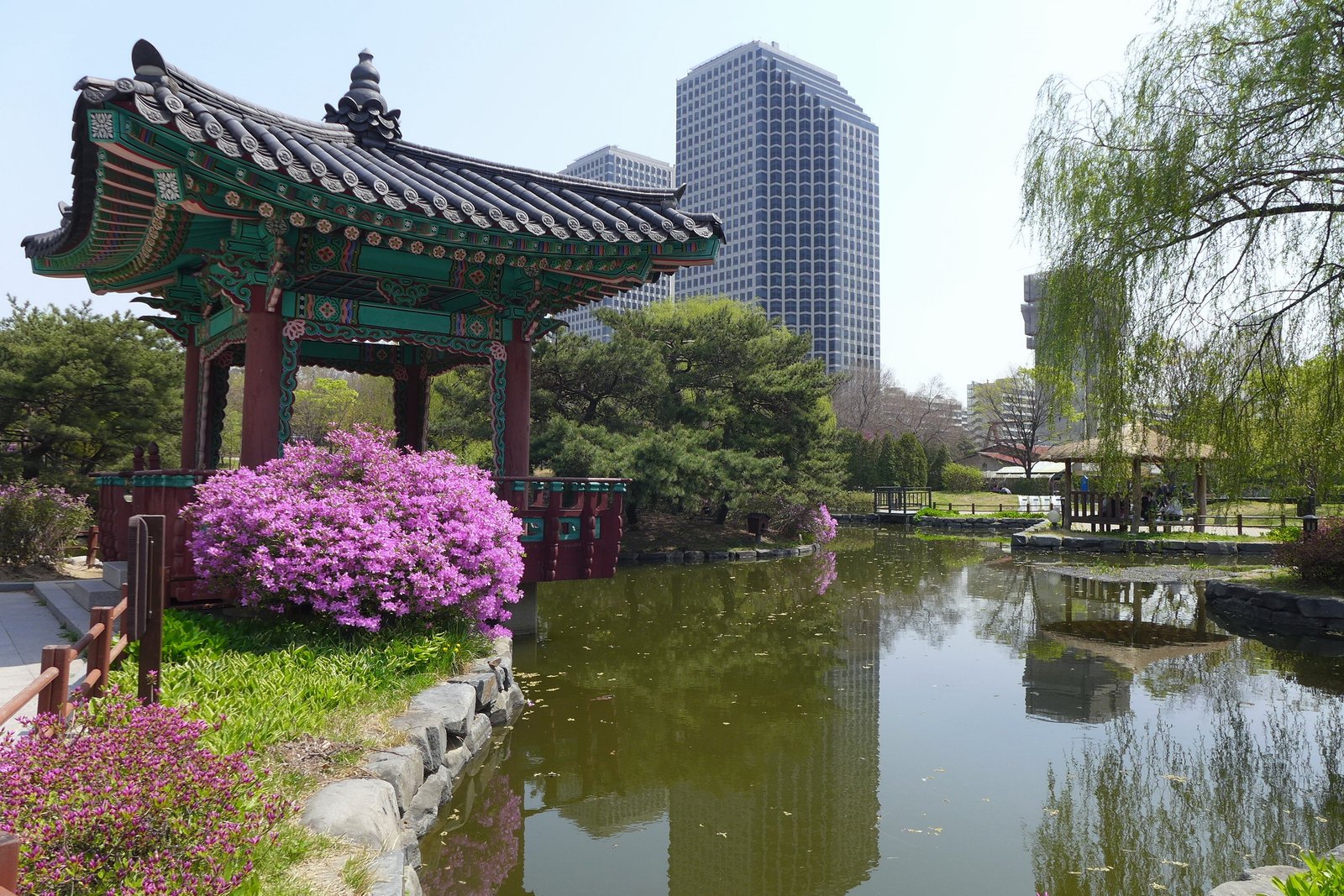
Yeouido, an island in the southern Han River, was a wasteland prior to Park Chung Hee’s administration in the 1970s. Today, it is Seoul’s commercial district, bustling with well-dressed commuters heading to workplaces and governmental structures. The magnificent 63 Building is the most prominent structure on the island and the highest building on the Korean Peninsula. Despite its enormous quantity of open space, Yeouido is also a refuge for bikers, hikers, and boaters because to its lovely riverbank walks and a seven-kilometer (4.5 mi) cycling path. A one-and-a-half-hour boat journey that departs from Cheongdam Bridge in the northwest will allow you to circle Yeouido.
Apgujeong
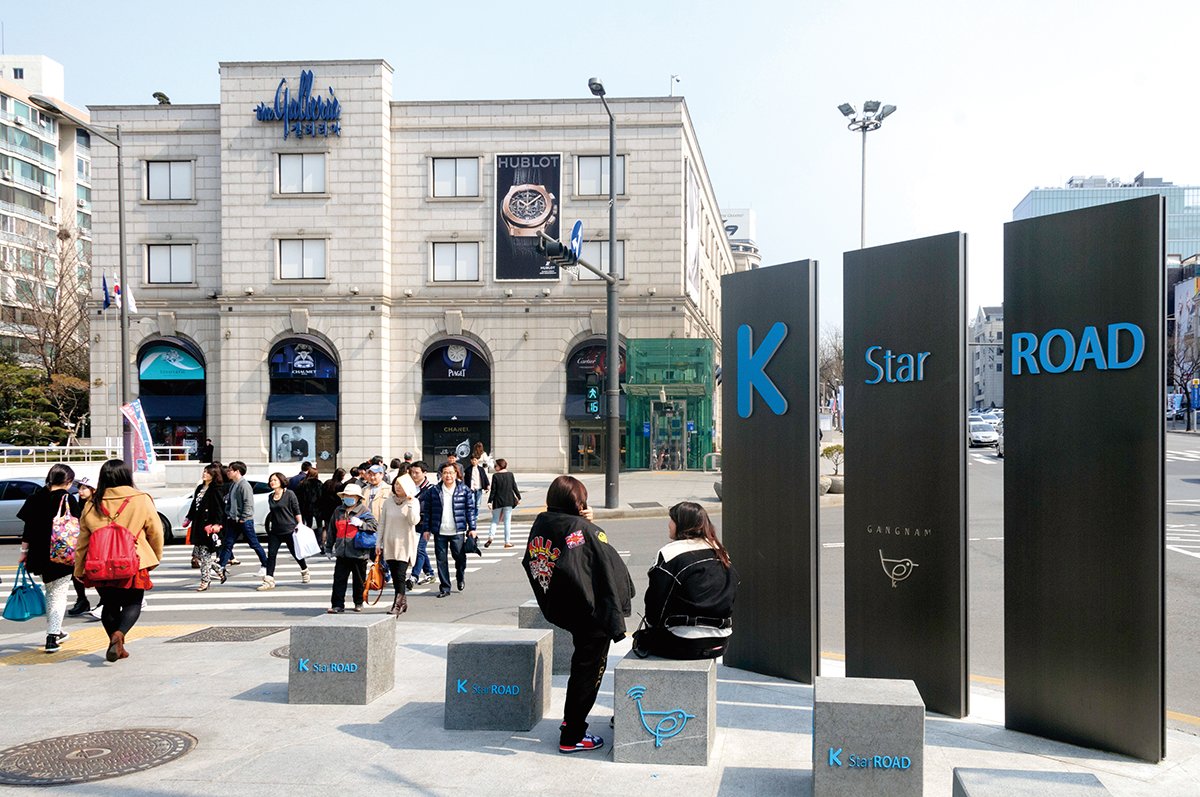
Around the green haven of Dosan Park, which is adjacent to the south bank of the Han, this area of opulent condominiums and townhomes began to develop in the 1980s. Some guests might feel a touch underdressed among these Western-brand retail boutiques, five-star restaurants, and sidewalk cafés. The major street, Agpujeong-mo, is home to a genuinely alarming amount of plastic surgery facilities and shops that well-to-do Seoulites patronize. However, Apgujeong is worth coming for a little of peace and quiet because of Cheongdam Park in the northeast and Samneung Park in the middle.